
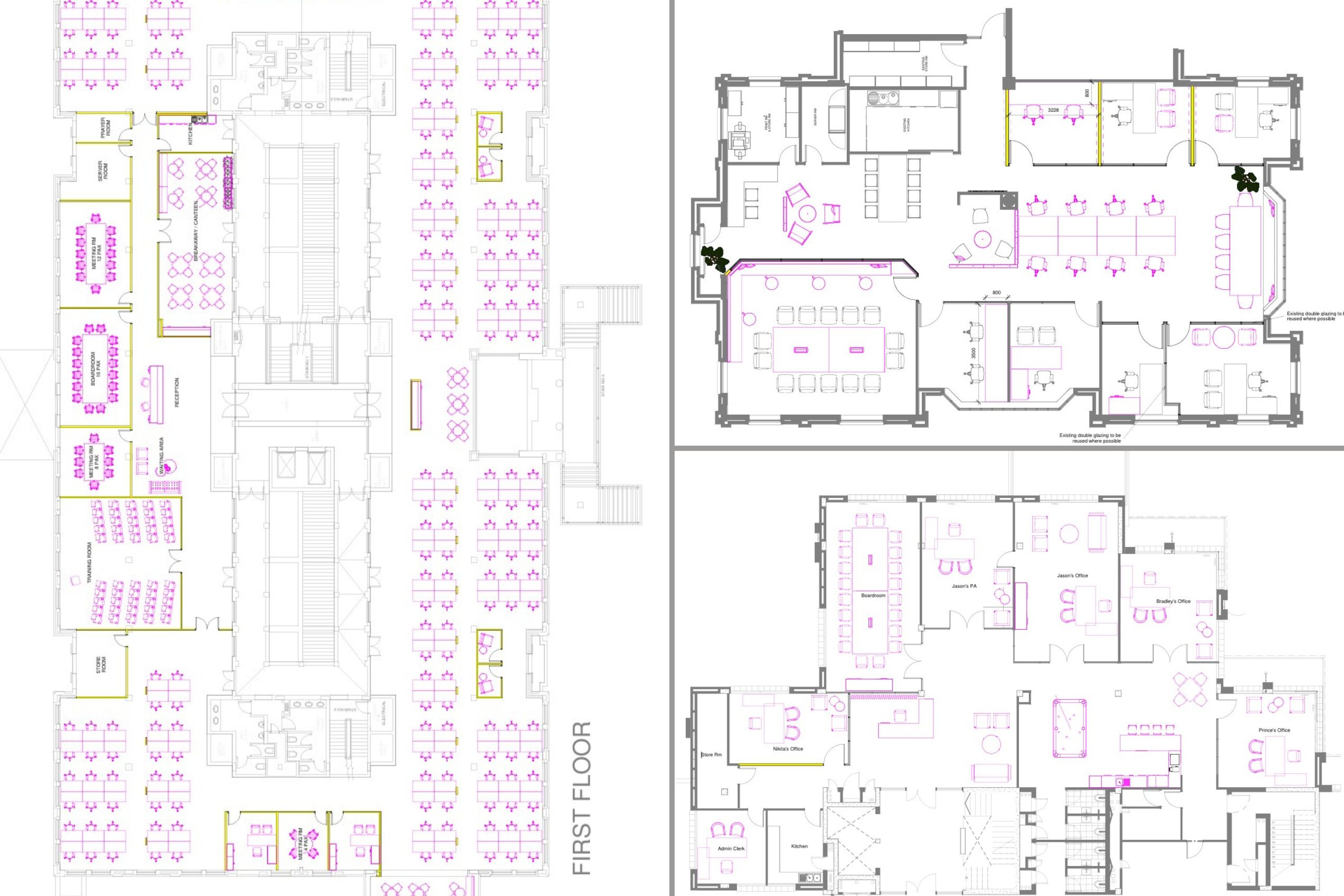
Office space is one of the largest overhead costs many South African businesses carry, yet surprisingly few companies know whether they are using the right amount of it. Some organisations lease far more space than they need, while others find themselves struggling with overcrowded workstations, insufficient meeting rooms, and a layout that no longer supports the way their teams operate. The shift towards hybrid work has only made the question more complex. Businesses across Gauteng and the rest of South Africa are rethinking how their offices function and whether traditional space allocation models still make sense. An office is no longer simply a place to fit desks. It has become a tool for collaboration, culture, client engagement, and productivity. Determining how much office space your business truly needs requires more than a rough headcount. It demands a clear understanding of your workforce, operational goals, growth plans, and how people actually use the workplace. This is where workplace strategy and space planning become invaluable. By taking a strategic approach, businesses can create offices that work harder, cost less to operate, and support future growth. Why Traditional Office Space Calculations No Longer Work For decades, businesses relied on simple formulas when determining office requirements. A certain number of square metres were allocated per employee, and the office was designed around that calculation. While straightforward, this approach often fails to reflect how modern organisations operate. Today’s workplaces are significantly more dynamic. Employees move between focused work, collaborative meetings, virtual calls, informal discussions, and project-based teamwork throughout the day. Many organisations have also adopted hybrid work arrangements, meaning not every employee is present in the office at the same time. As a result, businesses that continue using outdated space allocation models often end up paying for underutilised areas while lacking the spaces that genuinely support productivity. An office filled with empty desks but no collaborative zones is no longer an effective use of valuable commercial real estate. Workplace strategy helps organisations understand how employees work, where they spend their time, and what types of environments are required to support performance. Instead of planning for headcount alone, businesses can plan for behaviour and operational needs. A STRATEGIC WORKPLACE PLAN STARTS LONG BEFORE DESKS ARE PLACED The Real Cost of Having Too Much Office Space Many business owners assume that having additional space is a positive thing. While some flexibility is important, excessive office space comes with significant costs that often go unnoticed. Every square metre leased carries rental, utility, maintenance, cleaning, security, and furnishing expenses. If large portions of the office remain unused, those costs deliver little return on investment. Excessive space can also affect workplace culture. Teams become physically disconnected, communication becomes more difficult, and collaborative energy can diminish. Large empty areas may even create the impression that a business is downsizing or struggling, which can influence both employee morale and client perceptions. In Gauteng’s competitive commercial property market, every unnecessary square metre represents money that could potentially be invested elsewhere in the business. A strategic review of workplace requirements often reveals opportunities to optimise space while maintaining employee comfort and operational efficiency. The Hidden Risks of Having Too Little Space While excess space creates financial waste, insufficient space introduces a different set of challenges. Overcrowded offices can negatively impact productivity, concentration, and employee wellbeing. Meeting rooms become difficult to book, collaborative discussions spill into inappropriate areas, and noise levels increase significantly. Businesses experiencing rapid growth often encounter these issues unexpectedly. A layout that worked well for twenty employees may become problematic when the team expands to thirty or forty people. Without proper planning, businesses can quickly find themselves operating in an environment that restricts performance rather than enabling it. The consequences extend beyond daily frustrations. Difficulty accommodating growth can lead to expensive relocations, rushed redesigns, and operational disruptions. Strategic space planning allows organisations to anticipate growth and create flexible environments that can evolve alongside the business. THE RIGHT LAYOUT OFTEN CREATES MORE SPACE THAN A LARGER OFFICE Understanding How Your Team Actually Uses the Office One of the most valuable exercises in workplace strategy is analysing how employees use the office throughout the day. Many businesses are surprised by the results. Areas assumed to be essential often see minimal use, while certain spaces become heavily utilised bottlenecks. For example, some organisations discover that formal boardrooms remain empty for much of the week, while informal meeting spaces are constantly occupied. Others find that employees spend more time collaborating than working from dedicated desks. By understanding these usage patterns, businesses can allocate space more effectively. Rather than investing in areas based on assumptions, they can design workplaces around real operational needs. This data-driven approach helps ensure that every square metre contributes to productivity, collaboration, and business performance. Why Workplace Strategy Should Come Before Space Planning Space planning is often viewed as the starting point of an office project, but effective planning begins much earlier. Before determining where desks, meeting rooms, and collaborative areas should be located, businesses need to establish clear workplace objectives. These objectives may include improving collaboration, supporting hybrid work, enhancing client experiences, accommodating growth, or increasing operational efficiency. Workplace strategy provides the framework for these decisions. It examines how people work, how teams interact, and what the organisation hopes to achieve through its physical environment. Once these insights are established, space planning can translate strategic goals into practical layouts. This ensures the office is designed with purpose rather than simply filling available floor space. At Tridyum, workplace strategy and space planning are closely connected because successful workplaces require both vision and execution. A South African Perspective on Office Space Planning South African businesses face challenges that international workplace advice often overlooks. Economic uncertainty encourages many organisations to control operational costs carefully. Commercial rental rates continue to represent a substantial business expense, particularly in major business hubs such as Johannesburg, Sandton, Pretoria, Durban, and Cape Town. Load-shedding infrastructure planning, technology integration, employee commuting patterns, and changing
The Future of Office Furniture: Designing for Flexibility and Performance
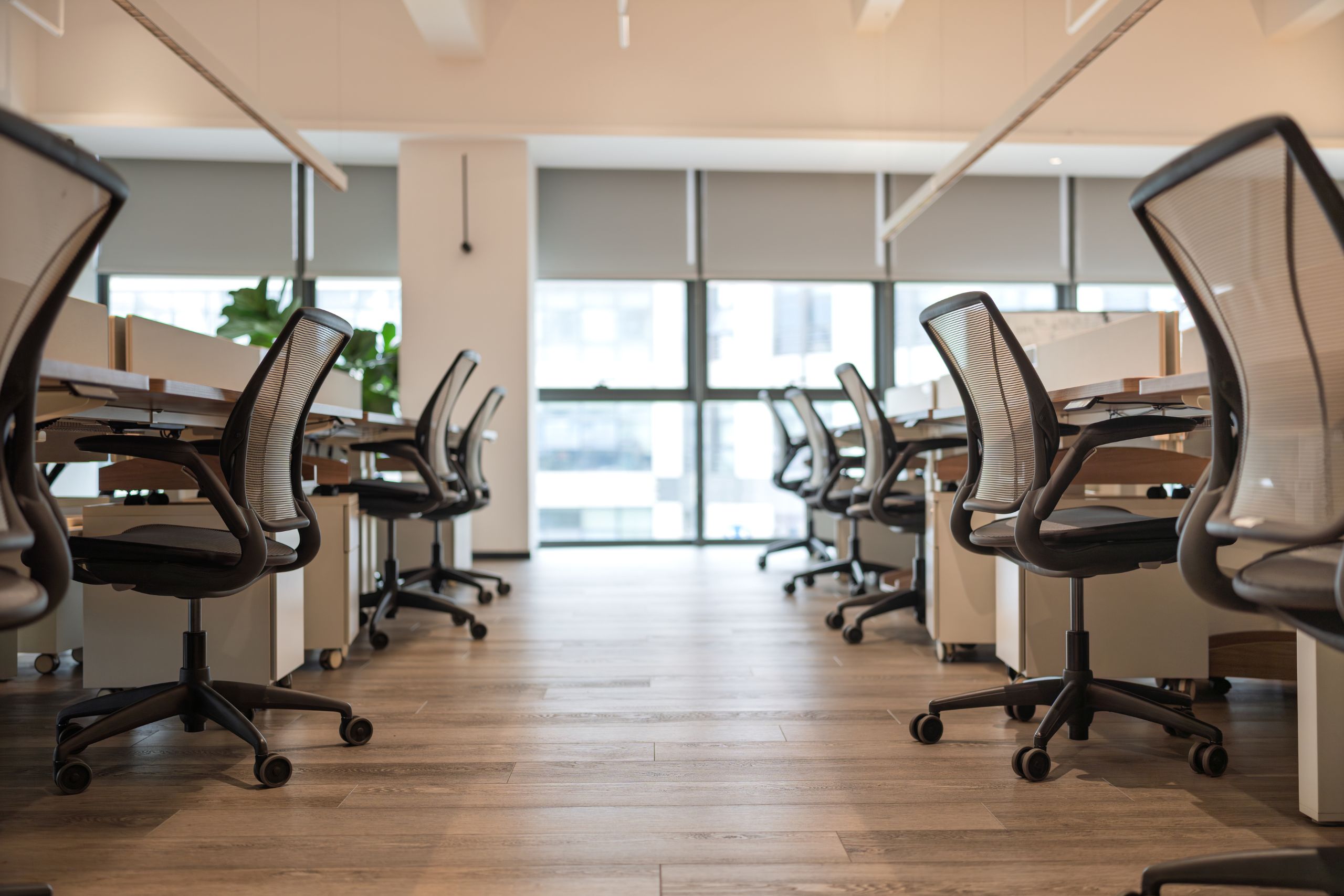
Office furniture has evolved far beyond desks and chairs. In modern workplaces, furniture plays a strategic role in shaping productivity, collaboration, movement, and overall employee experience. It influences how people interact within a space, how effectively teams perform, and how adaptable an office remains as business needs change. As workplaces continue to evolve, furniture is no longer selected purely for appearance or practicality. Businesses are investing in solutions that support flexibility, wellbeing, and performance while reinforcing workplace culture and identity. The shift toward hybrid work, experience-driven offices, and employee-centred design has transformed the way organisations approach furniture selection. The workplace is now expected to accommodate multiple work styles, encourage movement, and create environments that support both focus and collaboration. This is why modern office furniture in South Africa has become a central part of workplace strategy. Furniture is no longer an afterthought within commercial interiors. It is one of the most important tools in shaping how a space functions every day. Furniture as Part of Workplace Strategy The most effective workplaces are designed around how people actually work. Furniture plays a key role in supporting these behaviours because it directly affects comfort, movement, communication, and flexibility. Traditional office environments were often built around fixed layouts and assigned seating. Desks were arranged in rows, boardrooms followed rigid structures, and breakout spaces were limited. Modern workplaces require a far more adaptable approach. Today, employees move between different types of work throughout the day. Focused tasks, collaborative sessions, virtual meetings, informal discussions, and creative workshops all require different environments. Furniture must support these transitions seamlessly. This is why businesses are increasingly investing in flexible workplace furniture that allows spaces to adapt easily without compromising functionality or aesthetics. DISCOVER FURNITURE SOLUTIONS BUILT FOR MODERN WORKPLACES The Shift Towards Flexible Work Environments Hybrid work has accelerated the demand for flexibility within commercial interiors. Offices are no longer occupied in the same way every day, which means spaces must perform differently depending on usage patterns. Furniture has become essential in supporting this flexibility. Modular seating, movable tables, adaptable workstations, and collaborative furniture systems allow businesses to reconfigure spaces quickly and efficiently. This adaptability creates workplaces that feel more dynamic and responsive. Teams can gather for collaboration when needed and transition into focused environments without major spatial changes. Flexible office furniture also allows businesses to maximise the value of their space. Instead of designing static environments that serve a single purpose, organisations can create multifunctional areas that evolve throughout the day. This approach supports long-term workplace agility and ensures that offices remain relevant as business needs continue to change. SMART SPACE PLANNING CREATES MORE ADAPTABLE OFFICES Ergonomics and Employee Wellbeing Employee wellbeing has become one of the most important considerations in workplace design. Businesses increasingly understand that comfort and physical support directly influence productivity, engagement, and overall job satisfaction. Ergonomic office furniture is central to this conversation. Poor seating, incorrect desk heights, and uncomfortable workstations contribute to physical strain, fatigue, and long-term health issues. Ergonomic solutions are designed to support posture, movement, and comfort throughout the workday. Adjustable chairs, sit-stand desks, monitor positioning, and supportive accessories all contribute to healthier work environments. The benefits extend beyond physical wellbeing. Employees who feel comfortable within their environment are more focused, productive, and engaged. Workplace satisfaction improves because the environment actively supports their daily experience. As organisations compete for talent and prioritise employee retention, ergonomic furniture is becoming a key investment rather than a luxury. Designing for Collaboration and Connection Modern workplaces place significant emphasis on collaboration. Furniture plays a major role in encouraging interaction and creating spaces where teams can connect naturally. Collaborative furniture differs from traditional office setups because it supports flexibility, informality, and movement. Lounge seating, modular arrangements, communal tables, and soft breakout spaces create environments that feel approachable and engaging. These spaces encourage spontaneous conversation and idea sharing, which are often difficult to achieve in rigid office layouts. Employees are more likely to engage when the environment feels comfortable and accessible. Furniture also helps define collaborative zones without relying on walls or partitions. The arrangement, scale, and style of seating can shape behaviour and establish different workplace experiences within the same environment. This balance between structure and openness is essential in contemporary workplace design. Furniture and Brand Identity Furniture contributes significantly to how a workplace reflects brand identity and company culture. The colours, materials, shapes, and overall style of furniture all influence how a space is perceived. A corporate environment may favour clean lines, structured layouts, and refined finishes that communicate professionalism and precision. Creative workplaces may introduce softer forms, varied textures, and more informal seating arrangements to encourage energy and innovation. Furniture becomes part of the overall design narrative. It helps communicate the personality of the organisation and reinforces how employees and visitors experience the space. This is particularly important in client-facing environments such as reception areas, boardrooms, and collaborative lounges where furniture contributes directly to first impressions. When selected strategically, furniture strengthens workplace identity while supporting functionality and performance. The Importance of Durability and Long-Term Value Furniture represents a significant investment within commercial interiors. While aesthetics and comfort are important, durability and long-term value are equally critical. High-quality furniture is designed to withstand daily use while maintaining its appearance and performance over time. Poor-quality solutions may appear cost-effective initially but often result in higher replacement and maintenance costs in the long term. Businesses are increasingly prioritising furniture that balances durability with design quality. Materials, craftsmanship, and functionality all contribute to overall value. Commercial environments experience constant movement, interaction, and wear. Furniture must perform consistently within these conditions while continuing to support the overall aesthetic of the workplace. This long-term perspective aligns with broader workplace strategies focused on sustainability, efficiency, and investment value. Sustainability and Responsible Furniture Design Sustainability continues to influence commercial interior design across all levels, including furniture selection. Businesses are becoming more conscious of how materials, manufacturing processes, and product lifecycles impact the environment.
Why Acoustic Design Matters in Modern Offices
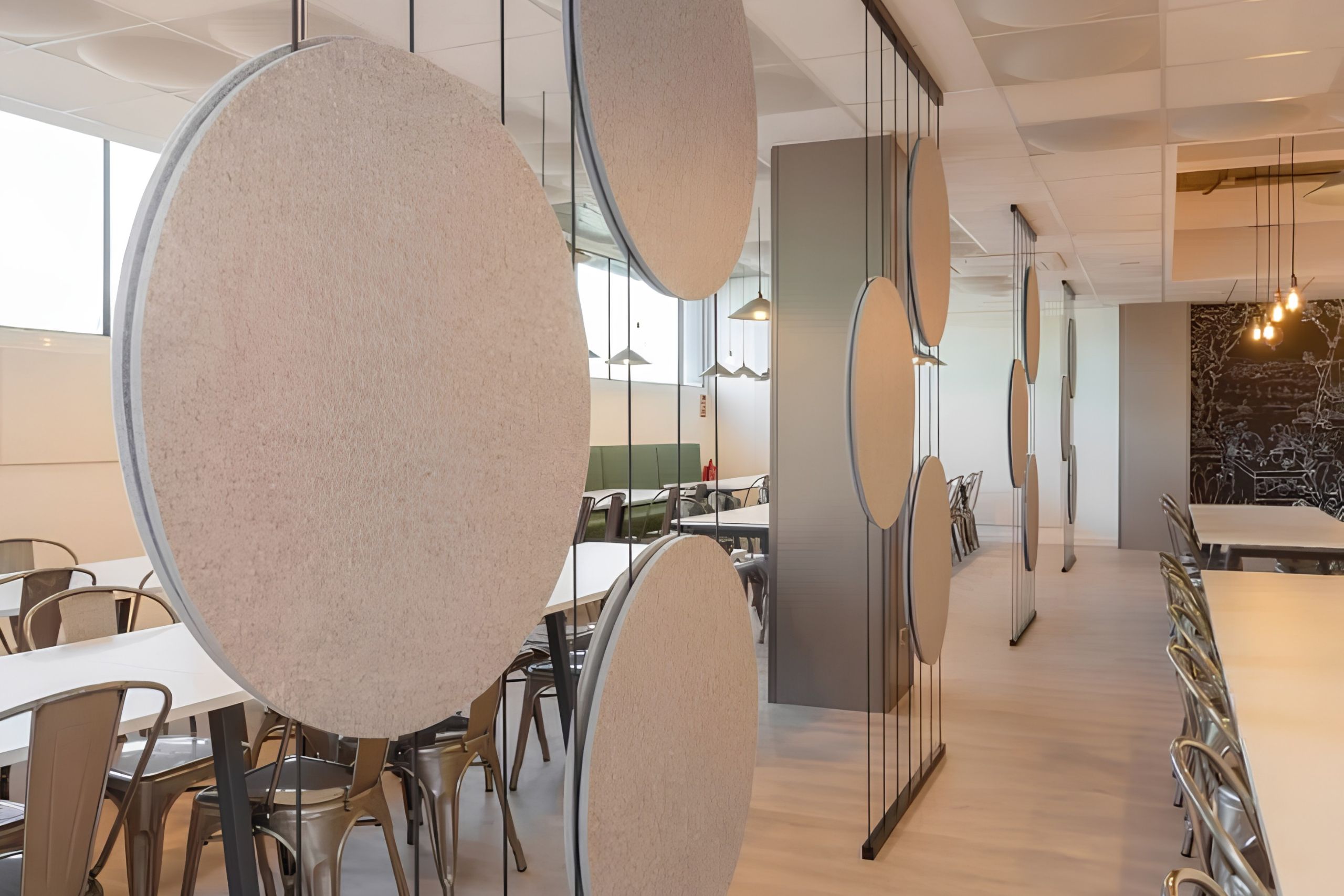
The modern workplace has evolved significantly over the past decade. Offices are no longer designed purely for functionality or capacity. Today, businesses are placing greater emphasis on employee experience, workplace wellbeing, flexibility, and performance. Design has become a strategic tool that shapes how people work, collaborate, and connect. While visual aesthetics often receive the most attention in commercial interiors, one of the most important elements of workplace performance is frequently overlooked. Sound. Acoustic design plays a critical role in how a space functions every day. It influences concentration, communication, comfort, and stress levels. A visually impressive office may still fail if noise levels constantly disrupt productivity and create frustration within teams. In modern office environments, particularly open-plan spaces, managing sound has become essential. Acoustic office design in South Africa is increasingly recognised as a key component of successful workplace strategy because businesses are beginning to understand that performance is not only shaped by what employees see, but also by what they hear. The Shift Towards Open Plan Workplaces Open-plan offices were introduced to encourage collaboration, flexibility, and more efficient use of space. They removed physical barriers between teams and created more dynamic environments that supported communication and movement. While open-plan layouts offer many advantages, they also introduced a new challenge. Noise. Conversations, phone calls, meetings, movement, and shared activity all contribute to sound levels within the workplace. Without proper acoustic planning, these sounds overlap and create constant distraction. Employees struggle to focus, private conversations become difficult, and stress levels increase over time. The issue is not necessarily volume alone. It is the lack of control over sound within the environment. Even moderate background noise can affect concentration when it becomes continuous and unpredictable. This is why acoustic solutions for offices are becoming increasingly important in workplace design. Businesses are recognising that productivity and wellbeing depend on creating balanced environments where collaboration and focus can coexist. How Noise Impacts Productivity Productivity is directly connected to concentration. When employees are constantly interrupted by surrounding noise, their ability to focus decreases significantly. Research has shown that it takes time for the brain to regain concentration after distraction. In busy office environments, repeated interruptions reduce efficiency and increase mental fatigue throughout the day. Phone conversations are one of the biggest sources of workplace distraction because the brain naturally attempts to process spoken language. Even when employees try to ignore nearby conversations, their attention is partially diverted. Poor acoustic environments also contribute to decision fatigue. Employees use energy trying to filter out noise rather than focusing fully on their work. Over time, this affects both performance and wellbeing. Acoustic office design helps minimise these disruptions by controlling how sound travels through a space. It creates environments that support different types of work while reducing unnecessary distraction. Designing for Different Work Modes Modern offices must support multiple work styles throughout the day. Employees move between focused tasks, collaborative discussions, virtual meetings, and informal interaction. Each activity requires a different acoustic environment. A successful workplace cannot rely on a single acoustic condition across the entire office. Instead, spaces should be designed with different levels of sound control depending on their function. Collaborative zones may allow for more energy and conversation, while focus areas require quieter conditions that support concentration. Meeting rooms need speech clarity and privacy, particularly in hybrid work environments where virtual communication is constant. Acoustic zoning helps define these experiences within the workplace. Through layout planning, materials, and sound management strategies, offices can support both interaction and individual productivity without conflict. This approach creates more balanced and adaptable environments that align with how teams actually work. The Relationship Between Acoustics and Employee Wellbeing Noise affects more than productivity. It also impacts emotional wellbeing and stress levels. Continuous exposure to distracting environments increases cognitive load and contributes to mental fatigue. Employees working in noisy spaces often experience frustration, irritability, and reduced job satisfaction. A workplace that feels acoustically uncomfortable can also create social tension. Teams may become hesitant to collaborate because they fear disturbing others, while employees taking calls may feel self-conscious in open environments. Acoustic comfort creates a sense of calm and control within the workplace. Spaces feel more balanced, focused, and supportive. Employees are able to engage more effectively without constantly competing with background noise. As businesses place greater emphasis on employee experience, acoustics are becoming an essential part of workplace wellbeing strategies. Materials That Improve Office Acoustics Acoustic performance is heavily influenced by the materials used within a space. Hard surfaces such as concrete, glass, and exposed flooring reflect sound, increasing reverberation and echo. Soft and textured materials absorb sound, helping reduce noise levels and improve clarity. This is why acoustic design is closely connected to interior finishes and detailing. Carpets help absorb foot traffic and movement noise. Upholstered furniture softens sound within collaborative spaces. Acoustic wall panels reduce reflection and improve speech clarity. Ceiling treatments help control reverberation in larger open areas. Modern acoustic solutions are no longer purely functional. They are integrated into the design language of the space, contributing visually as well as technically. Acoustic panels can become feature elements. Timber slats, textured fabrics, and layered finishes create both warmth and sound absorption simultaneously. This integration allows businesses to maintain strong aesthetics while improving workplace performance. OFFICE DESIGN THAT SUPPORTS YOU Acoustic Ceilings and Spatial Performance Ceilings play a major role in managing sound within commercial interiors. In open-plan environments, untreated ceilings allow noise to travel freely across the workspace. Acoustic ceiling systems help control reverberation and reduce overall sound reflection. These systems may include suspended baffles, acoustic tiles, timber slat ceilings, or integrated bulkheads. Beyond performance, ceiling treatments also contribute architecturally to the space. They introduce rhythm, layering, and visual structure that enhance the overall design. Lighting integration becomes particularly important in these areas. Acoustic ceilings often work alongside lighting systems to create cohesive environments where both sound and illumination are carefully considered. This combination supports the broader workplace experience by improving
Designing for First Impressions: How Reception Areas Shape Brand Perception
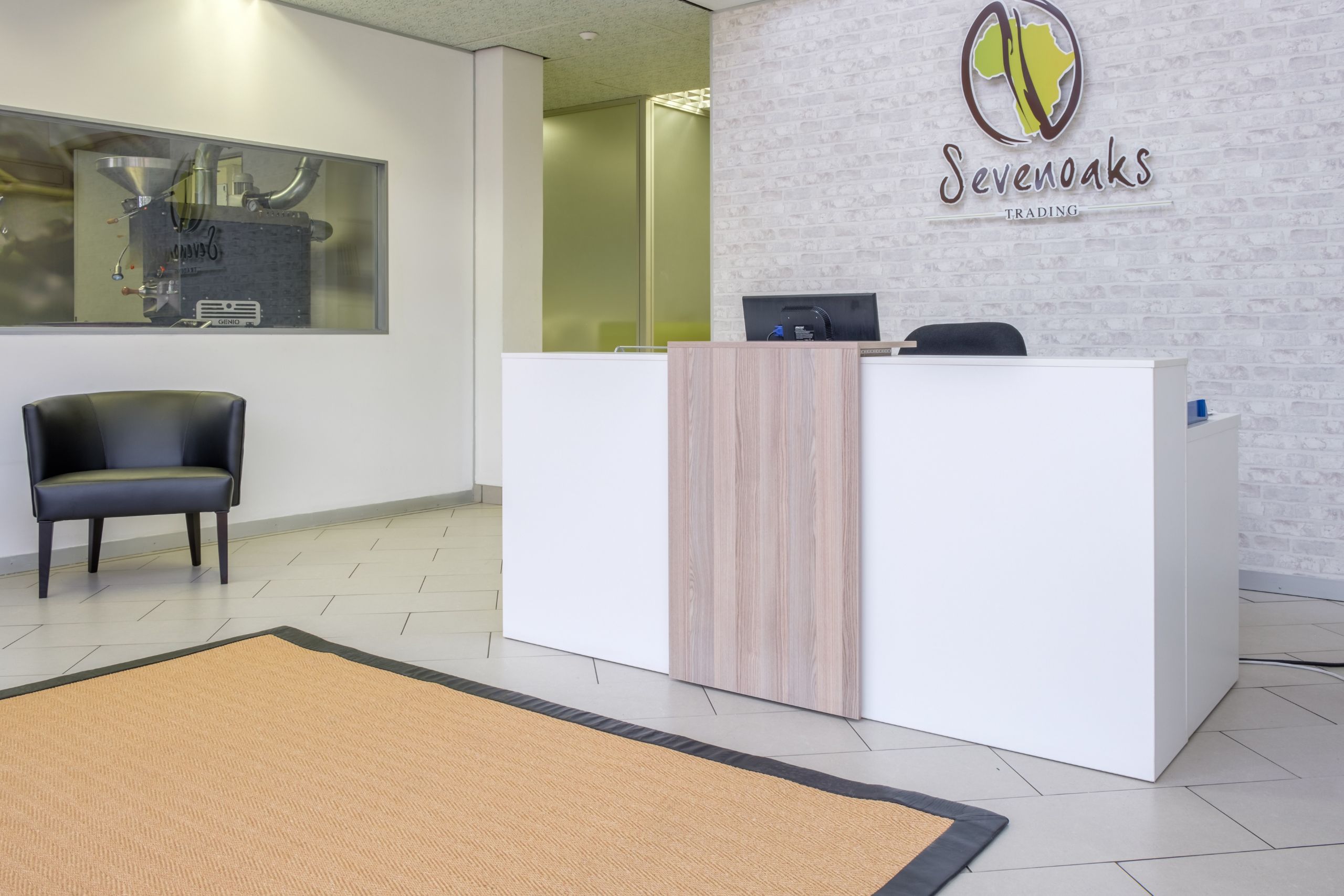
The moment someone enters a workspace, a perception is formed. It happens quickly and often without conscious thought. The reception area is where that perception begins, acting as the physical introduction to a business. It sets expectations, communicates identity, and establishes credibility before a single word is spoken. Reception is not simply a functional requirement. It is not just a desk positioned near an entrance. It is a carefully considered environment that reflects how a business operates, what it values, and how it wants to be experienced. In a competitive commercial landscape, this first impression plays a critical role in shaping how clients, partners, and visitors perceive an organisation. Office reception design in South Africa is evolving in response to this understanding. Businesses are recognising that their front-of-house space is an extension of their brand. It is an opportunity to create a meaningful and lasting impression that supports both reputation and relationships. Reception as a Brand Experience A reception area introduces a business in a way that no digital platform can replicate. It is tangible, immersive, and immediate. The space communicates tone, professionalism, and intent through design rather than words. Commercial interior branding begins the moment a visitor steps inside. The scale of the space, the positioning of the reception desk, the choice of materials, and the quality of finishes all contribute to the narrative. These elements work together to create an experience that reflects the organisation’s identity. A strong reception design aligns with the brand at every level. A corporate environment may emphasise structure, clarity, and refinement. A creative business may introduce more texture, variation, and informality. The key is consistency. The space should feel like a natural extension of the brand rather than a disconnected element. When reception is approached as an experience, it becomes a strategic tool. It shapes perception, builds trust, and sets the tone for every interaction that follows. Spatial Hierarchy and First Impressions Spatial hierarchy is one of the most important aspects of reception design. It determines how a visitor understands and navigates the space. It guides movement and establishes focal points that create clarity and confidence. A well-designed reception area immediately communicates where to go and what to expect. The reception desk should be clearly visible without overwhelming the space. Circulation paths should be intuitive, allowing visitors to move naturally from entry to interaction. Height, scale, and proportion all contribute to this hierarchy. Double-volume spaces create a sense of openness and presence. Lower ceilings can introduce intimacy and focus. The relationship between floor, walls, and ceiling defines how the space is experienced. When spatial hierarchy is considered carefully, the reception area feels organised and intentional. Visitors are not left searching for direction. Instead, they move through the space with ease, reinforcing a sense of professionalism and control. FURNITURE DESIGN Material Selection and Perceived Quality Materials play a powerful role in shaping perception. The textures, finishes, and combinations used in a reception area communicate quality, durability, and attention to detail. Commercial interior branding is often expressed through material selection. Timber introduces warmth and approachability. Stone conveys permanence and strength. Metal adds precision and modernity. Each material carries an association that influences how the space is interpreted. The way materials are detailed is equally important. Clean junctions, consistent finishes, and refined edges contribute to a sense of craftsmanship. Poorly executed detailing, on the other hand, can undermine even the most ambitious design. In office reception design in South Africa, there is a growing emphasis on material layering. Combining textures and tones creates depth and visual interest without overwhelming the space. This approach allows businesses to express identity while maintaining a professional and cohesive aesthetic. Material quality also affects longevity. Reception areas experience high levels of traffic and use. Durable finishes ensure that the space maintains its integrity over time, protecting both appearance and investment. DESIGN Lighting as a Tool for Atmosphere and Focus Lighting is one of the most influential elements in reception design. It shapes mood, highlights key features, and enhances the overall experience of the space. Natural light is particularly valuable. It creates a sense of openness and wellbeing, making the space feel more inviting. Where natural light is limited, artificial lighting must be carefully considered to achieve a similar effect. Layered lighting strategies are essential. Ambient lighting provides overall illumination, while task lighting ensures functionality at the reception desk. Accent lighting highlights feature walls, signage, and architectural details, drawing attention to key elements. The integration of lighting within bulkheads, joinery, and wall features adds a level of refinement that elevates the space. It creates depth and contrast, reinforcing the quality of materials and finishes. Lighting also influences perception of time and comfort. A well-lit reception area feels welcoming and professional, encouraging visitors to engage with the space rather than pass through it quickly. Reception Desks as Focal Points The reception desk is often the central feature of the space. It is where interaction takes place and where first impressions are reinforced through direct engagement. Designing a reception desk requires careful consideration of proportion, materiality, and functionality. It should be visually prominent without dominating the space. It should align with the overall design language while maintaining its own identity as a focal point. Height and accessibility are important factors. The desk must accommodate both staff and visitors comfortably, supporting efficient interaction. Storage, technology integration, and workflow should be seamlessly incorporated into the design. A well-designed reception desk balances aesthetics and function. It becomes a statement piece that reflects the organisation’s brand while supporting daily operations. SPACE PLANNING Reinforcing Trust and Credibility Through Design Trust is built through consistency and clarity. When a reception area is well designed, it communicates that the organisation is professional, organised, and detail-oriented. Visitors interpret the quality of the space as an indicator of the quality of the business. Clean lines, precise detailing, and cohesive design signal reliability and competence. Disjointed layouts or poorly executed finishes can create doubt, even if the
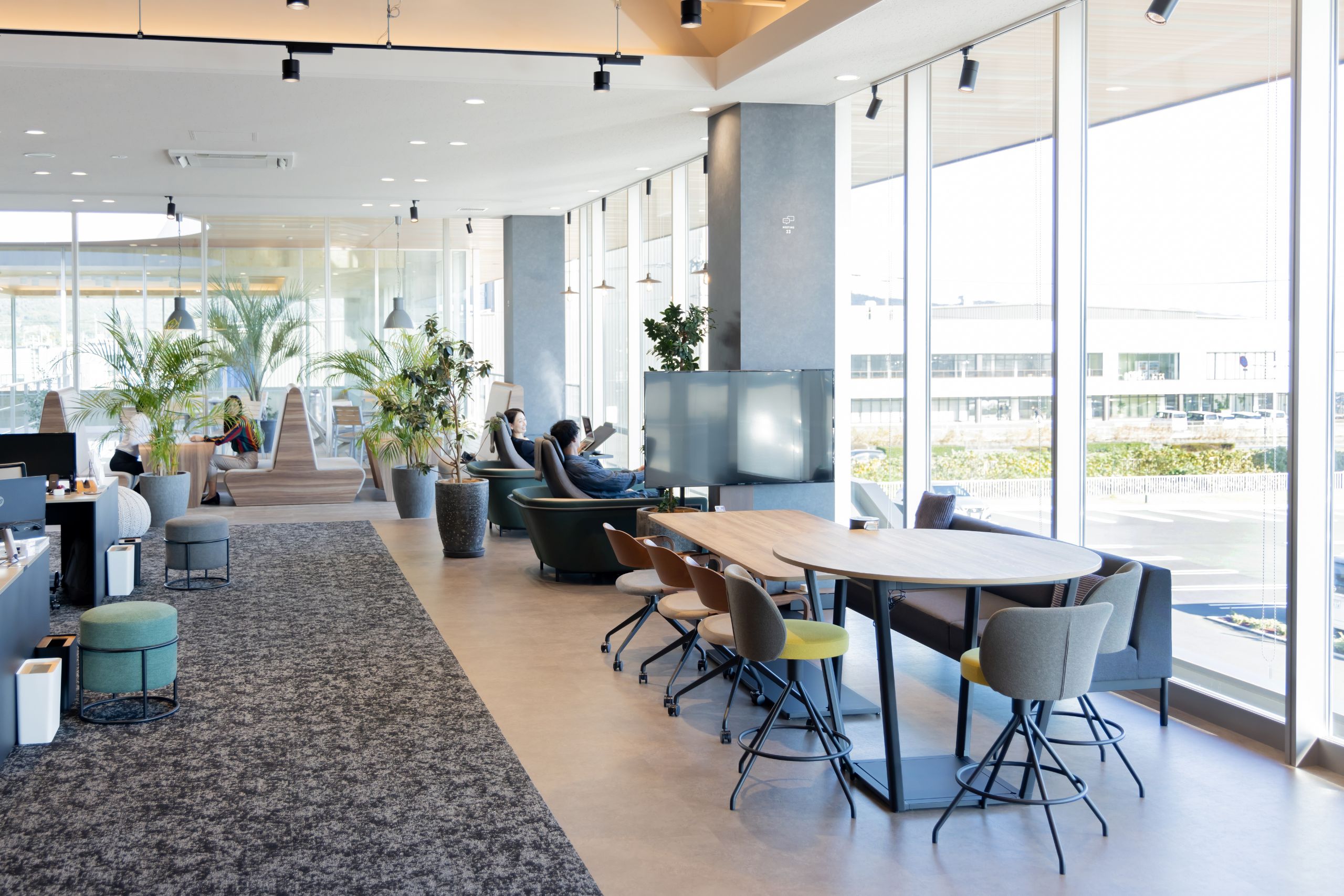
The Role of Lighting in Commercial Interiors: More Than Just Visibility
Lighting is often treated as a functional requirement in commercial interiors. It is installed to ensure visibility, meet compliance standards, and support basic tasks. While these functions are essential, they represent only a fraction of what lighting contributes to a workspace. In reality, lighting is one of the most powerful tools in shaping how a space performs. It influences mood, productivity, perception, and behaviour. It defines how materials are experienced, how spaces are understood, and how people interact within an environment. When approached strategically, lighting becomes a performance driver rather than a background element. It transforms commercial interiors from static environments into dynamic, responsive spaces that support both people and business objectives. Lighting as a Core Element of Workplace Strategy Modern workplace design extends beyond layout and furniture. It considers the full sensory experience of the environment, and lighting plays a central role in that experience. Lighting affects how employees feel throughout the day. It can energise, calm, focus, or distract depending on how it is designed and applied. Poor lighting leads to fatigue, discomfort, and reduced concentration. Well-considered lighting supports alertness, enhances clarity, and improves overall wellbeing. The World Green Building Council highlights the importance of indoor environmental quality, including lighting, in improving workplace performance. This reinforces the idea that lighting is directly linked to productivity and employee satisfaction. In commercial interiors, lighting should be treated as a strategic component from the earliest stages of design. It must align with how the space will be used, the type of work being performed, and the experience the organisation wants to create. WORKPLACE STRATEGY The Impact of Natural Light on Productivity and Wellbeing Natural light is one of the most valuable resources in any workspace. It introduces a dynamic quality that artificial lighting cannot fully replicate. The intensity and direction of daylight change throughout the day, creating variation and connection to the external environment. Exposure to natural light has been shown to improve mood, regulate circadian rhythms, and increase productivity. Employees working in environments with access to daylight often report higher levels of satisfaction and engagement. In commercial interior design, maximising natural light requires careful spatial planning. Workstations should be positioned to benefit from daylight without causing glare or discomfort. Glass partitions and open layouts can allow light to penetrate deeper into the space. The challenge lies in balancing natural light with control. Excessive brightness or direct sunlight can create visual discomfort and reduce usability. Shading devices, blinds, and glazing treatments help regulate light levels while maintaining connection to the outside. When integrated effectively, natural light enhances both the functional and emotional quality of a workspace. It creates a sense of openness and energy that supports daily performance. Artificial Lighting as a Layered System Artificial lighting provides consistency and control, ensuring that a workspace remains functional regardless of external conditions. However, not all artificial lighting is equal. The way it is designed and layered determines how effective it will be. A successful lighting strategy combines different types of lighting to create depth and flexibility. Ambient lighting establishes overall illumination, ensuring that the space is evenly lit. Task lighting supports specific activities, such as reading, writing, or working on a computer. Accent lighting highlights architectural features, materials, and focal points. Layering these elements creates a balanced environment where light is distributed appropriately. It prevents harsh contrasts and reduces eye strain. It also allows the space to adapt to different functions throughout the day. In modern commercial interiors, lighting is often integrated into architectural elements. Bulkheads, ceilings, and joinery can incorporate linear lighting, concealed fixtures, and recessed details. This approach enhances both aesthetics and performance, creating a cohesive and refined environment. DESIGN Lighting and Spatial Definition Lighting plays a critical role in defining how space is perceived. It can guide movement, emphasise key areas, and create a sense of hierarchy within an environment. In open-plan offices, lighting can be used to differentiate zones without the need for physical barriers. Brighter lighting may highlight collaborative areas, while softer lighting can define quiet zones. Circulation paths can be subtly indicated through linear lighting or directional fixtures. This approach allows designers to shape behaviour through light. Employees are naturally drawn to well-lit areas and can intuitively understand how different spaces are intended to be used. Lighting also influences scale and proportion. Uplighting can make ceilings appear higher, creating a sense of openness. Downlighting can create intimacy and focus. The interplay between light and shadow adds depth, making the space feel more dynamic and engaging. When used strategically, lighting becomes an architectural tool that enhances spatial clarity and experience. Mood, Atmosphere, and Emotional Response The atmosphere of a workspace is closely tied to lighting. Colour temperature, intensity, and distribution all contribute to how a space feels. Cooler light temperatures tend to promote alertness and concentration, making them suitable for workstations and task-oriented areas. Warmer tones create a more relaxed and welcoming environment, often used in reception areas, lounges, and breakout spaces. The ability to adjust lighting levels throughout the day adds another layer of flexibility. Dimmable systems allow spaces to transition from bright and energetic during working hours to softer and more relaxed during informal gatherings or after-hours use. Lighting can also reinforce brand identity. A corporate environment may favour clean, neutral lighting that emphasises clarity and precision. A more creative space may introduce variation and contrast to create visual interest. These decisions influence how people feel within the space, shaping both individual experience and collective culture. Energy Efficiency and Sustainability Energy efficiency is a critical consideration in modern commercial interiors. Lighting systems contribute significantly to overall energy consumption, making efficient design essential. Advancements in LED technology have transformed the way lighting is approached. LED fixtures offer high performance with lower energy use and longer lifespan compared to traditional lighting solutions. This reduces both operational costs and environmental impact. Smart lighting systems further enhance efficiency by allowing automated control. Sensors can adjust lighting based on occupancy or natural light levels, ensuring that
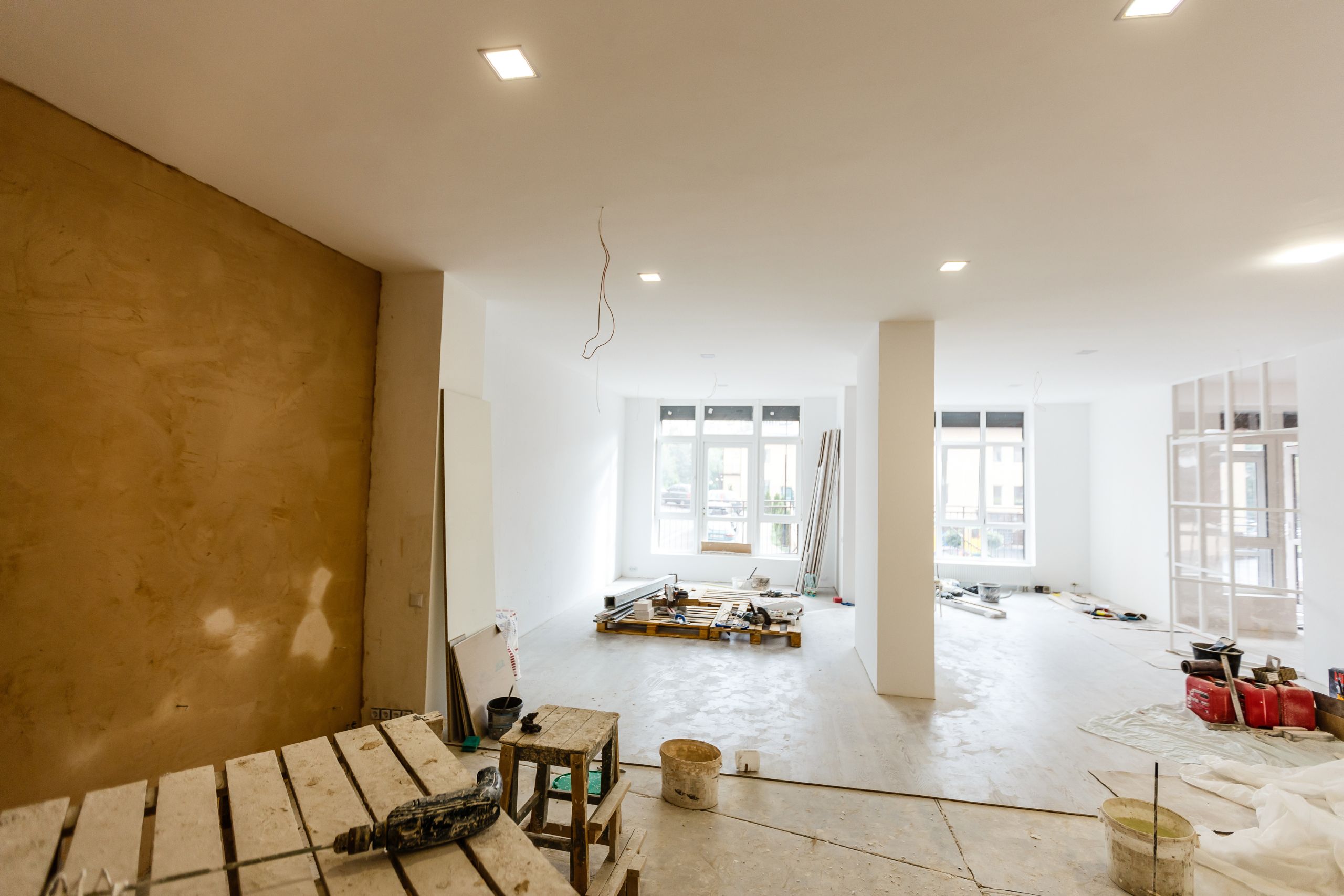
Turnkey vs Traditional Fit-Out: What Businesses Need to Know
Delivering a successful commercial interior requires more than good design. It requires coordination, control, and a clear understanding of how each stage of a project connects to the next. For many businesses, the fit-out process can feel complex, with multiple stakeholders, shifting timelines, and budgets that are difficult to manage. The approach taken at the beginning of a project has a significant impact on the final outcome. Whether a business chooses a traditional fit-out route or a turnkey solution determines how efficiently the project is delivered, how risks are managed, and how aligned the final space is with the original vision. Understanding the difference between these two approaches is essential for making informed decisions that protect both investment and outcome. Understanding the Traditional Fit-Out Approach The traditional fit-out model separates the design and construction process into distinct phases, often handled by different parties. A business may appoint a designer or architect to develop the concept and technical drawings. Once this phase is complete, contractors are invited to tender and execute the build based on the provided documentation. While this approach can work, it introduces a level of fragmentation that can create challenges throughout the project lifecycle. Communication between designers, contractors, and suppliers is not always seamless. Each party operates within their own scope, which can lead to gaps in understanding or misalignment in execution. When issues arise during construction, they often require revisiting the design phase. This can result in delays, additional costs, and adjustments that move away from the original intent. The client is frequently required to manage these interactions, acting as the link between multiple stakeholders. The traditional model places a significant coordination burden on the client, requiring time, experience, and resources to manage effectively. The Turnkey Office Fit-Out Approach A turnkey office fit out in South Africa offers a more integrated solution. Design, planning, procurement, and construction are managed under a single contract, with one team responsible for the entire process. This approach simplifies project delivery by creating a single point of responsibility. The same team that develops the design is involved in its execution, ensuring continuity and alignment from concept through to completion. Communication is streamlined, and decisions can be made more efficiently. Challenges are addressed within the team rather than being passed between separate parties. This results in a more cohesive process and a stronger connection between vision and outcome. Turnkey solutions are often referred to as design and build office solutions because they combine creative and technical expertise within one structure. This integration is key to delivering projects that are both functional and aligned with client expectations. TURNKEY OFFICE SERVICE Coordination and Project Efficiency One of the most significant differences between the two approaches lies in coordination. In a traditional fit-out, coordination happens across multiple teams. Designers, contractors, engineers, and suppliers must align independently, often leading to communication gaps. Each handover introduces the potential for misinterpretation or delay. In a turnkey model, coordination is centralised. All disciplines work within a unified framework, allowing for better communication and faster decision-making. The project progresses with a clear understanding of priorities, timelines, and responsibilities. This level of coordination improves efficiency and reduces the likelihood of errors. It ensures that the project moves forward without unnecessary interruptions or rework. Cost Control and Budget Transparency Managing costs is a critical concern for any commercial fit-out. The approach taken can significantly influence how predictable and controlled the budget remains. Traditional fit-outs often begin with a design that is later priced by contractors. If costs exceed expectations, the design may need to be revised, leading to delays and additional professional fees. This cycle can repeat multiple times before a final budget is agreed upon. In contrast, turnkey office fit out projects integrate cost considerations from the outset. Design decisions are made with a clear understanding of budget constraints, reducing the need for significant revisions later in the process. This approach provides greater cost transparency and allows clients to make informed decisions early on. It also reduces the risk of unexpected expenses during construction, as the team is aligned on both design intent and financial parameters. Timelines and Project Delivery Time is a valuable resource in any business environment. Delays in project delivery can impact operations, revenue, and overall planning. Traditional fit-outs often follow a linear process, where each phase must be completed before the next begins. Design is finalised before construction starts, and any changes during the build phase can cause delays. Turnkey solutions allow for a more integrated timeline. Overlapping phases and continuous communication enable faster progress. Design development, procurement, and construction can be aligned to reduce downtime and improve efficiency. This streamlined approach shortens project timelines and ensures that deadlines are more consistently met. It also provides clients with greater certainty around completion dates. Accountability and Risk Management Accountability is a key factor in the success of any project. When multiple parties are involved, it can be difficult to determine responsibility when issues arise. In a traditional fit-out, responsibility is often divided between designers and contractors. Disputes can occur if the design is difficult to execute or if construction does not align with the drawings. Resolving these issues can take time and may require additional resources. A turnkey approach eliminates this fragmentation by establishing a single point of accountability. The same team is responsible for both design and execution, reducing the likelihood of disputes and simplifying problem resolution. Risk is managed more effectively because the team has full visibility of the project from start to finish. Potential challenges can be identified and addressed early, preventing escalation during construction. PROJECT MANAGEMENT Quality and Design Integrity Maintaining design integrity throughout the construction process is essential for achieving the desired outcome. In traditional models, the separation between design and construction can lead to compromises. Contractors may interpret drawings differently or make adjustments based on practical constraints, which can alter the final result. Turnkey commercial fit out services ensure that the design intent is preserved.
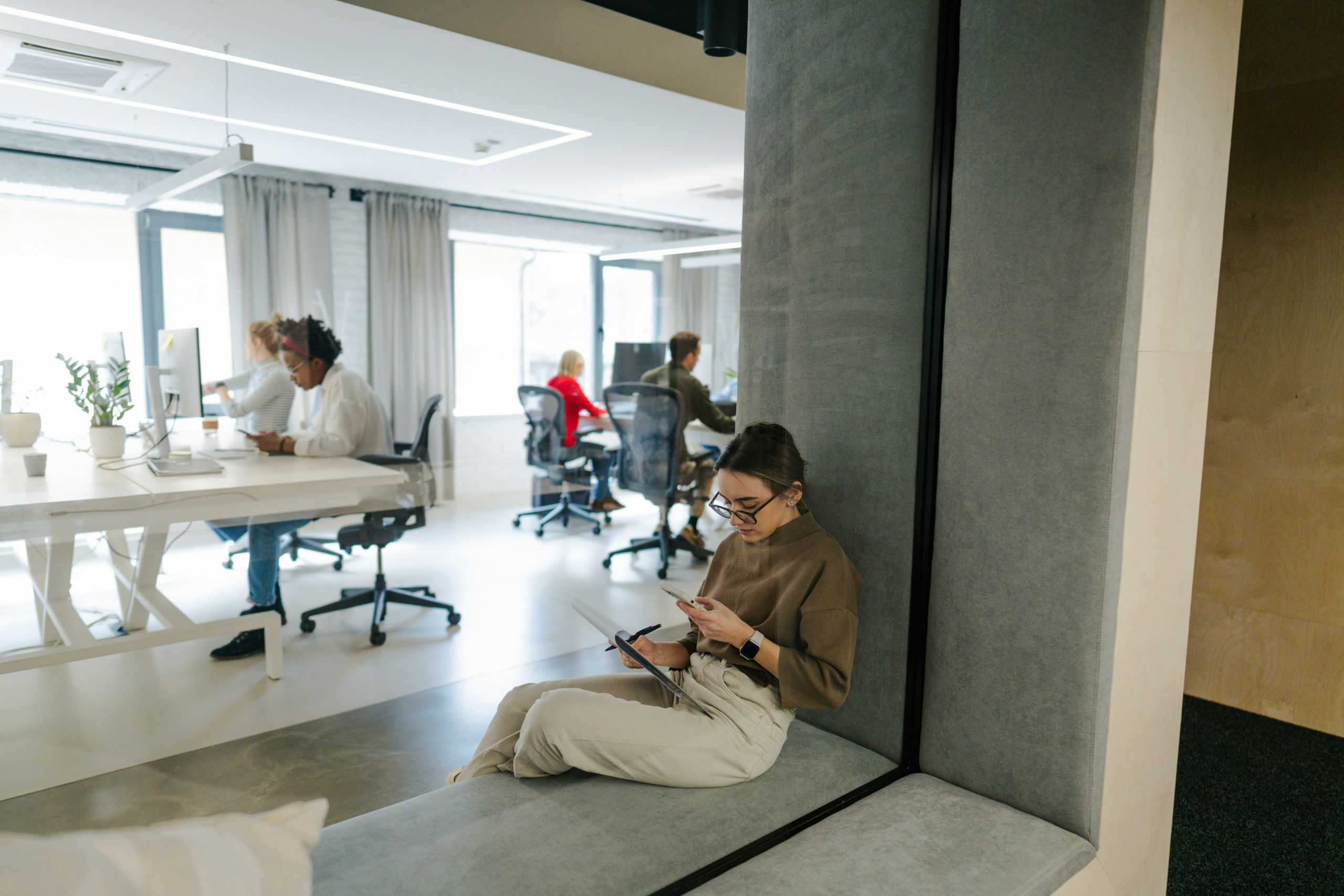
Designing for Hybrid Work: Creating Offices People Want to Return To
The role of the office has fundamentally changed. What was once a fixed, daily destination has become optional for many employees. Remote work has shifted expectations, and flexibility is no longer considered a benefit but a standard. In this context, the office must evolve from being a place people have to be, into a place they want to be. Hybrid work has redefined how organisations think about space. It is no longer enough for an office to provide desks and meeting rooms. It must deliver value that cannot be replicated at home. It must support collaboration, strengthen culture, and create meaningful experiences that justify the commute. Designing for hybrid work requires a deeper understanding of behaviour, movement, and purpose. It is about creating environments that are flexible, engaging, and aligned with how modern teams operate. The Shift Towards Hybrid Workplace Design in South Africa Across South Africa, businesses are adapting to hybrid work models that combine remote and in-office time. This shift is not temporary. It reflects a broader transformation in workplace strategy and employee expectations. Hybrid workplace design in South Africa is becoming a critical focus for organisations looking to remain competitive. Employees now evaluate workplaces not only on salary and benefits, but also on flexibility, environment, and experience. The office plays a key role in this equation. A well-designed hybrid office supports different work styles and accommodates fluctuating occupancy levels. It allows employees to transition seamlessly between focused tasks, collaborative sessions, and informal interaction. According to the World Green Building Council, workplaces that prioritise wellbeing, flexibility, and design quality contribute to improved performance and employee satisfaction. This reinforces the importance of designing offices that respond to evolving needs. From Mandatory Space to Meaningful Destination The most significant shift in modern workplace strategy is the change in mindset around the office. It is no longer mandatory, which means it must be meaningful. Employees are no longer willing to commute simply to sit at a desk and perform tasks they could complete remotely. The office must offer something more. It must create opportunities for connection, creativity, and collaboration. It must provide an environment that enhances productivity rather than replicating home conditions. This requires a move away from static layouts toward dynamic, experience-driven spaces. The office becomes a destination where people engage with colleagues, share ideas, and participate in a culture that cannot exist in isolation. WORKSPACE STRATEGY Flexibility as a Core Design Principle Flexible office design is central to hybrid workplace success. Traditional layouts with fixed workstations are no longer sufficient to support changing patterns of occupancy and use. In a hybrid model, not every employee is present at the same time. This creates an opportunity to rethink how space is allocated and used. Instead of assigning permanent desks, organisations can introduce shared workstations, adaptable seating, and multipurpose areas. Flexibility also extends to how spaces function throughout the day. A meeting room may need to accommodate formal discussions in the morning and collaborative workshops in the afternoon. Breakout areas may serve as informal meeting zones, quiet workspaces, or social hubs depending on demand. By designing for flexibility, organisations maximise the efficiency of their space while supporting a variety of work styles. This approach aligns with modern workplace strategy and ensures that the office remains relevant as needs evolve. SPACE PLANNING Designing for Collaboration and Connection One of the primary reasons employees return to the office is to connect with others. Collaboration is difficult to replicate fully in remote environments, particularly when it involves spontaneous interaction and creative problem-solving. Hybrid workplace design should prioritise spaces that encourage collaboration. These areas should be easily accessible, visually inviting, and designed to support both formal and informal interaction. Open collaboration zones, informal seating areas, and well-positioned meeting rooms create opportunities for teams to engage naturally. The layout should reduce barriers to communication and make it easy for employees to connect across departments. At the same time, collaboration spaces must be balanced with areas for focus. Without this balance, the office can become overwhelming and counterproductive. OFFICE DESIGN Creating Experience-Driven Work Environments In a hybrid work model, experience becomes a key differentiator. Employees choose to come into the office when the environment offers something valuable and engaging. Experience-driven design considers how a space feels as well as how it functions. Lighting, materials, acoustics, and spatial flow all contribute to the overall atmosphere. Natural light improves mood and energy levels. Thoughtful material choices create warmth and comfort. Acoustic control reduces distractions and enhances focus. Reception areas and shared spaces play an important role in shaping first impressions and reinforcing brand identity. These areas should feel welcoming and intentional, reflecting the organisation’s culture and values. An office that delivers a strong experience encourages employees to spend time there. It becomes a place of energy, interaction, and purpose. Supporting Focus and Individual Productivity While collaboration is essential, individual work remains a significant part of the workday. Hybrid offices must provide environments that support focus and concentration. Quiet zones, enclosed spaces, and well-designed workstations allow employees to complete tasks without interruption. These areas should be separated from high-traffic zones and designed with acoustics in mind. The ability to choose between collaborative and focused environments gives employees control over how they work. This flexibility improves productivity and reduces frustration. A balanced office recognises that different tasks require different settings. By providing a range of spaces, organisations support both efficiency and wellbeing. Technology Integration and Seamless Workflows Hybrid work relies on technology to connect in-office and remote employees. Office design must support this integration to ensure seamless communication and collaboration. Meeting rooms should be equipped with reliable conferencing systems that enable effective hybrid meetings. Workstations should provide easy access to power and connectivity. Shared spaces should support digital collaboration tools. Technology should feel integrated rather than added on. It should enhance the functionality of the space without creating complexity. A well-designed hybrid office ensures that employees can transition between physical and digital environments
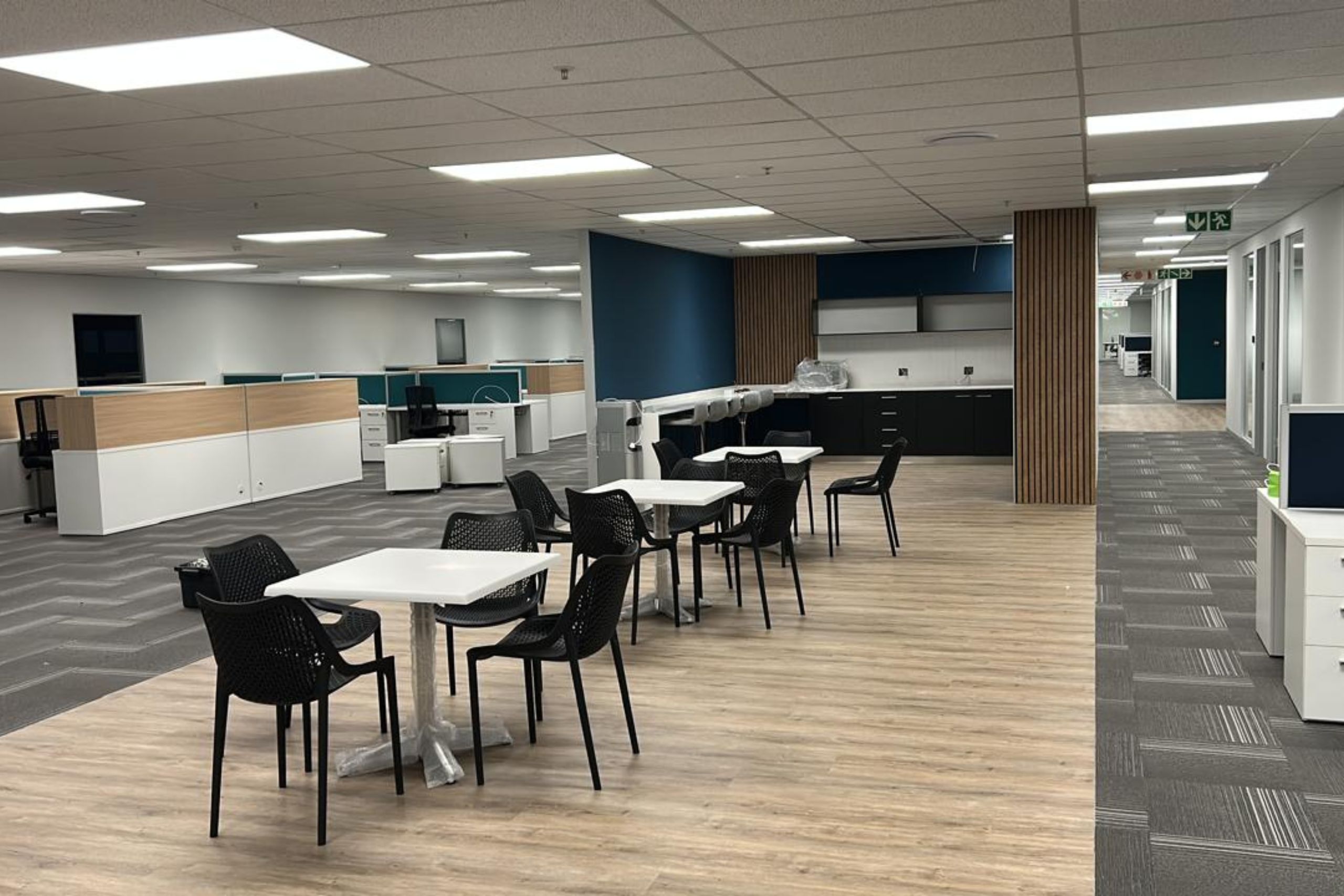
The Hidden Cost of Poor Space Planning in Commercial Offices
Office design is often approached from a visual perspective. Finishes, furniture, and overall look tend to dominate decision-making. However, beneath the surface of every workspace lies a more critical factor that determines whether an office truly performs. Space planning is the foundation of any successful commercial interior, and when it is overlooked or poorly executed, the consequences are far-reaching. An office may appear complete, yet still fail to support the people working within it. Movement becomes inefficient. Collaboration feels forced. Focus is difficult to maintain. These challenges are often accepted as part of the work environment, when in reality they are symptoms of deeper spatial issues. Poor space planning does not always present itself immediately, but over time it quietly impacts productivity, culture, and operational costs. Understanding these hidden costs allows organisations to rethink how their environments support performance and growth. Space Planning as a Strategic Function Space planning is not simply about fitting desks into a room. It is about understanding how people move, interact, and perform within a space. Every decision, from workstation placement to circulation routes, influences workflow and behaviour. A well-planned office considers adjacency between teams, access to shared resources, and the balance between collaboration and focus. It ensures that high-traffic areas are efficient, that meeting spaces are accessible, and that quiet zones are protected from disruption. When space planning is treated as a strategic function, the office becomes a tool that supports business objectives. When it is treated as an afterthought, the office becomes a source of friction. SPACE PLANNING The Impact on Productivity and Workflow One of the most immediate consequences of poor space planning is reduced productivity. Employees spend unnecessary time navigating inefficient layouts, searching for available meeting spaces, or working around distractions. Disjointed layouts create barriers to communication. Teams that should collaborate easily are separated by distance or poor positioning. Informal interaction becomes less frequent, slowing down decision-making and problem-solving. At the same time, a lack of defined quiet areas makes focused work more difficult, leading to interruptions and reduced output. Research from the World Green Building Council highlights that well-designed workplaces can significantly improve productivity and employee performance. This reinforces the idea that spatial planning is directly linked to how effectively people work. Workflow inefficiencies may seem minor in isolation, but when repeated daily across an organisation, they compound into measurable losses in time and performance. Underutilised Space and Financial Inefficiency Commercial real estate is one of the largest expenses for any organisation. When space is not used effectively, the financial impact becomes significant. Poorly planned offices often contain areas that are either overcrowded or underutilised. Meeting rooms may sit empty for large portions of the day while informal spaces are insufficient. Workstations may occupy more space than necessary, limiting flexibility for growth or collaboration. This imbalance leads to wasted square meterage. Businesses end up paying for space that does not contribute to productivity or experience. In some cases, organisations consider relocating to larger premises when the real issue lies in how the existing space is used. Strategic space planning unlocks the potential of the current footprint. It ensures that every area has purpose and that space is aligned with actual needs rather than assumptions. The Effect on Employee Experience The workplace environment plays a significant role in how employees feel and perform. Poor space planning creates frustration, discomfort, and disengagement. When circulation is unclear, employees experience unnecessary friction in their daily routines. When collaboration spaces are limited or poorly located, teamwork becomes difficult. When there are no quiet areas, concentration suffers. These factors influence morale and overall job satisfaction. Employees may not always identify space planning as the root cause, but they feel the effects. Over time, this can impact retention and engagement. A well-planned office, on the other hand, supports different ways of working. It provides areas for collaboration, focus, and informal interaction. It creates a sense of flow and ease that allows employees to perform at their best. Brand Perception and Client Experience Office environments are not only experienced by employees. Clients, partners, and visitors form impressions based on how a space feels and functions. An office with poor spatial organisation can appear disjointed and unstructured. Reception areas may feel disconnected from the rest of the space. Meeting rooms may be difficult to access or lack privacy. These subtle cues influence how a business is perceived. A well-planned office communicates professionalism and confidence. It demonstrates that the organisation values structure, clarity, and experience. The flow of the space, the positioning of key areas, and the ease of navigation all contribute to a positive impression. Space planning therefore becomes an extension of brand identity. Flexibility and Future Growth Constraints Businesses evolve, and their workspaces need to adapt accordingly. Poor space planning often limits flexibility, making it difficult to respond to growth or changing work patterns. Rigid layouts with fixed workstations and limited multipurpose areas reduce the ability to reconfigure space. As teams expand or restructure, the office struggles to accommodate new requirements. This lack of flexibility can lead to costly modifications or even premature relocation. In contrast, well-planned spaces incorporate adaptability from the outset. They allow for reconfiguration without major disruption, supporting long-term growth and change. The Cost of Retrofitting and Redesign When space planning issues become too significant to ignore, organisations are forced to make changes. Retrofitting an existing office can be costly and disruptive, particularly when core layout decisions need to be revised. Walls may need to be moved, services adjusted, and furniture replaced. These interventions often cost more than getting the planning right from the beginning. In addition to financial costs, there is also the impact on operations during the transition period. Investing in proper space planning upfront reduces the likelihood of these disruptions. It ensures that the office performs effectively from the start, minimising the need for reactive changes. Aligning Space with Business Objectives An effective office is one that aligns with how a business operates.
Upscaling Without Relocating: How to Elevate Your Existing Office
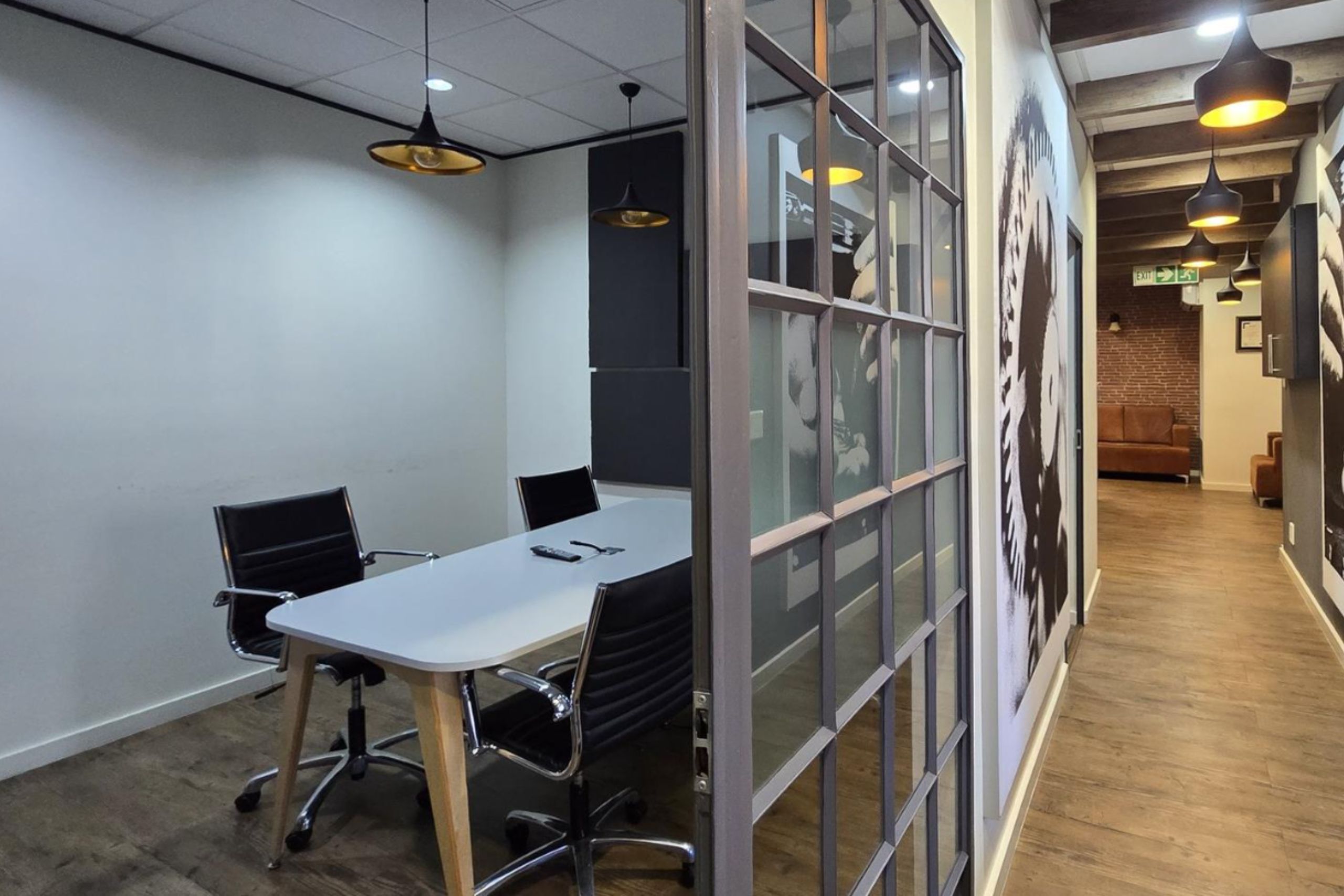
Not every organisation has the option to relocate when growth demands more space or improved facilities. Upscaling without moving requires strategic thinking and intentional design. By enhancing the existing office environment, organisations can elevate performance, culture, and brand perception without the disruption and cost of relocation. Transformation begins with understanding how people interact with the space. Every square meter should serve both function and culture, reinforcing identity while supporting productivity. Upscaling is about more than adding furniture or repainting walls. It is about creating an environment where people thrive, workflows improve, and organisational values are expressed physically. Well-designed spaces improve engagement, collaboration, and overall employee satisfaction. Research from the World Green Building Council demonstrates that employees in thoughtfully planned offices experience increased focus, reduced stress, and higher engagement levels. The space becomes a tool for performance rather than just a backdrop for daily tasks. Understanding the Current Office Environment The first step in upscaling is evaluating how the current office is used. Observing circulation patterns, identifying bottlenecks, and noting how collaborative zones are functioning provides insight into opportunities for improvement. Lighting, acoustics, furniture ergonomics, and material choices all affect comfort and productivity. Design interventions should respond to real needs rather than aesthetic preference alone. Evaluating current spaces ensures that changes align with organisational culture, support workflow efficiency, and elevate the overall experience for employees and visitors alike. WORKSPACE STRATEGY Maximising Space and Functionality Upscaling often requires creative use of existing space. Reconfiguring layouts can optimise flow, enhance collaboration, and create the perception of expansiveness. Open-plan areas can be complemented with modular furniture that adapts to different needs. Private or semi-private zones support focused work while retaining flexibility. Storage solutions play a crucial role in functionality. Clever integration of storage, shelving, and cabinetry reduces clutter, making spaces feel more open and organised. Technology integration, from screens and conferencing systems to power accessibility, ensures that the office functions seamlessly in a modern work context. SPACE PLANNING Elevating Aesthetic and Brand Expression Upscaling provides an opportunity to refresh the office visually and communicate identity. Colour palettes, finishes, and textures should reflect brand values and the desired culture. Natural light and strategic artificial lighting improve comfort, highlight architectural features, and enhance mood. Artwork, wall treatments, and feature installations reinforce organisational narratives without requiring extensive renovation. Even small interventions, such as introducing plants, updating furniture, or adding signage, create the impression of a more premium, thoughtfully designed space. OFFICE RENOVATION Enhancing Collaboration and Communication Collaboration depends on both layout and design. Reorganising spaces to encourage spontaneous interaction improves teamwork and innovation. Breakout zones and informal meeting areas should be accessible, visually appealing, and strategically placed to promote cross-team communication. Acoustic management is essential to balance openness with concentration. Thoughtful partitions, acoustic panels, and furniture placement allow employees to collaborate without distracting others. By integrating these elements into an upscale strategy, organisations can foster a culture of communication, creativity, and productivity. Integrating Flexibility and Future Growth One of the key benefits of upscaling rather than relocating is maintaining flexibility. Modular furniture, adjustable workstations, and multipurpose areas ensure that the office can adapt to changing team sizes, workflow patterns, or business priorities. Flexibility also supports hybrid work practices, enabling the organisation to respond to new work models without costly alterations. A well-planned office considers both present and future needs, ensuring that investment in upgrades delivers long-term value. Employee Experience and Wellbeing Upscaling should prioritise the human experience. Ergonomic furniture, clear circulation, natural light, and wellness-focused spaces improve physical and mental wellbeing. By attending to employee comfort and accessibility, organisations signal that people are central to operations. When employees feel comfortable, valued, and supported, engagement rises and turnover decreases. Design interventions that enhance experience without requiring relocation provide measurable impact on performance, satisfaction, and culture. Sustainable Upscaling Practices Upscaling without moving can be more environmentally responsible than relocating. Reusing existing structures, furniture, and finishes reduces waste and carbon footprint. Selecting sustainable materials for upgrades, improving energy efficiency, and incorporating plants or biophilic design features reinforces environmental responsibility. Sustainable design choices align with broader corporate responsibility goals and create spaces that are healthier for people and the planet. Upscaling strategically becomes a tool to achieve multiple objectives: operational efficiency, employee satisfaction, and sustainability. Measuring the Impact of Upscaling The effectiveness of an upscale project can be assessed through multiple lenses. Observing workflow improvements, monitoring space utilisation, and tracking employee engagement metrics reveal the impact of interventions. Feedback from employees and clients provides qualitative insight into how the upgraded environment affects culture and experience. Well-executed upscaling demonstrates that existing spaces can perform at a premium level, delivering both functional and cultural benefits without the cost and disruption of relocation. Upscaling as a Strategic Advantage Investing in improving an existing office showcases resourcefulness, adaptability, and commitment to culture. Upscaling demonstrates that growth and improvement do not require abandoning the familiar, but can be achieved through intentional design. The office becomes a statement of identity, a facilitator of performance, and a platform for culture. Strategic interventions create spaces that support current operations, anticipate future needs, and reflect organisational values in tangible ways.
Office Culture Through Design: How Spaces Tell Your Story
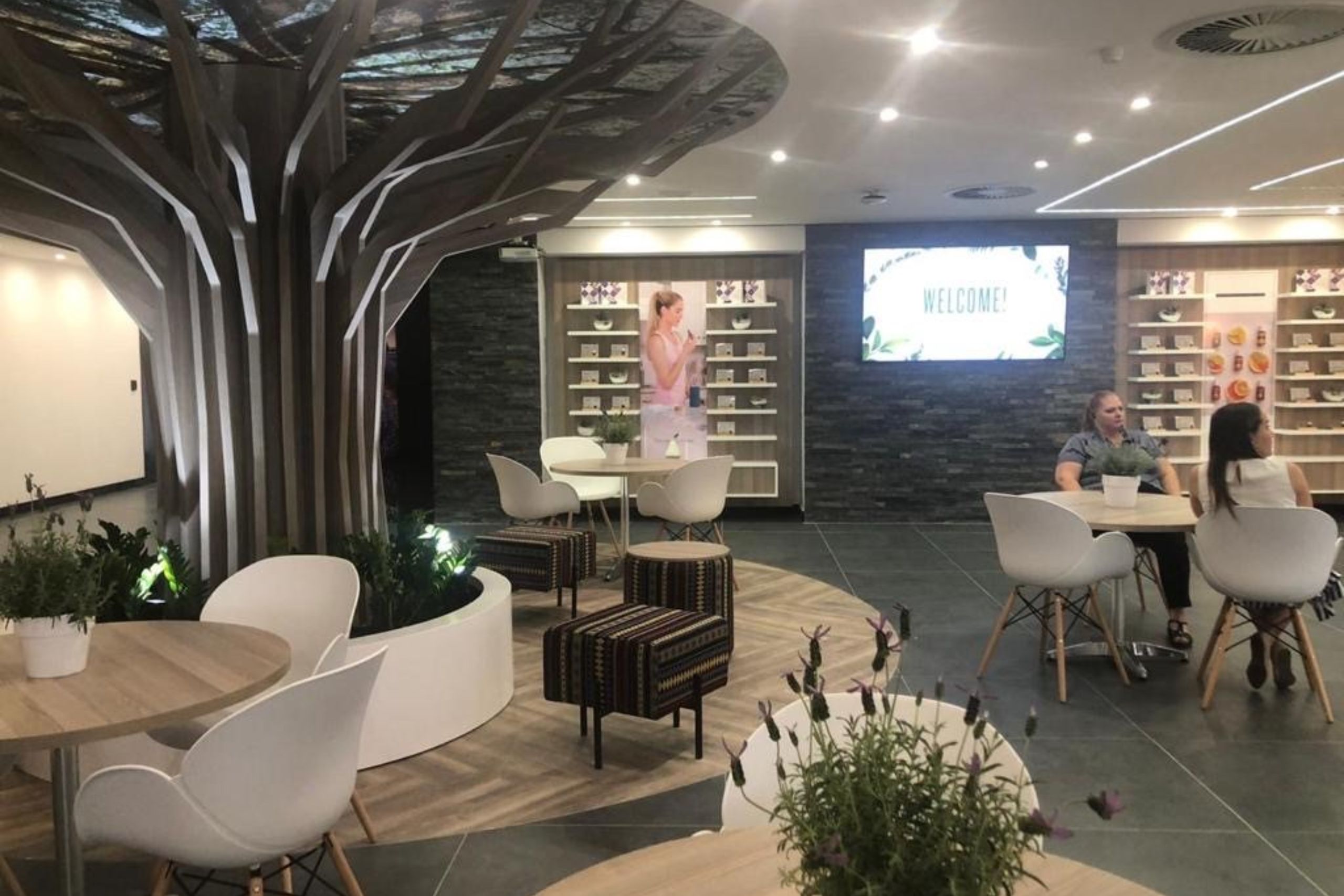
Office spaces communicate more than just function. Every element, from reception desks to collaborative hubs, conveys identity, values, and organisational culture. Narrative-driven design ensures that every spatial decision reinforces the story your organisation wants to tell. Design is not decoration. It is a strategic tool that shapes employee experience, strengthens workflow, improves engagement, and leaves a lasting impression on clients and visitors. Understanding the connection between culture and design allows organisations to create environments that are intentional, cohesive, and effective. Why This Matters Modern workplaces are evaluated not only by productivity but also by employee satisfaction, wellbeing, and the strength of organisational identity. When employees enter a space that reflects company culture, they understand expectations without needing instructions. Research from the World Green Building Council demonstrates that factors like natural light, access to collaborative areas, and ergonomic furniture significantly improve focus, health, and retention. Physical space directly influences behaviour. Well-designed offices can increase collaboration naturally, reduce workflow friction, and provide employees with the comfort they need to perform at their best. When office design communicates organisational values, it enhances culture and supports operational goals. Understanding Narrative-Driven Design Narrative-driven design integrates storytelling principles into every element of the workspace. From spatial hierarchy to material choices, furniture selection, lighting, acoustics, and technology integration, every decision contributes to the narrative. A narrative-driven approach does not rely on aesthetics alone. It ensures that how people move, interact, and work reflects the organisation’s values. This type of design turns functional environments into experiential ones where culture is visible and understood without explanation. DRIVEN DESIGN Reflecting Different Workplace Cultures Each organisation has a distinct culture, and the office should reflect that identity. A creative company benefits from open layouts, informal breakout spaces, and writable walls, which foster collaboration and idea-sharing. Structured, results-oriented organisations often require clear workstation arrangements, formal meeting areas, and consistent finishes, promoting focus and professionalism. Sustainability-focused organisations incorporate recycled or locally sourced materials, abundant natural light, and biophilic elements that signal environmental responsibility. Organisations with hybrid work patterns rely on adaptable spaces and modular furniture to maintain flexibility without losing cohesion. Narrative-driven design ensures that each cultural trait is visible and functional. Linking Design to Employee Experience Workplace experience combines comfort, functionality, accessibility, and culture. Ergonomic seating and adjustable desks reduce physical strain and support health. Circulation planning minimises congestion and encourages efficient movement. Acoustic management enhances focus in open-plan areas. Breakout spaces provide informal socialisation and collaboration opportunities. When design reflects the organisational narrative, employees experience culture as part of their everyday routine. Spaces communicate identity while simultaneously supporting wellbeing and productivity. SPACE PLANNING Collaboration and Flexibility Workplaces need to support multiple ways of working. Narrative-driven design ensures flexibility without compromising the story being told. Modular furniture allows teams to adjust spaces for collaboration or individual focus. Collaborative hubs facilitate interaction and problem-solving, while quiet zones provide mental respite. Observational studies by Gensler show that offices with well-planned collaborative spaces report higher engagement, faster decision-making, and improved knowledge sharing. Flexibility becomes meaningful when aligned with organisational culture. Recruitment, Retention, and Employer Branding Office culture directly affects talent acquisition and retention. Candidates increasingly evaluate potential employers based on the tangible experience of the workspace. Inclusive, accessible, and well-planned offices attract top talent. Employees stay engaged when the environment validates the organisation’s values. Investors and partners also perceive credibility and professionalism when the office communicates culture clearly. Narrative-driven design turns the office into a strategic asset that supports branding and people strategy simultaneously. Trends Shaping Narrative-Driven Design Several contemporary trends influence how workplace culture is translated into design. Hybrid work adoption requires spaces that support both in-person collaboration and flexible working patterns. Employee wellbeing is central, including ergonomic furniture and biophilic design features. Technology integration ensures seamless access to power, screens, and collaborative software. Sustainability is critical, with responsible material selection and energy-efficient systems. Finally, storytelling through design ensures that colour, texture, and spatial hierarchy communicate brand values intuitively. By incorporating these trends, offices remain contemporary and future-proof. Measuring the Impact of Design The effectiveness of narrative-driven design can be assessed through employee engagement, workflow efficiency, wellbeing, and visitor perception. Surveys and interviews capture satisfaction and perceived alignment with culture. Observation of circulation patterns and collaborative space utilisation provides insight into workflow. Ergonomics and accessibility measurements indicate comfort and functionality. Feedback from clients and partners reflects how successfully the office communicates organisational identity. Measurement demonstrates that intentional design delivers tangible benefits beyond aesthetics. Embedding Culture into Every Decision Every material, colour, furniture choice, and lighting decision contributes to the narrative. Reception areas create first impressions, collaborative zones encourage interaction, quiet spaces support focus, and workstations balance privacy with adaptability. Cohesive design ensures that the story is consistently experienced across all touchpoints. By embedding culture into every decision, organisations create spaces that support identity, behaviour, and performance simultaneously. Designing for Performance and Identity Narrative driven design strengthens engagement, fosters collaboration, and communicates organisational identity. Offices that reflect culture improve productivity, wellbeing, and operational efficiency. Spaces that tell a story intentionally function better, feel better, and leave a lasting impression on every visitor. Design becomes a tool for performance and identity rather than decoration alone.