
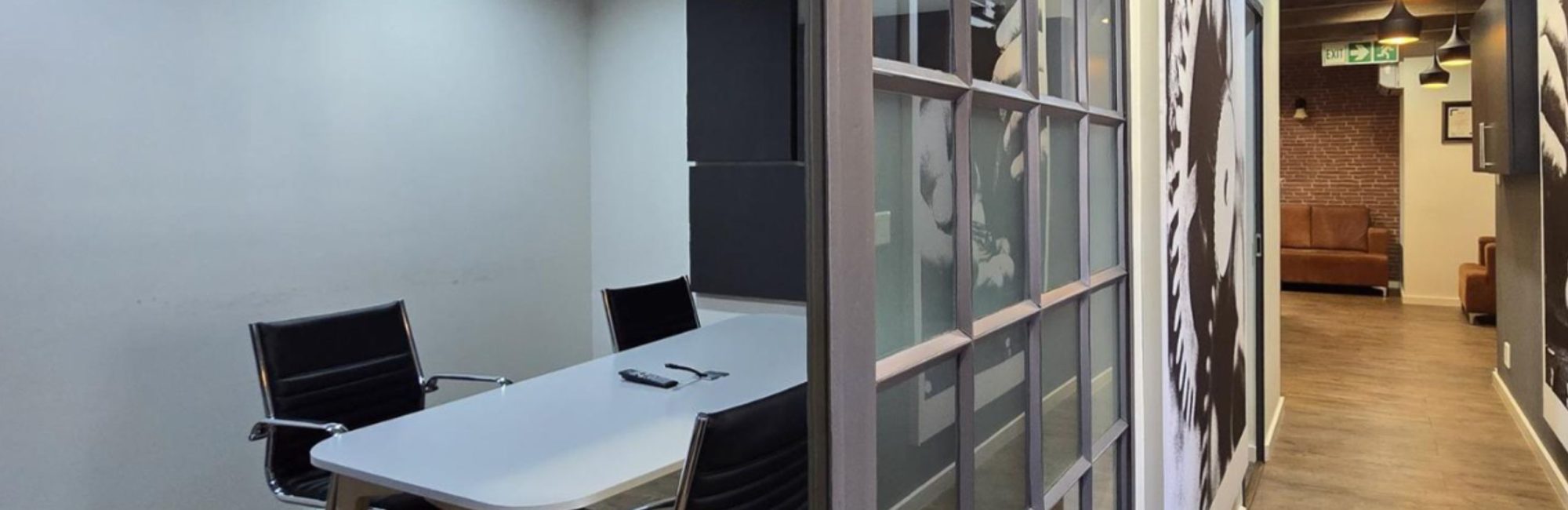
Not every organisation has the option to relocate when growth demands more space or improved facilities. Upscaling without moving requires strategic thinking and intentional design. By enhancing the existing office environment, organisations can elevate performance, culture, and brand perception without the disruption and cost of relocation.
Transformation begins with understanding how people interact with the space. Every square meter should serve both function and culture, reinforcing identity while supporting productivity. Upscaling is about more than adding furniture or repainting walls. It is about creating an environment where people thrive, workflows improve, and organisational values are expressed physically.
Well-designed spaces improve engagement, collaboration, and overall employee satisfaction. Research from the World Green Building Council demonstrates that employees in thoughtfully planned offices experience increased focus, reduced stress, and higher engagement levels. The space becomes a tool for performance rather than just a backdrop for daily tasks.
Understanding the Current Office Environment
The first step in upscaling is evaluating how the current office is used. Observing circulation patterns, identifying bottlenecks, and noting how collaborative zones are functioning provides insight into opportunities for improvement. Lighting, acoustics, furniture ergonomics, and material choices all affect comfort and productivity.
Design interventions should respond to real needs rather than aesthetic preference alone. Evaluating current spaces ensures that changes align with organisational culture, support workflow efficiency, and elevate the overall experience for employees and visitors alike.
Maximising Space and Functionality
Upscaling often requires creative use of existing space. Reconfiguring layouts can optimise flow, enhance collaboration, and create the perception of expansiveness. Open-plan areas can be complemented with modular furniture that adapts to different needs. Private or semi-private zones support focused work while retaining flexibility.
Storage solutions play a crucial role in functionality. Clever integration of storage, shelving, and cabinetry reduces clutter, making spaces feel more open and organised. Technology integration, from screens and conferencing systems to power accessibility, ensures that the office functions seamlessly in a modern work context.
Elevating Aesthetic and Brand Expression
Upscaling provides an opportunity to refresh the office visually and communicate identity. Colour palettes, finishes, and textures should reflect brand values and the desired culture. Natural light and strategic artificial lighting improve comfort, highlight architectural features, and enhance mood.
Artwork, wall treatments, and feature installations reinforce organisational narratives without requiring extensive renovation. Even small interventions, such as introducing plants, updating furniture, or adding signage, create the impression of a more premium, thoughtfully designed space.
Enhancing Collaboration and Communication
Collaboration depends on both layout and design. Reorganising spaces to encourage spontaneous interaction improves teamwork and innovation. Breakout zones and informal meeting areas should be accessible, visually appealing, and strategically placed to promote cross-team communication.
Acoustic management is essential to balance openness with concentration. Thoughtful partitions, acoustic panels, and furniture placement allow employees to collaborate without distracting others. By integrating these elements into an upscale strategy, organisations can foster a culture of communication, creativity, and productivity.
Integrating Flexibility and Future Growth
One of the key benefits of upscaling rather than relocating is maintaining flexibility. Modular furniture, adjustable workstations, and multipurpose areas ensure that the office can adapt to changing team sizes, workflow patterns, or business priorities.
Flexibility also supports hybrid work practices, enabling the organisation to respond to new work models without costly alterations. A well-planned office considers both present and future needs, ensuring that investment in upgrades delivers long-term value.
Employee Experience and Wellbeing
Upscaling should prioritise the human experience. Ergonomic furniture, clear circulation, natural light, and wellness-focused spaces improve physical and mental wellbeing. By attending to employee comfort and accessibility, organisations signal that people are central to operations.
When employees feel comfortable, valued, and supported, engagement rises and turnover decreases. Design interventions that enhance experience without requiring relocation provide measurable impact on performance, satisfaction, and culture.
Sustainable Upscaling Practices
Upscaling without moving can be more environmentally responsible than relocating. Reusing existing structures, furniture, and finishes reduces waste and carbon footprint. Selecting sustainable materials for upgrades, improving energy efficiency, and incorporating plants or biophilic design features reinforces environmental responsibility.
Sustainable design choices align with broader corporate responsibility goals and create spaces that are healthier for people and the planet. Upscaling strategically becomes a tool to achieve multiple objectives: operational efficiency, employee satisfaction, and sustainability.
Measuring the Impact of Upscaling
The effectiveness of an upscale project can be assessed through multiple lenses. Observing workflow improvements, monitoring space utilisation, and tracking employee engagement metrics reveal the impact of interventions. Feedback from employees and clients provides qualitative insight into how the upgraded environment affects culture and experience.
Well-executed upscaling demonstrates that existing spaces can perform at a premium level, delivering both functional and cultural benefits without the cost and disruption of relocation.
Upscaling as a Strategic Advantage
Investing in improving an existing office showcases resourcefulness, adaptability, and commitment to culture. Upscaling demonstrates that growth and improvement do not require abandoning the familiar, but can be achieved through intentional design.
The office becomes a statement of identity, a facilitator of performance, and a platform for culture. Strategic interventions create spaces that support current operations, anticipate future needs, and reflect organisational values in tangible ways.