
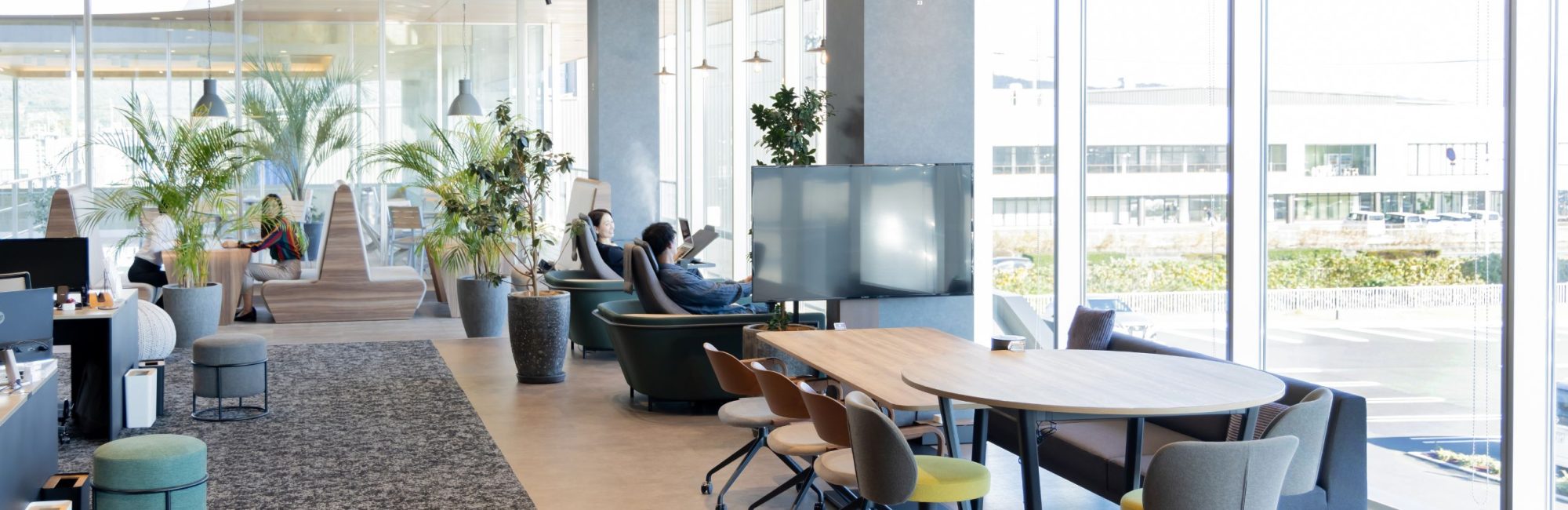
Lighting is often treated as a functional requirement in commercial interiors. It is installed to ensure visibility, meet compliance standards, and support basic tasks. While these functions are essential, they represent only a fraction of what lighting contributes to a workspace.
In reality, lighting is one of the most powerful tools in shaping how a space performs. It influences mood, productivity, perception, and behaviour. It defines how materials are experienced, how spaces are understood, and how people interact within an environment.
When approached strategically, lighting becomes a performance driver rather than a background element. It transforms commercial interiors from static environments into dynamic, responsive spaces that support both people and business objectives.
Lighting as a Core Element of Workplace Strategy
Modern workplace design extends beyond layout and furniture. It considers the full sensory experience of the environment, and lighting plays a central role in that experience.
Lighting affects how employees feel throughout the day. It can energise, calm, focus, or distract depending on how it is designed and applied. Poor lighting leads to fatigue, discomfort, and reduced concentration. Well-considered lighting supports alertness, enhances clarity, and improves overall wellbeing.
The World Green Building Council highlights the importance of indoor environmental quality, including lighting, in improving workplace performance. This reinforces the idea that lighting is directly linked to productivity and employee satisfaction.
In commercial interiors, lighting should be treated as a strategic component from the earliest stages of design. It must align with how the space will be used, the type of work being performed, and the experience the organisation wants to create.
The Impact of Natural Light on Productivity and Wellbeing
Natural light is one of the most valuable resources in any workspace. It introduces a dynamic quality that artificial lighting cannot fully replicate. The intensity and direction of daylight change throughout the day, creating variation and connection to the external environment.
Exposure to natural light has been shown to improve mood, regulate circadian rhythms, and increase productivity. Employees working in environments with access to daylight often report higher levels of satisfaction and engagement.
In commercial interior design, maximising natural light requires careful spatial planning. Workstations should be positioned to benefit from daylight without causing glare or discomfort. Glass partitions and open layouts can allow light to penetrate deeper into the space.
The challenge lies in balancing natural light with control. Excessive brightness or direct sunlight can create visual discomfort and reduce usability. Shading devices, blinds, and glazing treatments help regulate light levels while maintaining connection to the outside.
When integrated effectively, natural light enhances both the functional and emotional quality of a workspace. It creates a sense of openness and energy that supports daily performance.
Artificial Lighting as a Layered System
Artificial lighting provides consistency and control, ensuring that a workspace remains functional regardless of external conditions. However, not all artificial lighting is equal. The way it is designed and layered determines how effective it will be.
A successful lighting strategy combines different types of lighting to create depth and flexibility. Ambient lighting establishes overall illumination, ensuring that the space is evenly lit. Task lighting supports specific activities, such as reading, writing, or working on a computer. Accent lighting highlights architectural features, materials, and focal points.
Layering these elements creates a balanced environment where light is distributed appropriately. It prevents harsh contrasts and reduces eye strain. It also allows the space to adapt to different functions throughout the day.
In modern commercial interiors, lighting is often integrated into architectural elements. Bulkheads, ceilings, and joinery can incorporate linear lighting, concealed fixtures, and recessed details. This approach enhances both aesthetics and performance, creating a cohesive and refined environment.
Lighting and Spatial Definition
Lighting plays a critical role in defining how space is perceived. It can guide movement, emphasise key areas, and create a sense of hierarchy within an environment.
In open-plan offices, lighting can be used to differentiate zones without the need for physical barriers. Brighter lighting may highlight collaborative areas, while softer lighting can define quiet zones. Circulation paths can be subtly indicated through linear lighting or directional fixtures.
This approach allows designers to shape behaviour through light. Employees are naturally drawn to well-lit areas and can intuitively understand how different spaces are intended to be used.
Lighting also influences scale and proportion. Uplighting can make ceilings appear higher, creating a sense of openness. Downlighting can create intimacy and focus. The interplay between light and shadow adds depth, making the space feel more dynamic and engaging.
When used strategically, lighting becomes an architectural tool that enhances spatial clarity and experience.
Mood, Atmosphere, and Emotional Response
The atmosphere of a workspace is closely tied to lighting. Colour temperature, intensity, and distribution all contribute to how a space feels.
Cooler light temperatures tend to promote alertness and concentration, making them suitable for workstations and task-oriented areas. Warmer tones create a more relaxed and welcoming environment, often used in reception areas, lounges, and breakout spaces.
The ability to adjust lighting levels throughout the day adds another layer of flexibility. Dimmable systems allow spaces to transition from bright and energetic during working hours to softer and more relaxed during informal gatherings or after-hours use.
Lighting can also reinforce brand identity. A corporate environment may favour clean, neutral lighting that emphasises clarity and precision. A more creative space may introduce variation and contrast to create visual interest.
These decisions influence how people feel within the space, shaping both individual experience and collective culture.
Energy Efficiency and Sustainability
Energy efficiency is a critical consideration in modern commercial interiors. Lighting systems contribute significantly to overall energy consumption, making efficient design essential.
Advancements in LED technology have transformed the way lighting is approached. LED fixtures offer high performance with lower energy use and longer lifespan compared to traditional lighting solutions. This reduces both operational costs and environmental impact.
Smart lighting systems further enhance efficiency by allowing automated control. Sensors can adjust lighting based on occupancy or natural light levels, ensuring that energy is not wasted.
Sustainable lighting design aligns with broader environmental goals while maintaining performance and quality. It reflects a commitment to responsible design and long-term value.
The Relationship Between Lighting and Materials
Materials are experienced through light. Their texture, colour, and finish are all influenced by how they are illuminated.
A material that appears rich and refined under one lighting condition may look flat or dull under another. This makes it essential to consider lighting and material selection together.
Accent lighting can enhance the depth of textured surfaces, highlighting grain, pattern, and detail. Reflective materials interact with light to create brightness and movement. Matte finishes absorb light, creating a softer and more controlled effect.
The interaction between light and material contributes to the overall perception of quality. Well-lit finishes appear more premium and intentional, reinforcing the design narrative.
This relationship is particularly important in feature areas such as reception spaces, boardrooms, and client-facing zones. Lighting should be used to elevate these areas, drawing attention to key elements and creating a strong visual impact.
Supporting Hybrid and Flexible Work Environments
As workplaces evolve, lighting must adapt to new ways of working. Hybrid environments require flexibility, allowing spaces to support different functions throughout the day.
Lighting systems should accommodate this variability. Adjustable fixtures, zoning, and control systems enable spaces to transition between collaborative, focused, and informal uses.
In meeting rooms, lighting must support both in-person and virtual interaction. Balanced illumination ensures that participants are clearly visible on screen while maintaining comfort within the room.
In open work areas, lighting should provide consistency without creating monotony. Variation in intensity and distribution can introduce interest while maintaining functionality.
By aligning lighting with flexible workplace strategies, organisations create environments that remain effective as needs change.
Precision and Detail in Lighting Design
Detail is what separates standard lighting from considered lighting. The positioning of fixtures, the alignment with architectural elements, and the integration into the overall design all contribute to the final outcome.
Misaligned lighting can disrupt the visual flow of a space. Inconsistent spacing or poorly placed fixtures create imbalance and reduce the perceived quality of the environment.
Precision in lighting design ensures that every element works together. Fixtures align with joinery, bulkheads, and circulation paths. Light is distributed evenly and intentionally.
This level of detail reflects a commitment to quality and reinforces the overall design integrity. It demonstrates that every aspect of the space has been considered and executed with care.
A More Considered Approach to Lighting
Lighting is no longer just a technical requirement. It is a defining element of commercial interiors that influences performance, perception, and experience.
By treating lighting as a strategic component, organisations can create environments that support productivity, enhance wellbeing, and reinforce brand identity.
The integration of natural and artificial light, combined with thoughtful layering and precise detailing, transforms how a space is experienced. It allows the workplace to function at a higher level, supporting both people and business objectives.
A well-lit environment does more than enable visibility. It creates clarity, comfort, and connection. It shapes how people move, interact, and perform within a space.
In modern commercial design, lighting is not an afterthought. It is a critical driver of success.