

At some point, most growing or evolving businesses arrive at the same crossroads. The current office no longer quite fits the business, whether that is because of headcount growth, a shift toward hybrid working, an outdated layout, or simply a workplace that no longer reflects where the business is heading. The instinctive question that follows is usually framed as a straightforward choice. Do we move to a new office, or do we redesign the one we already have. In reality, this decision is rarely as simple as picking between two options, and businesses that treat it as a quick, instinctive call often end up with an outcome that solves the immediate pressure but creates new problems further down the line. What is actually needed is a structured way of thinking through the decision, one that looks beyond the obvious factors and considers the full picture of cost, disruption, timing, and long term business needs before committing to either path. Why This Decision Deserves More Than a Gut Call Office moves and redesigns are both significant undertakings, involving considerable cost, meaningful disruption to daily operations, and outcomes that a business will likely have to live with for several years. Given the scale of this commitment, it is worth being honest about how this decision typically gets made in practice. Often, it is driven by whichever factor feels most urgent at the time, a lease coming up for renewal, a sudden need for more desks, or simply frustration with an office that feels tired and outdated. These are legitimate triggers, but reacting to them without a broader framework tends to produce a decision based on immediate pressure rather than genuine business need. A business under pressure to find more space might commit to an expensive relocation, only to discover months later that a well planned redesign of the existing office could have delivered the same additional capacity at a fraction of the cost and disruption. Equally, a business that redesigns its current office purely because relocating feels daunting might spend significant money refreshing a space that was never going to be capable of supporting the business over the coming years, regardless of how well it was redesigned. A proper decision framework exists to prevent both of these outcomes. Start With the Underlying Problem, Not the Preferred Solution The first step in any sound decision framework is resisting the temptation to jump straight to a preferred solution and instead clearly defining the actual problem the business is trying to solve. Is the core issue a genuine lack of physical capacity, meaning the business simply cannot fit the people or activities it needs to accommodate. Is it a location problem, where the current premises no longer suit where clients, staff, or partners are based. Is it a layout and functionality problem, where the space is large enough but simply does not support how the business actually works. Or is it primarily a perception and brand problem, where the office no longer reflects the image the business wants to project to clients and prospective employees. Each of these problems points toward a different solution, and in many cases, more than one of these issues is present at once, which makes it even more important to separate them clearly rather than assuming a single move or redesign will automatically resolve every underlying frustration. Factor One: Genuine Capacity Constraints If the core issue is a genuine lack of physical capacity, meaning the current office cannot realistically accommodate the business regardless of how efficiently it is laid out, this points more strongly toward relocation. However, this conclusion should never be assumed without first testing it properly. Many businesses believe they have outgrown their office when, in reality, a significant amount of hidden capacity exists within the current footprint, tied up in underused desks, oversized meeting rooms, or inefficient layouts left over from years of incremental change. Before concluding that a move is necessary on capacity grounds alone, it is worth commissioning a proper space planning assessment and test fit to establish, with real evidence rather than assumption, whether the current office genuinely cannot support anticipated growth, or whether a redesign could unlock sufficient additional capacity instead. Factor Two: Location and Accessibility Location is one of the few factors in this decision that a redesign simply cannot resolve. If the core problem is that the current premises are in the wrong area, whether that means poor accessibility for staff, an inconvenient location for clients, or a building that no longer reflects the business’s target market or industry positioning, no amount of internal redesign will fix this. Location driven problems point clearly toward relocation, and businesses facing this issue should be honest with themselves about whether it is genuinely a location problem or whether frustration with the current office is actually being misattributed to location when the real issue lies elsewhere, such as a poor internal layout in a perfectly acceptable building. Factor Three: Lease Position and Financial Commitment The practical realities of a business’s current lease play a significant role in this decision and should be assessed early rather than as an afterthought. A business with a lease nearing natural expiry has considerably more flexibility to consider relocation without incurring early exit penalties or reinstatement costs on a lease it is not yet obligated to leave. A business with several years remaining on a current lease, by contrast, faces a very different calculation, since breaking that lease early, alongside covering reinstatement obligations and the cost of fitting out an entirely new space, can make relocation a significantly more expensive option than redesigning the existing office, even where the existing office has genuine shortcomings. This financial reality should be factored into the decision explicitly, rather than being treated as a secondary consideration once a preferred direction has already been chosen. Factor Four: Disruption Tolerance and Timing Both a relocation and a significant redesign involve real disruption to business operations, but the nature and duration of that disruption differs considerably

Can We Fit More Staff Without Moving Offices?
It is one of the most common questions business owners and facilities managers find themselves asking as a company grows. The team has expanded, more desks are needed, and the obvious instinct is to start looking at bigger premises. Before that instinct is acted on, however, it is worth asking a different question first. Is a move actually necessary, or is the current office simply not being used as efficiently as it could be. In many cases, businesses relocate not because they have genuinely outgrown their space, but because nobody has properly examined how that space is being used, where inefficiencies exist, and what could be reconfigured to accommodate growth without the cost, disruption, and long term commitment of a full relocation. Office space planning exists precisely to answer this question properly, and for many growing businesses, particularly across Johannesburg’s competitive commercial property market, the answer is that a relocation is not the only option, and often not even the best one. Why This Question Gets Overlooked Growth tends to create urgency, and urgency tends to push businesses toward the most obvious solution rather than the most efficient one. When a team outgrows its current desk count, moving to a larger office feels like the natural next step, particularly if the business associates a bigger space with success and progress. What often gets missed in this process is a proper, honest assessment of how the existing office is currently functioning. Many offices, even ones that feel genuinely full, are carrying inefficiencies that go unnoticed simply because nobody has stopped to measure them. Desks that are rarely used because the employees assigned to them work remotely most of the week. Meeting rooms that are booked out on the calendar but sit empty far more often than they are actually occupied. Storage areas that could be consolidated or reduced. Corridors and circulation space that could be tightened without making the office feel cramped. None of these inefficiencies are obvious from a quick walk through the office, which is exactly why a proper space planning exercise, rather than a gut feeling, is what actually answers the question of whether more staff can genuinely be accommodated without a move. Rethinking Workstation Layouts The starting point for increasing capacity within an existing footprint is almost always the workstation layout itself. Many offices, particularly those that have not been reviewed in several years, are still laid out around assumptions that no longer reflect how the team actually works. Fixed desking, where every employee has a permanently assigned workstation regardless of how often they are in the office, is one of the most common sources of wasted capacity in a modern workplace. As hybrid working has become widespread, it is increasingly common for a meaningful percentage of desks to sit empty on any given day, even in a business that considers itself fully staffed. Moving toward a more flexible desking model, whether that means hot desking, desk sharing between specific teams, or simply a more efficient desk to employee ratio based on actual attendance patterns, can free up significant floor space without removing a single square metre from the office. Beyond desking models, the physical layout of workstations themselves often has room for improvement. Desk sizes, spacing, and orientation that made sense for an office designed a decade ago frequently do not reflect current best practice, and a well planned reconfiguration can often accommodate meaningfully more workstations within the same footprint simply by applying a more efficient, modern layout. The Opportunity in Shared Spaces Shared spaces represent one of the most underappreciated opportunities when businesses are trying to increase capacity without expanding their footprint. Meeting rooms, in particular, are frequently sized and allocated based on outdated assumptions about how many large group meetings a business actually holds. A close look at real booking and usage data often reveals that a significant proportion of meetings involve two or three people, yet are held in rooms designed for eight or ten, simply because that is the room that happened to be free. Right sizing meeting spaces, replacing some larger rooms with a greater number of smaller huddle spaces, can free up considerable floor area that can then be reallocated to workstations. The same principle applies to breakout areas, informal lounges, and social spaces. These areas add genuine value to a workplace and should not be eliminated entirely, but their size and placement should be based on how they are actually used rather than an assumption carried over from the original office design. A shared space audit, examining exactly how each communal area in the office is genuinely being used, frequently uncovers meaningful opportunities to reallocate space toward workstations without damaging the collaborative or social function of the office. Identifying Underutilised Areas Every office, regardless of age or original design quality, tends to accumulate underutilised areas over time as business needs shift and nobody circles back to reassess the original layout. Storage rooms that once held physical files but are now largely empty due to digitisation. Server rooms that have shrunk considerably as infrastructure has moved to the cloud, leaving behind more space than current equipment actually requires. Reception areas sized for a level of visitor traffic the business no longer receives. Circulation space that is wider than necessary, a legacy of an earlier layout that has never been revisited. Identifying these areas requires a proper walkthrough and assessment, ideally supported by occupancy data rather than assumption, since these inefficiencies are rarely obvious to people who work in the space every day and have simply become used to it as it is. Businesses are often genuinely surprised by how much usable floor area is quietly sitting underutilised once a proper audit is carried out, and this reclaimed space frequently represents a significant proportion of the additional capacity a growing team needs, without requiring any expansion of the office’s overall footprint. The Role of Furniture Planning Furniture planning plays a far more significant role in office capacity than most businesses
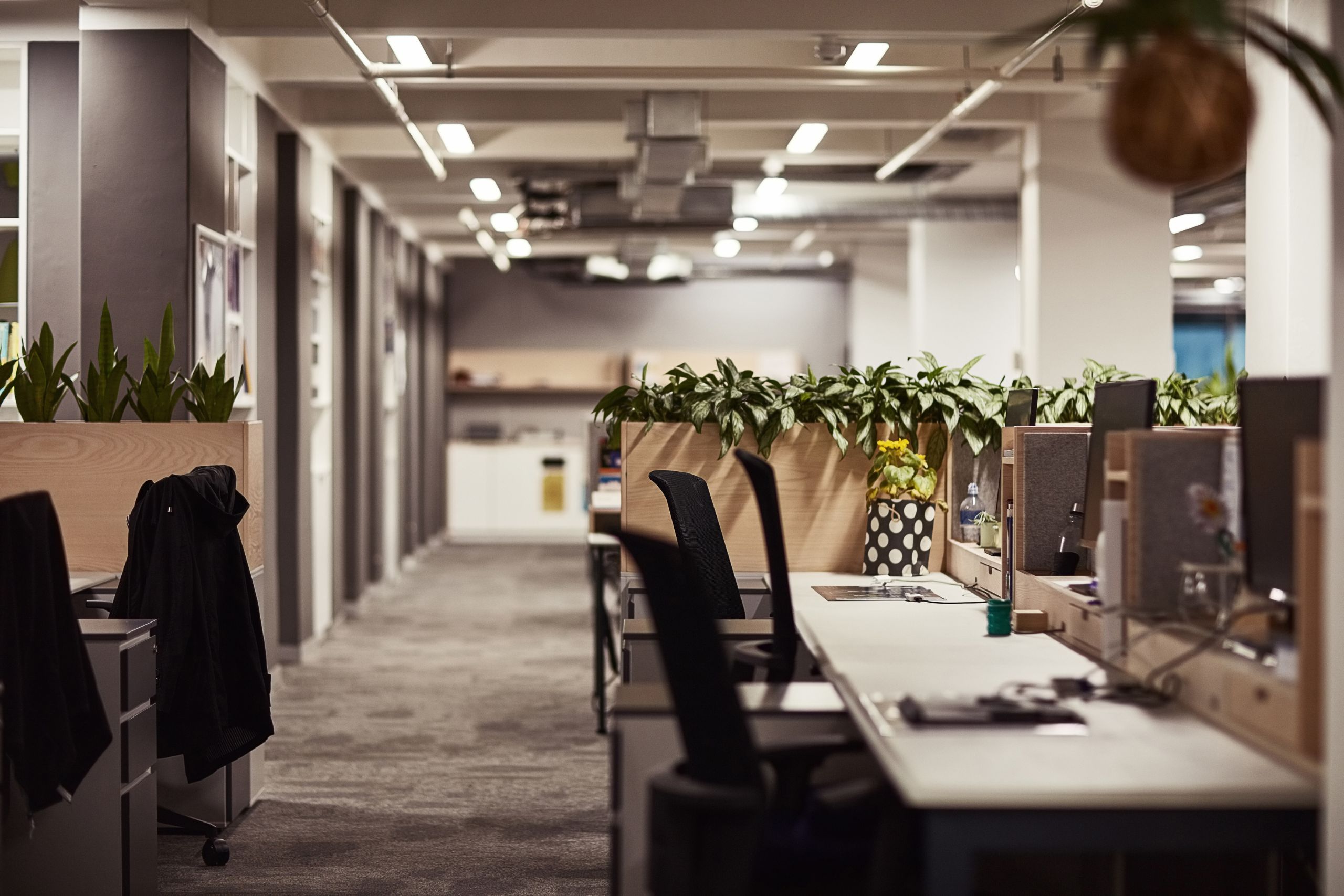
Why Buying Office Furniture Before Planning Your Layout Is a Costly Mistake
When a business decides to set up or refresh an office, one of the first instincts is often to start looking at furniture. Desks, chairs, storage units, and meeting tables feel like tangible, exciting decisions, and browsing catalogues or showrooms can feel like real progress is being made on the project. The problem is that furniture decisions made before a layout has been properly planned are decisions made without the information needed to make them well. A business that buys furniture first is essentially guessing at quantities, sizes, and configurations, and then attempting to fit a layout around those choices afterwards. This sequence is backwards, and it is one of the most common and most costly mistakes businesses make when setting up a new office. The layout should always come first, informed by workplace strategy and how the business actually needs to operate, with furniture decisions following from that plan rather than preceding it. Why the Order of Decisions Matters The sequence in which office decisions are made has a direct impact on the outcome, and this is nowhere more evident than with furniture. A layout defines how many workstations a space can genuinely accommodate, where natural walkways need to exist for people to move comfortably, which areas suit collaborative work and which suit quiet focus, and how meeting rooms, storage, and informal spaces relate to one another. Furniture, by contrast, is simply the physical expression of that plan. When furniture is purchased first, based on a rough estimate of headcount or simply what looks appealing in a catalogue, it frequently does not match the actual dimensions or flow of the space once a proper layout is developed. Desks that seemed like a reasonable size in a showroom can turn out to be too large for the number of workstations a floor can realistically support. Meeting tables chosen for their appearance may not fit through doorways or may overwhelm a room that needed to serve multiple functions. Getting the order right, layout first and furniture second, ensures every purchase is made with full knowledge of exactly how it will be used and where it will go. The Hidden Cost of Guessing at Quantities One of the most immediate financial risks of buying furniture before planning a layout is simply buying the wrong amount. Businesses often estimate desk quantities based on current headcount without accounting for how hybrid working patterns, hot desking arrangements, or planned growth will actually affect how many workstations are needed. This can result in a business purchasing far more desks than the finished layout can accommodate, leaving expensive furniture sitting unused in storage, or purchasing too few, requiring a second, often more expensive, order once the shortfall becomes apparent. The same problem applies to storage units, soft seating, and meeting room furniture, all of which are far easier to specify accurately once a layout has determined exactly how many of each item a space genuinely requires and where they will be positioned. A proper layout process removes this guesswork entirely, replacing it with a precise specification based on the actual number of workstations, meeting rooms, and breakout areas the finished office will contain. Furniture That Does Not Fit the Space Beyond simply buying the wrong quantity, businesses that purchase furniture before finalising a layout frequently end up with pieces that do not physically fit the space as intended. A boardroom table that looks proportionate in a furniture showroom can dominate a meeting room once installed, leaving no room for people to move around it comfortably or for screens and presentation equipment to be positioned properly. Desking systems purchased without knowing the final floor plan may not align with power and data points that have already been installed, forcing costly rework of cabling and electrical points to match furniture that was never designed with that specific space in mind. Storage units bought based on a general sense of what the office might need can end up blocking natural walkways once the final layout is drawn, or fail to provide storage where it is actually required because that need only becomes clear once departments and workflows have been properly mapped onto the space. In each of these cases, the cost is not simply the wasted furniture spend. It is the additional cost of correcting the layout around furniture that was never meant to define it, or the ongoing cost of working in a space that never quite functions as smoothly as it should. Why Workplace Strategy Should Set the Foundation Workplace strategy exists precisely to prevent this kind of costly sequencing error. A proper workplace strategy process begins by understanding how a business actually operates, how many people need to be accommodated, what mix of focused work, collaboration, and client facing activity the space needs to support, and how the business is likely to grow or change over the coming years. Only once these questions have been answered does it make sense to move into a detailed layout, translating that strategic understanding into an actual floor plan showing where desks, meeting rooms, breakout areas, and storage will sit. Furniture selection is the final step in this process, not the first, because it is only at this point that a business knows precisely what it needs. A desk specification developed after the layout is finalised can be matched exactly to the number and size of workstations required, the meeting room furniture can be selected to fit the exact dimensions of each room, and storage can be positioned and sized based on genuine departmental needs rather than a general estimate made months earlier without this information. The Role of AI and Data in Getting the Sequence Right Modern workplace planning increasingly uses AI powered tools and occupancy data to inform layout decisions before a single piece of furniture is chosen, which makes the sequencing problem even easier to avoid than it once was. These tools can model different layout scenarios based on real headcount data, projected growth, and how similar
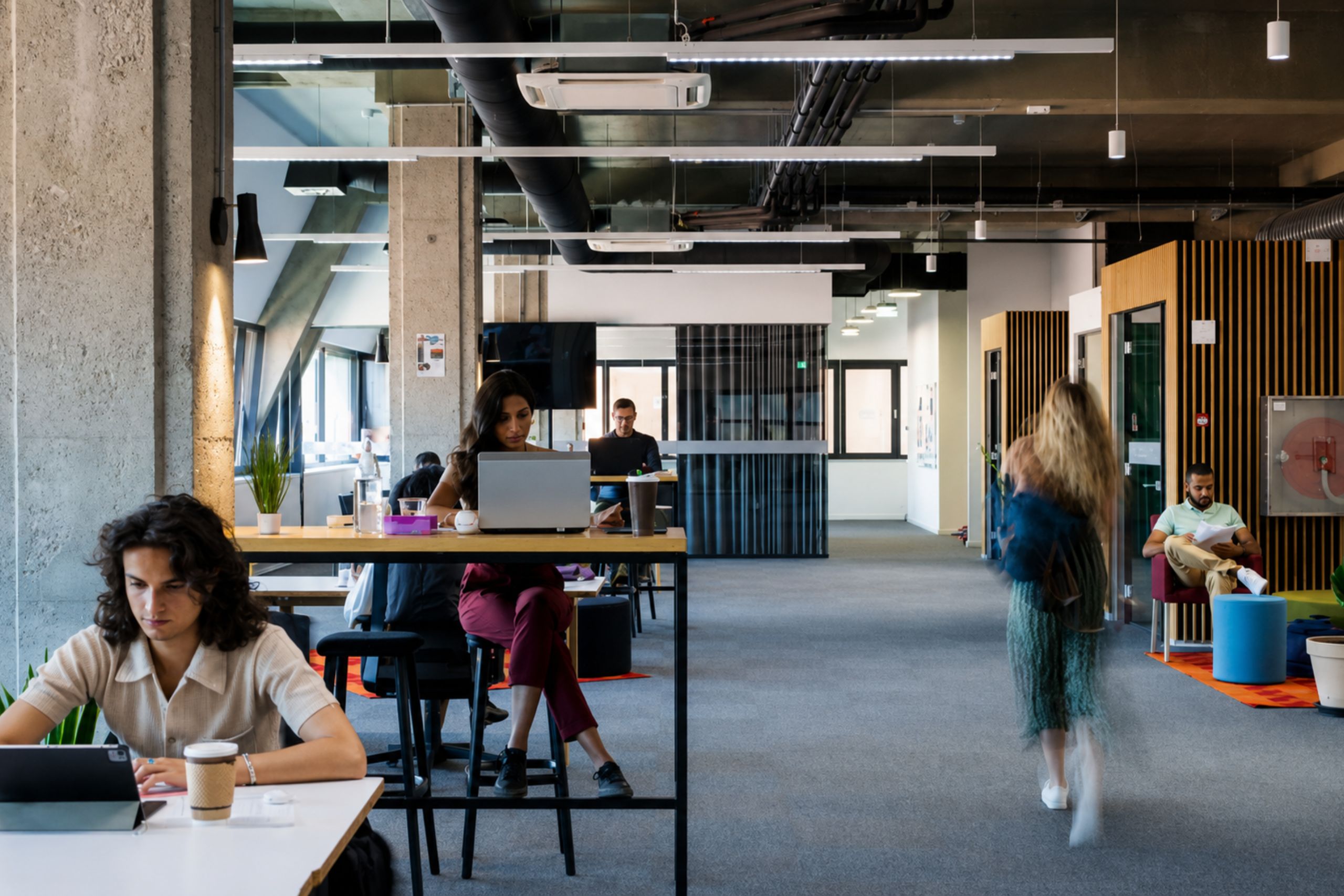
Why Empty Space Isn’t Always Wasted Space in Modern Offices
Walk into almost any office and you will find areas that are not being used at any given moment. A meeting room sitting empty on a Tuesday afternoon. A corner near a window with nothing in it. A section of open floor that never quite gets filled with desks. The instinctive reaction for many business owners and facilities managers is to see this as waste. Space is expensive, rent is calculated per square metre, and an area that is not actively occupied can feel like money being left on the table. This reaction, while understandable, is often based on a misunderstanding of what office space is actually meant to do. Not every square metre in a well designed office needs to be filled with desks or constant activity to be delivering value. In fact, some of the most effective modern workplaces are the ones that have deliberately built in space that appears empty most of the time, because that space is doing important work the moment it is needed, and its absence would be felt immediately if it were removed. The Difference Between Empty Space and Wasted Space There is an important distinction between space that is empty and space that is wasted, and understanding this distinction is central to good space planning. Wasted space is space that serves no purpose at all, an awkward leftover area with no clear function, a room nobody uses because it was never designed with a real purpose in mind, or square metres that were included in a layout simply because they existed and nobody thought carefully about what to do with them. Empty space, on the other hand, can be entirely intentional. A quiet room that sits unused for most of the week but is exactly where an employee goes when they need to take a confidential call or simply need a break from an open plan environment is not wasted, even though it might be empty ninety percent of the time. The same applies to breakout areas, informal collaboration zones, and even circulation space that gives people room to move comfortably rather than feeling cramped. The test is not how often a space is occupied. The test is whether the space is serving a clear purpose when it is needed, and whether removing it would genuinely harm how the business operates day to day. Why Businesses Default to Filling Every Space Many businesses feel pressure to fill every available square metre with desks, storage, or meeting rooms, often driven by a straightforward calculation about cost per employee or cost per square metre. This thinking made more sense in an era when office design was primarily about fitting as many workstations as possible into a given footprint. However, the way people actually use offices has changed substantially, particularly since the shift toward hybrid working arrangements became widespread. Desks that are occupied five days a week by every employee are increasingly rare. Many businesses now operate with occupancy rates well below full capacity on any given day, which means the traditional logic of maximising desk count no longer reflects how the space is genuinely being used. Continuing to design offices as though every desk needs to be full at all times, in a world where that is simply not how modern teams operate, often results in businesses cramming in more workstations than they need while starving the office of the collaboration space, quiet areas, and informal zones that actually support how people work today. What Empty Space Is Actually Doing Deliberately designed empty space performs several functions that are easy to overlook because they are not visible in the way a full desk or a busy meeting room is visible. It provides acoustic relief, giving noise from conversations and calls somewhere to dissipate rather than bouncing around a tightly packed floor and creating a constantly loud environment that makes focused work difficult. It provides flexibility, since a business that has left some room to breathe in its layout can accommodate a new hire, a temporary project team, or a reorganised department without needing to undertake a costly renovation every time circumstances change. It provides psychological comfort, since research into workplace wellbeing consistently shows that employees feel less stressed and more able to concentrate in spaces that do not feel overcrowded, even if they cannot always articulate why a particular office feels more comfortable than another. It also provides a buffer for growth, meaning a business that plans a small amount of unallocated space into its office from the outset is far better positioned to absorb natural headcount growth without needing to relocate or renovate again within a year or two of moving in. None of these functions require the space to be constantly occupied to be valuable. They require the space to exist and to be available at the moment it is genuinely needed. The Cost of Over Densifying an Office It is worth considering what happens when a business goes in the opposite direction and attempts to eliminate all empty space in the name of efficiency. Over densified offices, where every available metre has been filled with desks or storage, frequently suffer from a range of problems that end up costing the business far more than the rent saved by cramming more into a smaller footprint. Noise levels increase to the point where employees struggle to concentrate or take calls without disturbing colleagues nearby. Meeting rooms become scarce and are booked out weeks in advance, forcing teams to have important conversations in corridors or over video calls even when they are sitting in the same building. Employees report feeling crowded and stressed, which has measurable effects on retention and productivity over time. Perhaps most importantly, a business that has filled every available inch of its office has no room to adapt when circumstances change, whether that means a new team being formed, a client visit requiring private meeting space at short notice, or simply a shift in how the business wants to

Why Flexible Office Design Is Essential for South African Businesses
For many businesses across Johannesburg and Gauteng, the workplace has become one of the biggest operational investments they make. Commercial rental costs continue to rise, employee expectations have evolved, and hybrid working has fundamentally changed how office space is used. Yet many organisations are still operating from workplaces designed around the way they worked ten or even twenty years ago. Meeting rooms sit empty for large parts of the day, oversized boardrooms are rarely filled, and valuable floor space is dedicated to single purpose areas that struggle to adapt as the business grows. The challenge facing South African businesses is no longer simply finding enough office space. It is making sure every square metre contributes to productivity, collaboration and long-term business performance. The organisations that are getting the greatest value from their workplaces are no longer asking how many desks they can fit into an office or how many meeting rooms they need. Instead, they are asking how every space can support multiple business functions while remaining adaptable as their organisation evolves. This shift has transformed flexible office design from a workplace trend into a strategic business decision. Businesses that invest in adaptable workspaces are finding they can respond more easily to changing team structures, new technologies and future growth without the disruption and expense of frequent renovations or office relocations. At Tridyum, workplace strategy always comes before design. Every commercial office project begins by understanding how a business operates, how its people work and where the organisation is heading before layouts, finishes or furniture are considered. Supported by AI powered workplace planning and backed by practical industry expertise, this approach allows businesses across South Africa to make informed decisions that create workplaces designed not only for today, but for the future as well. Why South African Businesses Are Rethinking Office Design The traditional office was built around certainty. Departments remained largely unchanged, employees worked from the office every day, and workplaces were expected to perform the same function for many years. As a result, offices were designed around dedicated spaces with clearly defined purposes. Boardrooms hosted meetings, kitchens were simply places to prepare lunch, and individual offices reflected organisational hierarchy rather than operational efficiency. That model no longer reflects the reality of how many South African businesses operate. Teams collaborate differently, technology has reduced the need for fixed workstations, and hybrid working has changed how employees use office space throughout the week. At the same time, businesses are under increasing pressure to maximise the return on every commercial property investment. In Johannesburg and across Gauteng, where office space represents a significant business expense, organisations cannot afford to dedicate valuable floor space to rooms that remain underutilised for much of the day. Rather than viewing office design as a once off project, forward thinking businesses are beginning to see it as part of their overall business strategy. Flexible office design allows organisations to create environments that support collaboration, focused work, client engagement and employee wellbeing while remaining adaptable as business priorities change. Instead of redesigning offices every few years, businesses are investing in workplaces that can evolve alongside them, protecting both their operational efficiency and their long-term investment. The Most Important Question to Ask Before Planning an Office Fit Out One of the biggest mistakes businesses make when planning an office fit out is designing their workplace around their immediate requirements without considering how those needs may change over the coming years. It is understandable why this happens. Business owners are often focused on solving today’s challenges, accommodating current staff numbers or meeting an upcoming relocation deadline. However, an office fit out is a long-term investment, and decisions made during the planning stage will influence how effectively the workplace performs for many years after construction has been completed. Before considering layouts, furniture or finishes, every business should ask a simple question: “How will our workplace need to support the business over the next five years?” The answer influences almost every design decision that follows. Future recruitment, changing technologies, evolving client expectations and new ways of working all have the potential to reshape how office space is used. Planning for these changes from the outset allows businesses to avoid unnecessary alterations, reduce future costs and create workplaces that remain relevant as the organisation grows. This is where workplace strategy delivers real commercial value. Rather than relying on assumptions, businesses can evaluate different workplace scenarios before construction begins. At Tridyum, AI powered workplace planning makes it possible to visualise multiple layout options, assess circulation patterns, understand how departments interact and identify opportunities to improve collaboration long before any physical work starts. Combining this technology with practical workplace expertise enables businesses to make confident decisions based on how people actually work rather than how office spaces have traditionally been designed. How One Space Can Deliver Multiple Business Benefits One of the clearest examples of flexible office design can be seen in the way businesses are rethinking shared spaces such as kitchens, breakout areas and informal collaboration zones. Historically, these spaces were designed with a single purpose in mind. Kitchens were somewhere employees made coffee, breakout areas were used during lunch breaks, and collaborative spaces were often considered secondary to the main office environment. While these functions remain important, businesses are increasingly recognising that these areas have the potential to deliver far greater value when they are planned strategically. For organisations across Johannesburg and South Africa, where every square metre contributes to operating costs, creating spaces that support multiple business functions makes sound commercial sense. A breakout area can comfortably transition from an informal meeting space to a client networking event, internal training session or company celebration without requiring additional dedicated facilities. Likewise, a well-designed kitchen can become a central hub that strengthens company culture, encourages spontaneous collaboration and supports employee wellbeing, all while maintaining its practical day to day purpose. Creating these adaptable environments requires far more than selecting attractive furniture or contemporary finishes. Flexible workplaces are the result of careful planning

The Questions Every Business Should Answer Before Designing a New Office
Designing a new office is often treated as a design exercise first and a business decision second. A business decides it needs a new space, calls in designers or contractors, and moves fairly quickly into discussions about layouts, finishes, and furniture. The problem with this approach is that office design decisions made without a clear business rationale behind them tend to be expensive to correct later, and in many cases they end up reflecting how a business used to operate rather than how it actually needs to operate going forward. Before a single layout is drawn or a single mood board is created, there is a set of questions every business should be answering honestly about itself. These questions determine whether the resulting office genuinely supports the business or simply looks good without solving the problems it was meant to solve. This is the essence of workplace strategy, and increasingly, it is a process that benefits enormously from combining human expertise with AI powered planning tools that remove much of the guesswork from early stage decisions. What Is the Office Actually Meant to Achieve Every office design project should begin with a clear answer to a deceptively simple question. What is this space actually for. Many businesses assume the answer is obvious, but in practice offices are being asked to do very different things depending on the organisation. For some businesses, the office exists primarily to support focused, individual work and needs to minimise distraction above all else. For others, the office is a collaboration and culture hub, designed to bring dispersed or hybrid teams together for the days they are physically present. For client facing businesses, the office often needs to double as a brand experience, communicating credibility and professionalism the moment a visitor walks through the door. For fast growing technology companies, the office might primarily need to support recruitment and retention, acting as a visible signal to prospective employees that the business is stable, ambitious, and worth joining. Without agreement on which of these the space is primarily solving for, design decisions end up being made on instinct rather than strategy, and the result is often a space that tries to do everything and does none of it particularly well. A clear answer to this question, agreed at leadership level before any design work begins, becomes the reference point every later decision can be measured against. How Is the Business Actually Using Space Today Before any new space is planned, it is worth understanding how the current space is genuinely being used, rather than how it was originally intended to be used. Occupancy patterns shift constantly as hybrid work, changing team structures, and evolving client expectations reshape daily behaviour, and most businesses are working from assumptions that are years out of date. A business that assumes it needs a large open plan floor because that is what it has always had may discover, once actual usage is reviewed, that meeting rooms sit empty most of the week while informal collaboration areas are constantly full. This is where AI powered space planning tools have become genuinely useful, since they can analyse real occupancy data and usage trends rather than relying on guesswork or outdated assumptions about how teams work. These tools can track how often desks are actually occupied, which meeting rooms are booked but never used, and where informal gatherings tend to happen that were never designed for in the first place. Understanding actual usage patterns before committing to a new layout prevents businesses from recreating the same inefficiencies in a brand new space simply because that is what feels familiar. It also gives leadership an evidence based starting point for conversations that would otherwise rely entirely on opinion and habit. What Does Growth or Change Look Like Over the Next Few Years A new office is a significant investment, and yet many businesses design purely for their headcount and structure at the moment the project begins, without considering where the business is likely to be in two or three years. Growth plans, hiring forecasts, potential restructuring, and shifts in how teams are expected to work should all inform the layout and infrastructure decisions made today. A space that cannot flex as the business changes tends to force another disruptive relocation or renovation far sooner than expected, which is often more costly and disruptive than simply planning further ahead in the first place. Businesses that answer this question honestly, even when the answer involves some uncertainty, are far better positioned to design a space that remains functional well beyond the day it opens. This might mean designing modular workstations that can be reconfigured without major construction, choosing a floor plate that allows for future expansion into adjoining space, or simply avoiding highly specific, difficult to repurpose layouts in favour of something more adaptable. The businesses that get this right are rarely the ones with the most accurate five year forecast. They are the ones who built enough flexibility into the design that the forecast being wrong does not matter as much. What Technology and Infrastructure Does the Business Actually Rely On Office design decisions are frequently made before technology and infrastructure requirements are properly understood, which creates friction later in the process. The number of power points needed at each desk, the placement of server rooms or network cabinets, video conferencing requirements for hybrid meetings, and the specific software or systems different departments depend on all need to inform the layout from the earliest planning stages, not be retrofitted once the design is largely finalised. Businesses that fail to answer this question early often end up with a beautifully designed space that is genuinely difficult to work in day to day, because the practical realities of how people actually use technology were never properly built into the plan. This extends beyond obvious items like desks and meeting rooms. Print and scan stations, quiet rooms for confidential calls, charging infrastructure for shared devices, and even the acoustic

Moving Offices in Gauteng? Avoid These Costly Relocation Mistakes
An office relocation may seem straightforward at first glance. You pack up, move the equipment, set up in a new space, and resume operations. In reality, office moves are among the most complex transitions a business can undertake, and businesses that treat them as a simple logistical task are often the ones who end up facing the biggest delays and the highest costs. In Gauteng’s fast moving commercial environment, office relocations involve far more than logistics. Businesses must navigate lease agreements, landlord reinstatement obligations, IT infrastructure planning, supplier coordination, and strict timelines that often cannot be delayed without financial consequences. A poorly managed move can result in unnecessary downtime, unexpected costs, and operational disruption that affects employees and clients alike. Even well established businesses with experienced management teams tend to underestimate how many moving parts are involved until the process is already underway and problems begin to surface. Whether your business is expanding into a larger footprint, downsizing to a more efficient space, or simply upgrading to a better location, understanding the most common relocation mistakes can help you avoid delays, reduce costs, and ensure a smooth transition into your new office environment. Underestimating Lease and Reinstatement Obligations One of the most costly mistakes businesses make during an office relocation is failing to fully understand their lease obligations before the move even begins. Most commercial leases in Gauteng include strict reinstatement clauses, meaning tenants are required to return the office to its original condition before handing back the keys. In practice, this can involve removing partitions and internal structures, restoring flooring and ceilings, repairing wall finishes, and removing any branded or installed fixtures that were added during the tenancy. Office reinstatement is frequently underestimated, and businesses that leave it until the final weeks of a lease often find themselves under enormous pressure to complete the work quickly. This pressure tends to drive costs up and limits which contractors are actually available on short notice. Understanding these requirements early in the process, ideally as soon as a move is being considered, is essential to avoid financial penalties, disputes with landlords, and last minute operational stress that could otherwise have been planned for months in advance. Poor Office Move Planning and Timeline Management Office relocations fail most often because of inadequate planning rather than any single catastrophic error. Many businesses assume they can coordinate the move internally without a structured project plan, only to discover that commercial relocations involve multiple phases that all need to work together. Design and space planning of the new office, furniture procurement and installation, IT and network infrastructure setup, phased move execution, and reinstatement of the old office all need to be sequenced correctly. Without a clear plan guiding these activities, they tend to overlap or conflict with one another, resulting in delays and unnecessary downtime. In Gauteng, where the business environment is highly competitive, even a single day of downtime can have a measurable financial impact on a company’s operations and client relationships. A structured relocation plan, built well before the move date, ensures that each phase is sequenced correctly and aligned with the realities of how the business actually operates day to day. Ignoring IT Infrastructure and Connectivity Requirements Modern businesses rely heavily on digital infrastructure, yet IT planning is one of the areas most often left until far too late in the relocation process. Common issues include delayed internet installation, a server room that has not been properly planned for in the new layout, insufficient power points across workstations, poor cable management, and network layouts that do not match how teams actually work. These oversights can leave employees walking into an office that looks physically ready but is operationally unusable for the first days or even weeks. IT infrastructure should be integrated into the relocation plan from the very beginning, rather than treated as a final installation task once the furniture is already in place. Close coordination between the design team, the construction team, and IT specialists is essential to ensure the business can continue operating without interruption once the move takes place. Managing Too Many Suppliers Without Coordination Office relocations typically involve a wide range of service providers working at the same time, including furniture suppliers, contractors, IT technicians, cleaning services, removal companies, and the landlords or building managers on both ends of the move. When there is no central point of coordination between these parties, communication breakdowns become common, and they tend to show up as delayed installations, misaligned schedules, duplicated work, cost overruns, and a general lack of accountability when something goes wrong. The core risk in an unmanaged relocation is that no single party is actually responsible for the overall outcome, which means small issues are left unresolved until they become expensive ones. This is where professional project management becomes genuinely valuable, since a single point of coordination ensures that every supplier is aligned to the same timeline, communication flows in one direction rather than several, and issues are resolved quickly rather than being passed between parties. Underestimating the Impact of Downtime on Business Operations Downtime is one of the most significant hidden costs of any office relocation, and it is often the cost businesses think about least until they are already experiencing it. Even short periods of disruption can affect client communication, sales activity, internal productivity, and service delivery timelines in ways that are difficult to reverse once trust or momentum has been lost. Many businesses focus almost entirely on the physical move itself and overlook the operational impact of being partially or fully offline during the transition. A well planned relocation includes a phased execution strategy that allows parts of the business to keep operating while other departments transition into the new space, which significantly reduces the overall disruption. Reducing downtime should be treated as a primary objective of any relocation strategy from the outset, rather than an afterthought once the move is already underway. Choosing a New Office Without Considering Future Growth Relocations are often triggered
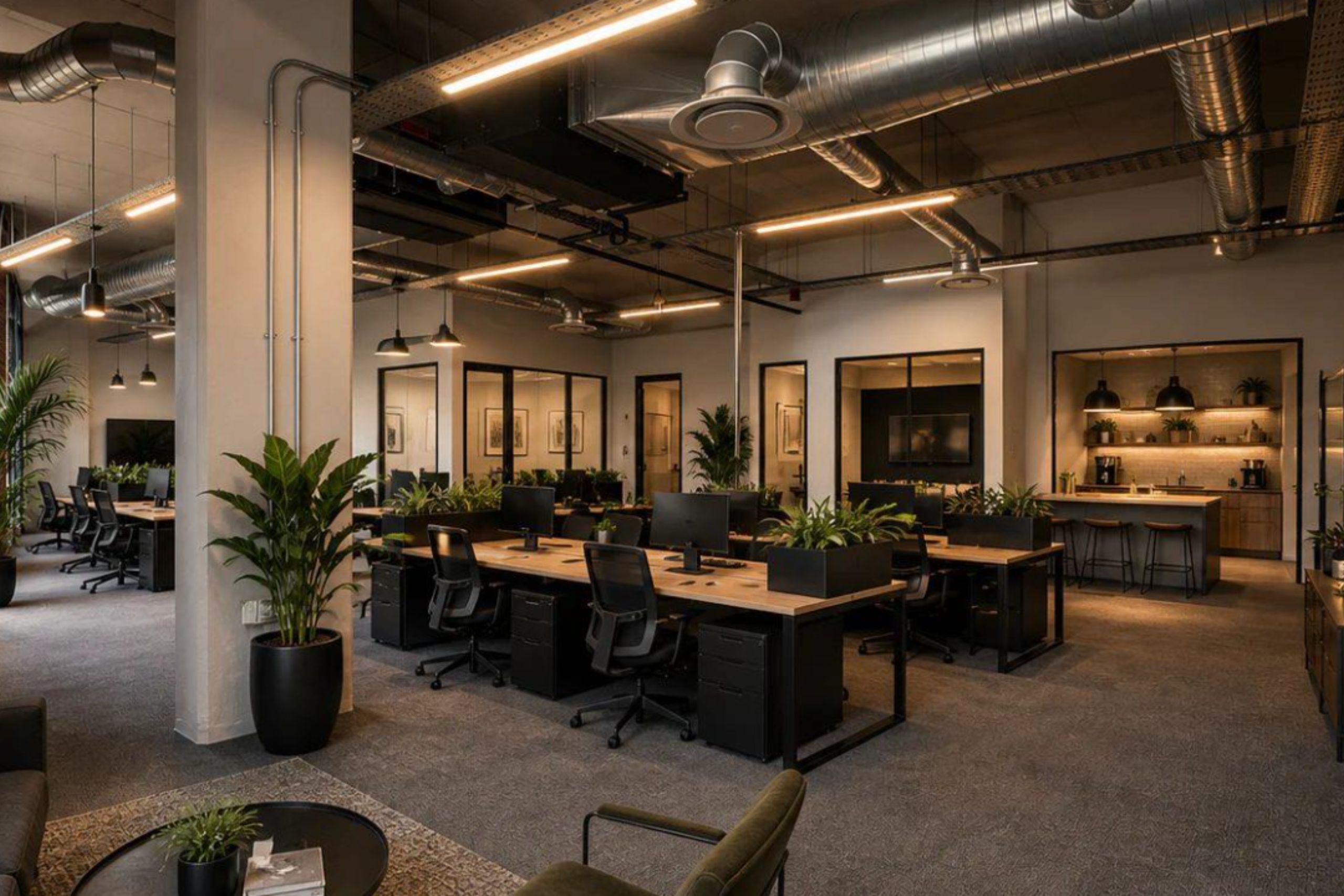
How Your Office Design Shapes Brand Identity and Client Perception in South Africa
When a potential client walks into your office, they begin forming an opinion about your business long before a single word is spoken. The reception area, lighting, materials, layout, and overall atmosphere all contribute to an immediate impression of your company’s professionalism, stability, and credibility. In competitive business environments such as Johannesburg, Sandton, and other Gauteng commercial hubs, this first impression can influence whether a deal moves forward or quietly fades away. Office design is no longer just about aesthetics or functionality. It has become a direct extension of brand identity. A well-designed workplace communicates who you are as a business. It reflects your values, your attention to detail, and the standard of work clients can expect from you. On the other hand, an outdated or poorly considered office can unintentionally weaken trust, even if the business itself delivers exceptional services. This is why modern organisations are increasingly investing in office design as a strategic tool for shaping perception, strengthening brand identity, and creating memorable client experiences. First Impressions Begin Before the Meeting Starts The moment a client enters your office, they are already evaluating your business. Before they meet your team or review your proposal, they are subconsciously assessing: How organised the business appears Whether the environment feels professional If the company reflects modern standards Whether they feel confident doing business with you First impressions are formed within seconds, and office design plays a central role in shaping them. A cluttered, outdated, or poorly lit reception area can create doubt, even if your service delivery is strong. In contrast, a well-designed entrance space immediately communicates competence, structure, and credibility. This is why reception design is one of the most important elements of workplace branding. Reception Design as a Brand Statement The reception area is the physical introduction to your brand. It is not just a waiting space. It is a strategic communication tool. Modern corporate office design in Johannesburg is increasingly focused on creating reception areas that feel intentional, welcoming, and aligned with brand identity. Key design elements include: Feature lighting that highlights architectural details Clean, minimal reception counters Subtle brand integration rather than heavy branding Comfortable seating that reflects company culture At Tridyum, reception design is approached as a brand storytelling opportunity. It sets the tone for everything that follows within the workplace experience. Colour Psychology and Emotional Perception Colour has a powerful psychological impact on how people perceive a space and, by extension, a business. Different colour palettes communicate different brand attributes: Deep blues and greys often suggest stability and professionalism Earth tones communicate warmth and approachability Black and monochrome palettes suggest sophistication and precision Accent colours can highlight creativity and innovation In South African corporate environments, businesses are moving away from overly sterile white offices and towards more layered, intentional colour schemes. When applied correctly, colour supports brand identity without overwhelming the space. It subtly reinforces how a company wants to be perceived. Brand Storytelling Through Interior Designt Office design is one of the most effective ways to tell your brand story without words. Every material, surface, and spatial decision contributes to this narrative. For example: A law firm may choose structured layouts, dark timber finishes, and muted tones to communicate authority and trust. A creative agency may use open layouts, bold textures, and expressive materials to reflect innovation and energy. The key is consistency. When design choices align with brand values, the office becomes a physical representation of the business identity. This alignment helps clients understand not only what you do, but how you do it. Material Selection and Perceived Value Materials play a critical role in shaping perception. Clients may not consciously analyse finishes, but they do register quality, texture, and attention to detail. Common premium design elements in modern office interiors include: Timber slat walls that add warmth and texture Fluted glass partitions that balance privacy and transparency Feature lighting that creates depth and focus Acoustic wall panels that combine function with design Matte black detailing for a modern, refined finish These materials contribute to a sense of professionalism and permanence. They signal that the business is established, detail-oriented, and invested in quality. In contrast, outdated or mismatched finishes can unintentionally suggest neglect or lack of attention. Signage Integration Without Overpowering the Space Branding in office design should feel integrated, not imposed. Overly bold or repetitive branding can make a space feel more like a sales environment than a professional workplace. Instead, effective workplace branding uses subtle integration: Embossed logos on reception walls Minimalist directional signage Consistent typography across spaces Branded colour accents within furniture or partitions The goal is to reinforce identity without distracting from the overall experience of the space. When done correctly, signage becomes part of the architecture rather than an add-on. Meeting Room Design and Client Confidence Meeting rooms are where key business decisions happen. As such, they play a crucial role in shaping client confidence. A well-designed meeting space communicates preparedness, professionalism, and capability. Key considerations include: Comfortable yet structured seating arrangements Acoustic control to ensure privacy Integrated technology for seamless presentations Balanced lighting for focus and comfort Subtle branding elements that reinforce identity In many cases, clients will judge the quality of your business based on the quality of your meeting environment. A thoughtfully designed meeting room supports stronger communication and more confident decision-making. The Role of Office Design in Client Trust Trust is not built through visuals alone, but design plays a significant supporting role. A well-designed office creates an environment where clients feel: Confident in your professionalism Comfortable in discussions Reassured by your attention to detail Aligned with your level of quality In competitive markets such as Johannesburg and Sandton, where multiple businesses may offer similar services, perception can become a deciding factor. Office design therefore becomes a strategic business tool, not just an interior consideration. Why Brand-Aligned Office Design Matters for Growth As businesses grow, their brand identity evolves. However, many workplaces do not evolve
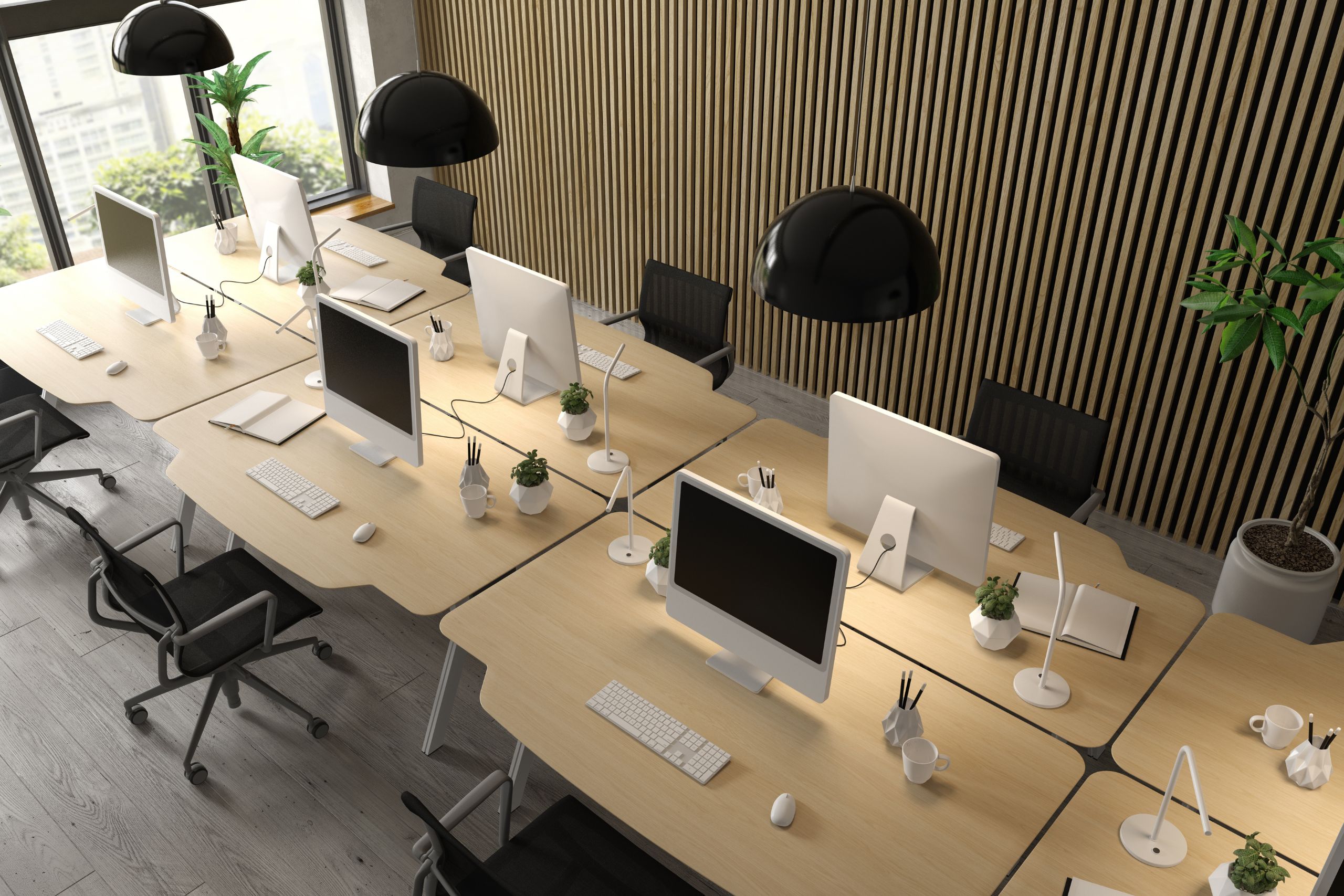
Office Design Trends South African Businesses Are Investing in for 2026
Walk into many corporate offices in South Africa today and you will notice a clear divide. Some workplaces still feel rigid, outdated, and heavily corporate, while others feel open, flexible, and intentionally designed to support how people actually work. This gap is widening as businesses in Gauteng and across the country rethink what their offices should achieve. It is no longer enough for a workplace to simply house employees. Offices are now expected to attract talent, support hybrid work, reflect brand identity, and improve productivity. As a result, office design in 2026 is shifting away from traditional layouts and towards more human-centred environments. Businesses are investing in furniture, finishes, and spatial layouts that create comfort, flexibility, and collaboration while still maintaining professionalism and operational efficiency. For companies planning an office upgrade, renovation, or fit out, understanding these trends is essential. The right design decisions can influence how teams perform, how clients perceive the business, and how effectively space is used over time. The Shift from Corporate Offices to Human-Centred Workplaces One of the strongest movements in office design is the shift away from rigid corporate layouts towards environments designed around people. Traditional offices were built for hierarchy and efficiency, with rows of desks, closed offices for management, and large formal boardrooms. While this structure supported past work models, it no longer reflects how modern teams operate. Today, employees move between focused work, collaboration, virtual meetings, and informal discussions throughout the day. This requires a more flexible environment that supports multiple work styles within the same space. South African businesses are increasingly redesigning offices to include a balance of: Quiet zones for focused work Collaborative spaces for teamwork Informal breakout areas Flexible meeting rooms This human-centred approach is becoming a key driver of office design decisions, particularly in competitive sectors where attracting and retaining talent is critical. Hospitality-Inspired Office Design Is Becoming the Standard One of the most noticeable trends in 2026 is the influence of hospitality design on commercial interiors. Instead of sterile, purely functional environments, businesses are creating offices that feel welcoming, comfortable, and experience driven. The goal is to make employees feel like they belong in the space rather than simply occupy it. This includes softer seating, lounge-style breakout areas, warm lighting, and textured materials that create a more relaxed atmosphere. Reception areas are also being redesigned to feel more like boutique hotel lobbies rather than traditional corporate entrances. This immediately shapes client perception and reinforces brand identity from the moment someone walks in. For South African businesses competing for talent, this shift is particularly important. A well-designed office can influence whether employees want to return to the workplace or remain remote. Office Furniture Is Becoming Modular and Multi-Purpose Office furniture is no longer static or single purpose. Businesses are increasingly investing in modular furniture systems that can be reconfigured as needs change. This is especially relevant in Gauteng, where companies often experience fluctuating team sizes and hybrid work patterns. Key furniture trends include: Mobile desks and workstations Modular seating systems Height-adjustable work surfaces Reconfigurable meeting tables Acoustic furniture pods These solutions allow businesses to adapt their office layout without major renovations or disruption. Furniture procurement is now being approached as a long-term investment rather than a once-off purchase. This aligns closely with Tridyum’s Office Furniture and Procurement service, where functionality, durability, and flexibility are prioritised alongside design. Biophilic Design and Natural Materials Are Gaining Momentum Another strong trend in South African office design is the use of natural materials and biophilic principles. Businesses are increasingly incorporating elements that connect employees to nature, even in dense urban environments like Johannesburg and Sandton. This includes: Timber finishes Indoor plants and green walls Natural textures such as stone and wood Increased natural light Earth-toned colour palettes These design choices are not only aesthetic. They contribute to employee wellbeing, reduce stress levels, and create a more calming work environment. In South Africa’s high-pressure business environment, these design elements are becoming an important part of workplace strategy rather than just visual styling. Acoustic Design Is Now a Core Requirement, Not an Add-On As open-plan offices remain popular, noise control has become one of the most important design considerations. Businesses are increasingly investing in acoustic solutions to improve concentration and reduce distractions. This includes: Acoustic wall panels Sound-absorbing ceiling systems Upholstered furniture Acoustic meeting pods Zoned workspace layouts Poor acoustics are one of the most common complaints in modern offices. Addressing this issue directly improves productivity and employee satisfaction. Tridyum integrates acoustic planning into both Office Design and Space Planning services to ensure functionality is considered from the start of every project. Brand Identity Is Driving Design Decisions More Than Ever Office design is no longer just about aesthetics. It is now a direct extension of brand identity. Businesses are using their physical environments to communicate: Professionalism Innovation Stability Creativity Company culture This is achieved through carefully selected materials, colour palettes, spatial layout, and lighting design. For example, a corporate law firm may prioritise clean lines, neutral tones, and structured layouts, while a creative agency may opt for bold colours, open collaboration zones, and informal meeting areas. In both cases, the office becomes a physical representation of the brand experience. This is where Office Design and Workplace Strategy work together to ensure alignment between business goals and physical environment. The Role of Office Design in Employee Retention One of the most overlooked benefits of good office design is its impact on employee retention. In competitive industries, employees are more likely to stay with organisations that provide comfortable, well-designed workplaces. A poorly designed office can contribute to: Low morale Reduced productivity Increased absenteeism Difficulty attracting new talent In contrast, a thoughtfully designed workplace can improve engagement and strengthen company culture. For South African businesses dealing with skills shortages, this has become a critical consideration. Combining Design, Furniture, and Strategy for Better Results The most successful office projects in 2026 are not driven by design alone. They combine: Workplace
Office Fit Out vs Office Renovation: What’s the Difference in South Africa?
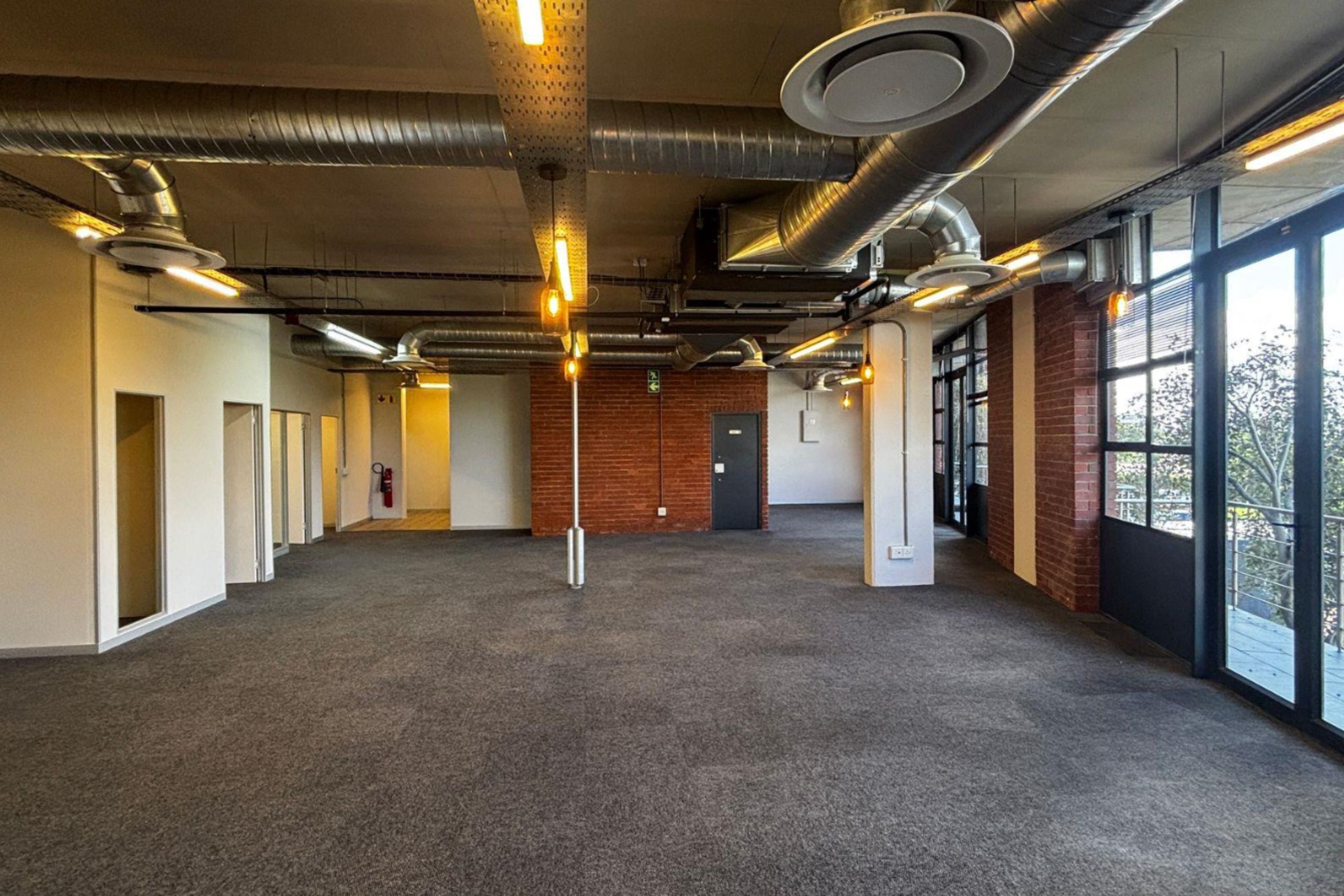
Many business owners use the terms office fit out and office renovation interchangeably. While both involve improving a workplace, they are not the same thing. Understanding the difference can help businesses budget more accurately, plan realistic timelines, and choose the right solution for their needs. This distinction becomes particularly important when relocating to a new office, expanding operations, renewing a lease, or modernising an outdated workspace. Choosing the wrong approach can result in unnecessary costs, project delays, and missed opportunities to improve how employees work. Across Gauteng and the rest of South Africa, organisations are increasingly reassessing their workplaces to support hybrid work, attract talent, strengthen company culture, and improve operational efficiency. Whether you’re moving into a new premises or transforming an existing one, knowing whether you require an office fit out or an office renovation is the first step towards a successful project. What Is an Office Fit Out? An office fit out refers to transforming an empty or partially completed commercial space into a functional workplace. In many cases, landlords provide a space in a basic condition. While the building may have essential services such as lighting, air conditioning, and electrical infrastructure, the interior often lacks the elements required for day-to-day business operations. A fit out creates the workplace from the ground up. This may include: Space planning and workplace strategy Partitioning and meeting rooms Flooring installation Ceiling modifications Lighting upgrades Furniture procurement Reception areas Collaboration spaces Branding elements Technology integration The goal is to convert a vacant shell into an office that supports the business’s operational requirements and reflects its brand identity. Office fit outs are most common when businesses relocate into new premises or occupy newly developed commercial buildings. What Is an Office Renovation? An office renovation involves improving, upgrading, or reconfiguring an existing workplace. Unlike a fit out, the office is already occupied or operational. The focus is typically on modernisation, improving functionality, accommodating growth, or enhancing the employee experience. Renovations can vary significantly in scale. Some projects involve cosmetic updates such as replacing flooring, repainting walls, upgrading furniture, or introducing new finishes. Others may include significant layout changes, demolition, construction work, and infrastructure upgrades. Businesses often undertake renovations when: The office feels outdated Teams have grown Workstyles have changed Employee collaboration is limited Brand identity has evolved Hybrid working requires different spaces A renovation seeks to improve what already exists rather than creating a workplace from scratch. The Key Differences Between a Fit Out and a Renovation Although both services improve workplaces, their objectives are fundamentally different. A fit out begins with a largely empty space and focuses on creating a functional office environment. The project starts with workplace strategy and space planning before progressing into construction and furnishing. A renovation starts with an existing office. The objective is to improve, modernise, or reconfigure the current workplace without necessarily rebuilding everything from the beginning. Another important difference is project complexity. Fit outs often provide greater design flexibility because there are fewer existing constraints. Renovations require careful consideration of existing infrastructure, occupied workspaces, and operational continuity. Understanding these distinctions helps businesses make informed decisions about budgets, timelines, and project scope. How Workplace Strategy Influences Both Approaches One of the biggest mistakes organisations make is focusing on finishes and furniture before understanding how their teams actually work. Whether undertaking a fit out or renovation, workplace strategy should guide every decision. A workplace strategy process examines factors such as: Team structures Collaboration requirements Hybrid work policies Client interaction needs Future growth plans Technology requirements Without this foundation, businesses risk investing in spaces that look impressive but fail to support productivity and operational goals. At Tridyum, workplace strategy often forms the starting point of both fit out and renovation projects because successful workplaces are built around people, not simply floor plans. SUCCESSFUL WORKPLACES START WITH A CLEAR WORKPLACE STRATEGY Current Office Design Trends Influencing Workplace Projects Whether planning a fit out or renovation, South African businesses are increasingly looking beyond traditional corporate design. Today’s workplaces prioritise flexibility, comfort, and employee experience. One noticeable trend is the move towards hospitality-inspired environments. Rather than sterile offices filled with rows of desks, businesses are creating welcoming spaces that encourage collaboration and informal interaction. Natural materials continue to gain popularity. Timber finishes, textured wall surfaces, and biophilic design elements help create warmer, more engaging environments. Acoustic solutions are also becoming essential. As open-plan offices remain common, businesses are investing in acoustic wall panels, ceiling treatments, and furniture solutions that improve concentration and reduce noise distractions. Flexible meeting spaces are replacing large boardrooms that often sit empty. Organisations are choosing adaptable environments that can accommodate different types of work throughout the day. These trends are influencing both renovations and fit outs across Gauteng as businesses seek to create workplaces that support modern workstyles. SEE HOW LEADING BUSINESSES ARE DESIGNING WORKPLACES PEOPLE WANT TO RETURN TO Flooring Choices That Can Transform an Office Flooring is often underestimated, yet it plays a significant role in both aesthetics and functionality. Traditional commercial carpeting remains popular in certain environments, particularly where acoustics are important. However, many businesses are exploring alternative options. Luxury vinyl flooring has become increasingly common due to its durability, low maintenance requirements, and wide range of finishes. Many products successfully replicate timber, concrete, or stone while offering practical benefits for commercial environments. Polished concrete continues to feature in contemporary workplace designs, particularly for creative businesses seeking an industrial aesthetic. Carpet tiles remain a strong option because damaged sections can be replaced individually, reducing long-term maintenance costs. The right flooring choice should balance aesthetics, durability, acoustics, maintenance requirements, and budget considerations. How Brand Identity Should Influence Your Workplace An office is often one of the most powerful physical representations of a business. Clients, employees, partners, and prospective recruits all form impressions based on the workplace environment. For this reason, brand identity should play an important role in both fit out and renovation projects.