
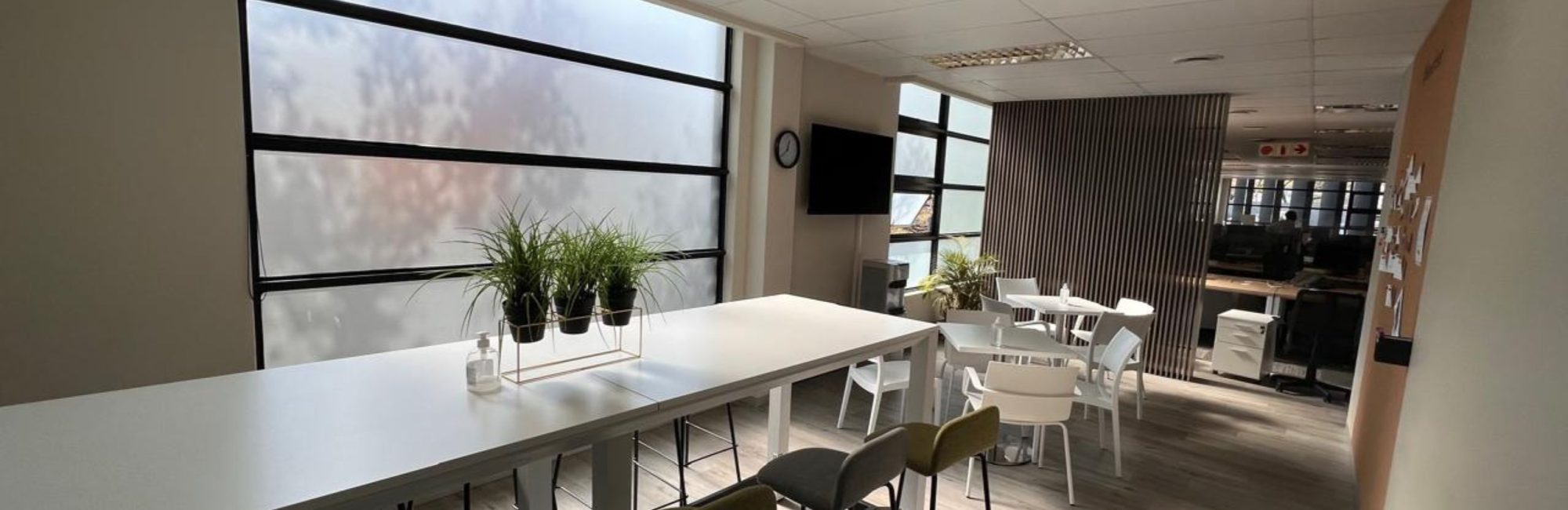
Furniture is often the most visible investment in a commercial office environment.
When a visitor enters a workplace, attention is drawn to the reception desk, the boardroom table and the quality of the seating across open plan areas. These elements shape perception immediately. They communicate brand maturity, operational confidence and cultural intent.
In most fit out projects, furniture represents a significant portion of the total budget. Decisions made during procurement influence not only aesthetics but also performance, employee wellbeing and long term operational cost. A considered approach is therefore essential.
Furniture as a Business Asset
Furniture is frequently viewed as a finishing layer applied toward the end of a project. In reality, it functions as operational infrastructure.
Workstations influence productivity levels. Seating affects physical health. Meeting tables shape collaboration patterns. Reception environments define first impressions for clients and partners. Research published by the International Facility Management Association demonstrates a clear link between workplace environments and organisational efficiency. Ergonomic design in particular has measurable impact on comfort and performance.
Viewing furniture as an asset rather than a decorative component shifts procurement strategy toward long term value.
Understanding Cost Beyond Initial Price
Procurement decisions often focus on the lowest available quotation. While budget discipline is important, evaluating furniture purely on upfront cost can create greater expense over time.
Lower priced items may involve reduced material durability, limited warranty coverage or restricted servicing support. Replacement cycles become shorter. Maintenance interruptions increase. The apparent saving at purchase stage may translate into higher lifecycle expenditure.
True value considers durability, manufacturer support, availability of replacement components and performance longevity. A seating system designed to perform consistently for eight to ten years offers stronger financial efficiency than one requiring replacement within three years.
Lifecycle thinking strengthens cost control.
The Strategic Role of Local Sourcing
South Africa’s commercial furniture industry has evolved considerably in recent years. Local manufacturers now deliver competitive quality, improved sustainability standards and responsive production timelines.
One of the most significant advantages of local sourcing is greater programme certainty. Reduced dependence on international logistics lowers exposure to shipping delays and customs processes. Lead times are generally more predictable when suppliers operate within the same economic environment as the project.
Local production also enables greater adaptability. Minor design adjustments, fabric changes or dimensional refinements can often be accommodated more efficiently. This flexibility supports smoother coordination during construction phases.
Exchange rate volatility is another factor. Procuring locally reduces exposure to currency fluctuations that may alter final project cost. Supporting regional supply chains further strengthens resilience within the built environment sector.
Local sourcing provides control, flexibility and stability.
When Global Sourcing Adds Value
International suppliers remain relevant in specific contexts. Certain specialised ergonomic systems, executive collections and innovative modular platforms are more readily available through established global manufacturers.
Global brands frequently invest heavily in research and development, particularly in sustainable materials and advanced workplace systems. For projects requiring distinctive design identity or large scale standardisation across multiple locations, international sourcing may offer strategic advantage.
Global procurement does, however, introduce complexity. Extended production cycles, shipping coordination and customs clearance must be planned carefully. Exchange rate movements may affect final cost projections. Early specification confirmation becomes critical when imported goods form part of the project scope.
Effective integration into the broader construction programme reduces exposure to these variables.
Lead Times and Programme Alignment
Furniture procurement has the potential to disrupt construction schedules when not managed proactively.
Imported products may require production and transit periods extending beyond twelve weeks. Even locally manufactured items require early engagement to secure manufacturing capacity. Delayed specification approval can place pressure on later installation phases.
Programme alignment ensures that furniture arrives at the appropriate stage of site readiness. Installation should coincide with completion of finishes and service integration. Coordinated sequencing protects occupation dates and operational launch timelines.
Procurement planning must therefore be embedded within the master project schedule from early design stages.
Workplace Trends Influencing Procurement Decisions
Workplace expectations continue to evolve. These shifts influence how furniture is selected and specified.
Hybrid working models remain prevalent. Research from Gartner indicates that flexible work structures continue to shape corporate real estate strategies. This development increases demand for adaptable furniture systems capable of reconfiguration without structural alteration.
Ergonomics has moved to the forefront of procurement criteria. The World Health Organization identifies musculoskeletal conditions as a leading contributor to workplace health challenges globally. Height adjustable desks and supportive seating are increasingly viewed as essential risk mitigation measures rather than optional enhancements.
Sustainability considerations are equally prominent. Many organisations now require documentation verifying responsible sourcing, recyclable materials and low emission finishes. Transparent environmental credentials form part of supplier evaluation processes.
Technology integration also influences specification decisions. Furniture must accommodate power access, cable management and collaborative technology systems seamlessly within the workspace.
Managing Risk Within Procurement
Furniture procurement intersects with financial, operational and reputational risk. Currency shifts can alter budgets. Production delays can affect installation sequencing. Inconsistent finishes can compromise design cohesion.
Risk management requires structured supplier vetting, clear contractual agreements and ongoing quality verification. Sample approvals prior to bulk production reduce the likelihood of discrepancies. Continuous communication with manufacturers ensures that timelines remain aligned with site progress.
Treating procurement with disciplined oversight strengthens overall project integrity.
Aligning Design Intent with Commercial Practicality
Design ambition must remain balanced with budget and programme realities. Certain specifications may appear visually compelling yet introduce excessive lead times or maintenance complexity.
Collaboration between design leadership and procurement specialists supports informed decision making. Early evaluation of availability, durability and cost implications protects both aesthetic objectives and commercial feasibility.
Furniture should enhance the design narrative while remaining practical and sustainable over time.
A Balanced Approach to Sourcing
Successful procurement rarely depends exclusively on either local or international supply. A balanced approach often produces the strongest outcome.
High visibility zones such as reception areas or executive boardrooms may justify premium international selections. Open plan environments and collaborative spaces may benefit from locally manufactured systems offering durability and cost efficiency.
Strategic blending allows innovation where impact is greatest and resilience where consistency is essential.
Integrated Delivery
At Tridyum, furniture procurement is integrated within the overall project delivery structure. Specifications are confirmed early; supplier engagement aligns with construction milestones and lead times are mapped against installation phases.
Continuous budget monitoring ensures transparency. Quality reviews occur prior to handover. Installation coordination aligns furniture placement with service integration and final finishes.
This structured approach protects programme certainty and design integrity simultaneously.
Visible Investment, Measured Performance
Furniture defines how a workplace performs and how it is perceived. Decisions made during procurement influence comfort, productivity and long term operational cost.
A disciplined strategy considers lifecycle value rather than initial price alone. Local sourcing provides agility and stability. Global sourcing contributes innovation and scale. Combining both within a structured framework delivers resilience and performance.
Furniture procurement done correctly safeguards investment and supports workplaces designed for enduring success.