
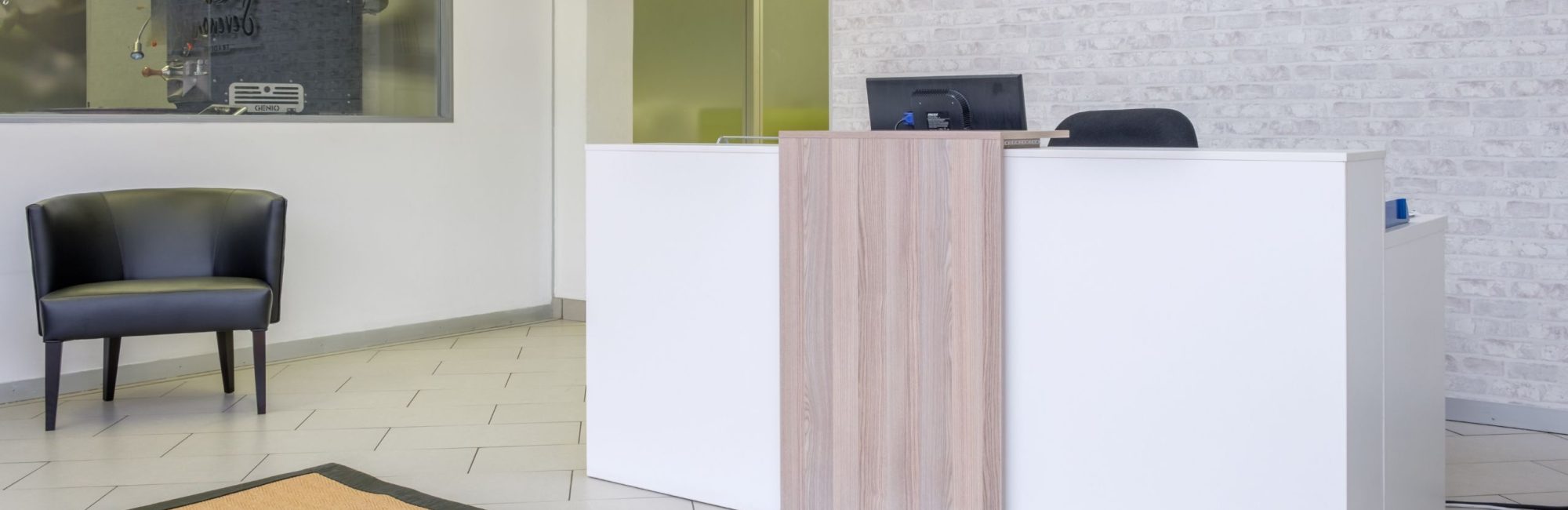
The moment someone enters a workspace, a perception is formed. It happens quickly and often without conscious thought. The reception area is where that perception begins, acting as the physical introduction to a business. It sets expectations, communicates identity, and establishes credibility before a single word is spoken.
Reception is not simply a functional requirement. It is not just a desk positioned near an entrance. It is a carefully considered environment that reflects how a business operates, what it values, and how it wants to be experienced. In a competitive commercial landscape, this first impression plays a critical role in shaping how clients, partners, and visitors perceive an organisation.
Office reception design in South Africa is evolving in response to this understanding. Businesses are recognising that their front-of-house space is an extension of their brand. It is an opportunity to create a meaningful and lasting impression that supports both reputation and relationships.
Reception as a Brand Experience
A reception area introduces a business in a way that no digital platform can replicate. It is tangible, immersive, and immediate. The space communicates tone, professionalism, and intent through design rather than words.
Commercial interior branding begins the moment a visitor steps inside. The scale of the space, the positioning of the reception desk, the choice of materials, and the quality of finishes all contribute to the narrative. These elements work together to create an experience that reflects the organisation’s identity.
A strong reception design aligns with the brand at every level. A corporate environment may emphasise structure, clarity, and refinement. A creative business may introduce more texture, variation, and informality. The key is consistency. The space should feel like a natural extension of the brand rather than a disconnected element.
When reception is approached as an experience, it becomes a strategic tool. It shapes perception, builds trust, and sets the tone for every interaction that follows.
Spatial Hierarchy and First Impressions
Spatial hierarchy is one of the most important aspects of reception design. It determines how a visitor understands and navigates the space. It guides movement and establishes focal points that create clarity and confidence.
A well-designed reception area immediately communicates where to go and what to expect. The reception desk should be clearly visible without overwhelming the space. Circulation paths should be intuitive, allowing visitors to move naturally from entry to interaction.
Height, scale, and proportion all contribute to this hierarchy. Double-volume spaces create a sense of openness and presence. Lower ceilings can introduce intimacy and focus. The relationship between floor, walls, and ceiling defines how the space is experienced.
When spatial hierarchy is considered carefully, the reception area feels organised and intentional. Visitors are not left searching for direction. Instead, they move through the space with ease, reinforcing a sense of professionalism and control.
Material Selection and Perceived Quality
Materials play a powerful role in shaping perception. The textures, finishes, and combinations used in a reception area communicate quality, durability, and attention to detail.
Commercial interior branding is often expressed through material selection. Timber introduces warmth and approachability. Stone conveys permanence and strength. Metal adds precision and modernity. Each material carries an association that influences how the space is interpreted.
The way materials are detailed is equally important. Clean junctions, consistent finishes, and refined edges contribute to a sense of craftsmanship. Poorly executed detailing, on the other hand, can undermine even the most ambitious design.
In office reception design in South Africa, there is a growing emphasis on material layering. Combining textures and tones creates depth and visual interest without overwhelming the space. This approach allows businesses to express identity while maintaining a professional and cohesive aesthetic.
Material quality also affects longevity. Reception areas experience high levels of traffic and use. Durable finishes ensure that the space maintains its integrity over time, protecting both appearance and investment.
Lighting as a Tool for Atmosphere and Focus
Lighting is one of the most influential elements in reception design. It shapes mood, highlights key features, and enhances the overall experience of the space.
Natural light is particularly valuable. It creates a sense of openness and wellbeing, making the space feel more inviting. Where natural light is limited, artificial lighting must be carefully considered to achieve a similar effect.
Layered lighting strategies are essential. Ambient lighting provides overall illumination, while task lighting ensures functionality at the reception desk. Accent lighting highlights feature walls, signage, and architectural details, drawing attention to key elements.
The integration of lighting within bulkheads, joinery, and wall features adds a level of refinement that elevates the space. It creates depth and contrast, reinforcing the quality of materials and finishes.
Lighting also influences perception of time and comfort. A well-lit reception area feels welcoming and professional, encouraging visitors to engage with the space rather than pass through it quickly.
Reception Desks as Focal Points
The reception desk is often the central feature of the space. It is where interaction takes place and where first impressions are reinforced through direct engagement.
Designing a reception desk requires careful consideration of proportion, materiality, and functionality. It should be visually prominent without dominating the space. It should align with the overall design language while maintaining its own identity as a focal point.
Height and accessibility are important factors. The desk must accommodate both staff and visitors comfortably, supporting efficient interaction. Storage, technology integration, and workflow should be seamlessly incorporated into the design.
A well-designed reception desk balances aesthetics and function. It becomes a statement piece that reflects the organisation’s brand while supporting daily operations.
Reinforcing Trust and Credibility Through Design
Trust is built through consistency and clarity. When a reception area is well designed, it communicates that the organisation is professional, organised, and detail-oriented.
Visitors interpret the quality of the space as an indicator of the quality of the business. Clean lines, precise detailing, and cohesive design signal reliability and competence. Disjointed layouts or poorly executed finishes can create doubt, even if the organisation itself operates effectively.
Corporate office design trends increasingly emphasise the role of environment in shaping perception. Businesses are investing in reception areas that reflect their standards and values, recognising that first impressions have a lasting impact.
A strong reception design does more than impress. It reassures. It creates confidence in the organisation before any formal interaction begins.
Balancing Aesthetics and Functionality
While visual impact is important, reception areas must also function efficiently. The space should support both staff and visitors, ensuring smooth and comfortable interactions.
Waiting areas should be positioned thoughtfully, offering comfort without disrupting circulation. Seating should be arranged to maintain privacy while allowing visibility of the reception desk.
Technology integration is another key consideration. Visitor management systems, access control, and digital displays should be incorporated seamlessly into the design. These elements should enhance the experience rather than complicate it.
Balancing aesthetics and functionality ensures that the reception area performs effectively while maintaining its visual impact.
The Role of Reception in Commercial Interior Branding
Reception areas are central to commercial interior branding. They provide an opportunity to express identity in a physical and immediate way.
Brand elements such as colour, texture, and signage should be integrated subtly and consistently. The goal is to create an environment that reflects the organisation without feeling overly branded or forced.
The reception space should align with the broader office design, creating a cohesive experience from entry to workspace. This continuity reinforces brand identity and ensures that the environment feels intentional at every level.
In South Africa, businesses are increasingly using reception design as a way to differentiate themselves. A well-executed front-of-house space becomes a competitive advantage, setting the tone for client relationships and internal culture.
Designing for Lasting Impact
First impressions are powerful, but they are also lasting. A well-designed reception area continues to influence perception long after the initial visit.
Clients remember how a space made them feel. Employees carry that experience into their daily work. The reception area becomes a reference point for the organisation’s identity and standards.
Investing in thoughtful reception design ensures that this impression is positive and aligned with business objectives. It creates a space that supports relationships, reinforces brand, and enhances overall experience.
A More Intentional Approach to First Impressions
Office reception design in South Africa is moving towards a more intentional and strategic approach. Businesses are recognising the value of creating environments that reflect who they are and how they operate.
By focusing on spatial hierarchy, material selection, lighting, and brand alignment, reception areas can be transformed into meaningful experiences. These spaces do more than welcome visitors. They communicate identity, build trust, and set expectations.
A well-designed reception is not an isolated feature. It is an integral part of the workplace, connecting brand, culture, and performance in a way that is both immediate and lasting.