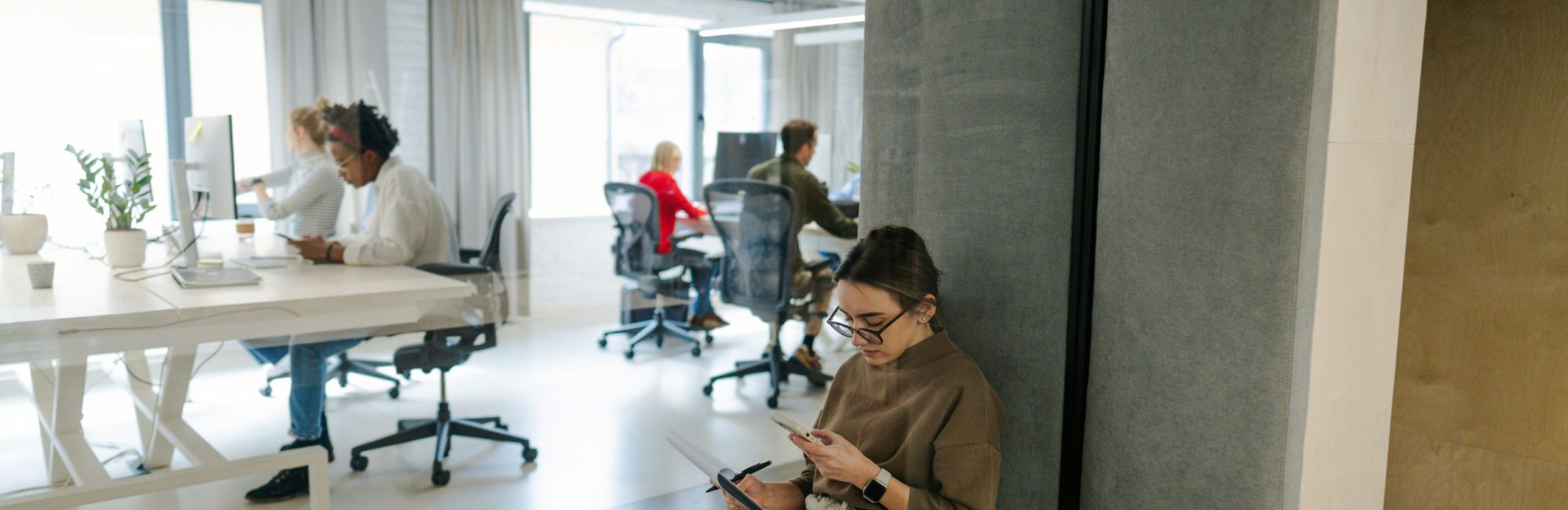
The role of the office has fundamentally changed. What was once a fixed, daily destination has become optional for many employees. Remote work has shifted expectations, and flexibility is no longer considered a benefit but a standard. In this context, the office must evolve from being a place people have to be, into a place they want to be.
Hybrid work has redefined how organisations think about space. It is no longer enough for an office to provide desks and meeting rooms. It must deliver value that cannot be replicated at home. It must support collaboration, strengthen culture, and create meaningful experiences that justify the commute.
Designing for hybrid work requires a deeper understanding of behaviour, movement, and purpose. It is about creating environments that are flexible, engaging, and aligned with how modern teams operate.
The Shift Towards Hybrid Workplace Design in South Africa
Across South Africa, businesses are adapting to hybrid work models that combine remote and in-office time. This shift is not temporary. It reflects a broader transformation in workplace strategy and employee expectations.
Hybrid workplace design in South Africa is becoming a critical focus for organisations looking to remain competitive. Employees now evaluate workplaces not only on salary and benefits, but also on flexibility, environment, and experience. The office plays a key role in this equation.
A well-designed hybrid office supports different work styles and accommodates fluctuating occupancy levels. It allows employees to transition seamlessly between focused tasks, collaborative sessions, and informal interaction.
According to the World Green Building Council, workplaces that prioritise wellbeing, flexibility, and design quality contribute to improved performance and employee satisfaction. This reinforces the importance of designing offices that respond to evolving needs.
From Mandatory Space to Meaningful Destination
The most significant shift in modern workplace strategy is the change in mindset around the office. It is no longer mandatory, which means it must be meaningful.
Employees are no longer willing to commute simply to sit at a desk and perform tasks they could complete remotely. The office must offer something more. It must create opportunities for connection, creativity, and collaboration. It must provide an environment that enhances productivity rather than replicating home conditions.
This requires a move away from static layouts toward dynamic, experience-driven spaces. The office becomes a destination where people engage with colleagues, share ideas, and participate in a culture that cannot exist in isolation.
Flexibility as a Core Design Principle
Flexible office design is central to hybrid workplace success. Traditional layouts with fixed workstations are no longer sufficient to support changing patterns of occupancy and use.
In a hybrid model, not every employee is present at the same time. This creates an opportunity to rethink how space is allocated and used. Instead of assigning permanent desks, organisations can introduce shared workstations, adaptable seating, and multipurpose areas.
Flexibility also extends to how spaces function throughout the day. A meeting room may need to accommodate formal discussions in the morning and collaborative workshops in the afternoon. Breakout areas may serve as informal meeting zones, quiet workspaces, or social hubs depending on demand.
By designing for flexibility, organisations maximise the efficiency of their space while supporting a variety of work styles. This approach aligns with modern workplace strategy and ensures that the office remains relevant as needs evolve.
Designing for Collaboration and Connection
One of the primary reasons employees return to the office is to connect with others. Collaboration is difficult to replicate fully in remote environments, particularly when it involves spontaneous interaction and creative problem-solving.
Hybrid workplace design should prioritise spaces that encourage collaboration. These areas should be easily accessible, visually inviting, and designed to support both formal and informal interaction.
Open collaboration zones, informal seating areas, and well-positioned meeting rooms create opportunities for teams to engage naturally. The layout should reduce barriers to communication and make it easy for employees to connect across departments.
At the same time, collaboration spaces must be balanced with areas for focus. Without this balance, the office can become overwhelming and counterproductive.
Creating Experience-Driven Work Environments
In a hybrid work model, experience becomes a key differentiator. Employees choose to come into the office when the environment offers something valuable and engaging.
Experience-driven design considers how a space feels as well as how it functions. Lighting, materials, acoustics, and spatial flow all contribute to the overall atmosphere. Natural light improves mood and energy levels. Thoughtful material choices create warmth and comfort. Acoustic control reduces distractions and enhances focus.
Reception areas and shared spaces play an important role in shaping first impressions and reinforcing brand identity. These areas should feel welcoming and intentional, reflecting the organisation’s culture and values.
An office that delivers a strong experience encourages employees to spend time there. It becomes a place of energy, interaction, and purpose.
Supporting Focus and Individual Productivity
While collaboration is essential, individual work remains a significant part of the workday. Hybrid offices must provide environments that support focus and concentration.
Quiet zones, enclosed spaces, and well-designed workstations allow employees to complete tasks without interruption. These areas should be separated from high-traffic zones and designed with acoustics in mind.
The ability to choose between collaborative and focused environments gives employees control over how they work. This flexibility improves productivity and reduces frustration.
A balanced office recognises that different tasks require different settings. By providing a range of spaces, organisations support both efficiency and wellbeing.
Technology Integration and Seamless Workflows
Hybrid work relies on technology to connect in-office and remote employees. Office design must support this integration to ensure seamless communication and collaboration.
Meeting rooms should be equipped with reliable conferencing systems that enable effective hybrid meetings. Workstations should provide easy access to power and connectivity. Shared spaces should support digital collaboration tools.
Technology should feel integrated rather than added on. It should enhance the functionality of the space without creating complexity.
A well-designed hybrid office ensures that employees can transition between physical and digital environments without disruption.
Reinforcing Culture Through Design
Culture is often more difficult to maintain in a hybrid work environment. With employees spending less time in the office, the physical space becomes an important tool for reinforcing identity and values.
Design plays a key role in expressing culture. The layout, materials, and overall atmosphere should reflect how the organisation operates and what it stands for.
Spaces that encourage interaction, support collaboration, and create a sense of belonging help maintain strong organisational culture. Employees should feel connected to the business when they are in the office.
This connection is what transforms the office from a functional space into a meaningful environment.
Aligning Hybrid Workplace Design with Business Strategy
Effective hybrid workplace design is aligned with broader business objectives. It supports productivity, enhances employee experience, and strengthens brand identity.
Organisations that approach design strategically are better positioned to adapt to change and remain competitive. The office becomes an asset that contributes to performance rather than a fixed cost.
Flexible office design allows businesses to respond to growth, restructuring, and evolving work patterns without significant disruption. It ensures that the space continues to meet organisational needs over time.
The Future of Workplaces in South Africa
The evolution of hybrid workplace design in South Africa reflects a global shift in how work is understood. Offices are no longer defined by desks and schedules, but by experience, flexibility, and purpose.
Organisations that invest in thoughtful, strategic design create environments that attract talent, support performance, and reinforce culture. They recognise that the workplace is a key component of their overall strategy.
Designing offices that people want to return to is not about following trends. It is about understanding behaviour, anticipating needs, and creating spaces that deliver real value.
A More Intentional Approach to Office Design
Hybrid work has changed expectations permanently. The office must now justify its role in the daily lives of employees.
By focusing on flexibility, collaboration, experience, and performance, organisations can create spaces that are both functional and meaningful. These environments support how people work today while preparing for how they will work in the future.
A well-designed hybrid office does not compete with remote work. It complements it, offering something distinct and valuable.
The result is a workplace that people choose to return to, not because they have to, but because it enhances how they work and connect.