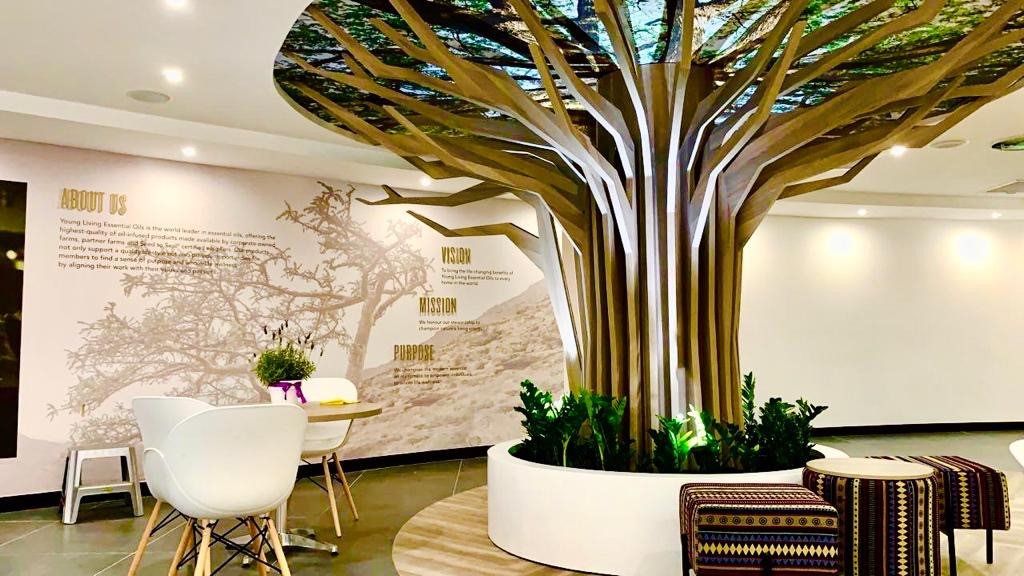
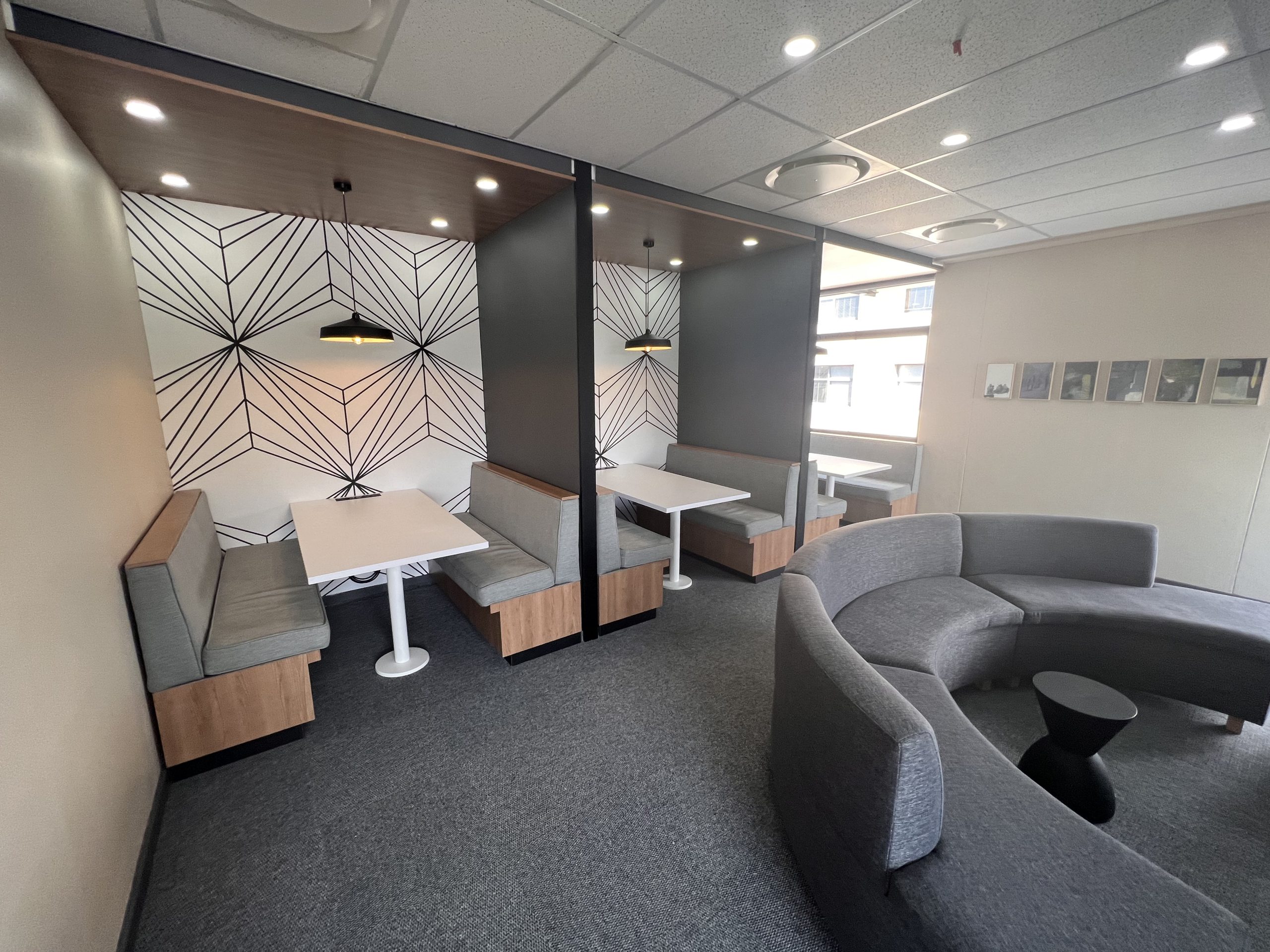
Discovery and clarity We started by spending a day with the client’s leadership and a few team members. We asked simple questions: who needs to focus? who needs to meet? who needs quiet? who needs to be seen? We watched how they used their current space. We listened to the frustrations about meeting rooms double booked and the long walk to the pantry that no one enjoyed. That first day shapes everything. It tells you where to spend time and where to resist the temptation to overdesign. The client wanted a layout that supported collaboration without drowning people in noise. They wanted good daylight in the main workspace, and they wanted meeting rooms that actually worked for video calls. We also walked the new floor and measured everything properly. That sounds boring, but you’d be amazed how many headaches come from a missed column or an odd ceiling height. We logged the realities: the location of the riser, access to services, where the slab dropped, where the sprinklers sat. Those things limit fantasies and force good decisions. Design and planning — fast, but human We let the tech help us here. We ran the initial layout options through our space planning tools to test different desk densities and circulation paths. That gave us options we could show the client in a single meeting. They could see three distinct approaches and choose what matched their priorities that week, not something to argue about for months. Then we layered human judgement on top. The AI did the heavy number-crunching; our designers applied the softer rules: how sunlight would make people feel at lunch, where acoustic panels would make the biggest difference, where a framed print would quietly reinforce the brand without shouting it. We worked in short cycles. Design drafts, client feedback, a tweak, a quick cost check. This iterative rhythm kept the response time short and reduced the usual churn of late changes. The client appreciated seeing renders and a simple itemised costing early. That clarity removed a lot of anxiety. They could make real decisions quickly. Procurement and furniture We selected furniture with three priorities: function, comfort, and durability. The client did not want flimsy pieces that would need replacing in a year. We also took ergonomics seriously. People spend too many hours at desks to ignore the basics. We sourced a mix of standard systems and a few bespoke items. The bespoke pieces were limited and focused where they would count most: the reception joinery, a custom bench in the breakout area, and a handful of acoustic booths that doubled as quiet rooms. Those choices gave the space some character without blowing the budget. Procurement had its usual headaches. Lead times shifted on a couple of items, and we had to re-sequence parts of the programme. We made a clear decision early on: if a long lead item delayed the main work, we would substitute a local alternative and schedule the specific item in a follow-on delivery. The client preferred that; they wanted the workspace usable on day one, even if a few items arrived later. Construction and site work The site came with a decent shell. That helped. Still, the build phase never lacks surprises. A tenant above had noisy works at one stage and we had to adjust some noisy tasks to quieter hours. A contractor discovered a service duct that a previous tenant had rerouted badly. We fixed it, paid attention, and moved on. We kept the client in the loop with direct daily updates when work peaked and clear weekly summaries otherwise. We set expectations about where the work noise would be and for how long. That kind of honest, practical communication reduces friction. People are less annoyed when they know what to expect. We managed trades, ordered materials, scheduled site inspections, and coordinated inspections with the building facilities team. We insisted on finishing trades in focused sequences: MEP first, then ceilings, then slabs and flooring, then joinery. That sequencing is boring but it matters. It keeps the site clean and reduces rework. Acoustics and light — the quiet battles Two items matter more than most: sound and light. On this project the client needed spaces where people could think. The open plan area had good daylight, but it also had a hard floor and high ceiling that created bounce. We addressed that with acoustic panels over the team area and by fitting softer ceiling tiles in key zones. We positioned focused workstations near windows when it made sense, and clustered collaboration spaces where background noise could hide. We installed blinds that let the client tune glare without killing daylight. For lighting, we used layered fixtures: general ceiling lights for even illumination, plus task fittings where people needed them. The client noticed the difference on day two and sent a short note that they no longer dread their afternoon meetings. That matters. Testing and commissioning We ran systems tests before the big day. We tested lighting controls, emergency lighting, access control, AV in the meeting rooms, WiFi and the power distribution under the floor. When something failed, we fixed it. When something worked perfectly, we celebrated quietly. One small thing that matters to people: we labelled circuits, network points, and AV inputs. It seems small until someone needs to reset a screen before a client meeting and actually finds the right switch. That tiny act saves stress and builds confidence. Handover and move in We scheduled the handover to match the client’s move day. We organised a two-day buffer: day one for detailed setup by our team and day two for the client to populate desks and settle into habits. That buffer avoids the rush and the “we missed this” moments. On day one the space looked finished. On day two the client began to adjust. They moved a couple of desks by a meter or two. We expected that. Good layouts allow small tweaks without major cost. We left a snag list and
Kearney
Discovery and clarity We started by spending a day with the client’s leadership and a few team members. We asked simple questions: who needs to focus? who needs to meet? who needs quiet? who needs to be seen? We watched how they used their current space. We listened to the frustrations about meeting rooms double booked and the long walk to the pantry that no one enjoyed. That first day shapes everything. It tells you where to spend time and where to resist the temptation to overdesign. The client wanted a layout that supported collaboration without drowning people in noise. They wanted good daylight in the main workspace, and they wanted meeting rooms that actually worked for video calls. We also walked the new floor and measured everything properly. That sounds boring, but you’d be amazed how many headaches come from a missed column or an odd ceiling height. We logged the realities: the location of the riser, access to services, where the slab dropped, where the sprinklers sat. Those things limit fantasies and force good decisions. Design and planning — fast, but human We let the tech help us here. We ran the initial layout options through our space planning tools to test different desk densities and circulation paths. That gave us options we could show the client in a single meeting. They could see three distinct approaches and choose what matched their priorities that week, not something to argue about for months. Then we layered human judgement on top. The AI did the heavy number-crunching; our designers applied the softer rules: how sunlight would make people feel at lunch, where acoustic panels would make the biggest difference, where a framed print would quietly reinforce the brand without shouting it. We worked in short cycles. Design drafts, client feedback, a tweak, a quick cost check. This iterative rhythm kept the response time short and reduced the usual churn of late changes. The client appreciated seeing renders and a simple itemised costing early. That clarity removed a lot of anxiety. They could make real decisions quickly. Procurement and furniture We selected furniture with three priorities: function, comfort, and durability. The client did not want flimsy pieces that would need replacing in a year. We also took ergonomics seriously. People spend too many hours at desks to ignore the basics. We sourced a mix of standard systems and a few bespoke items. The bespoke pieces were limited and focused where they would count most: the reception joinery, a custom bench in the breakout area, and a handful of acoustic booths that doubled as quiet rooms. Those choices gave the space some character without blowing the budget. Procurement had its usual headaches. Lead times shifted on a couple of items, and we had to re-sequence parts of the programme. We made a clear decision early on: if a long lead item delayed the main work, we would substitute a local alternative and schedule the specific item in a follow-on delivery. The client preferred that; they wanted the workspace usable on day one, even if a few items arrived later. Construction and site work The site came with a decent shell. That helped. Still, the build phase never lacks surprises. A tenant above had noisy works at one stage and we had to adjust some noisy tasks to quieter hours. A contractor discovered a service duct that a previous tenant had rerouted badly. We fixed it, paid attention, and moved on. We kept the client in the loop with direct daily updates when work peaked and clear weekly summaries otherwise. We set expectations about where the work noise would be and for how long. That kind of honest, practical communication reduces friction. People are less annoyed when they know what to expect. We managed trades, ordered materials, scheduled site inspections, and coordinated inspections with the building facilities team. We insisted on finishing trades in focused sequences: MEP first, then ceilings, then slabs and flooring, then joinery. That sequencing is boring but it matters. It keeps the site clean and reduces rework. Acoustics and light — the quiet battles Two items matter more than most: sound and light. On this project the client needed spaces where people could think. The open plan area had good daylight, but it also had a hard floor and high ceiling that created bounce. We addressed that with acoustic panels over the team area and by fitting softer ceiling tiles in key zones. We positioned focused workstations near windows when it made sense, and clustered collaboration spaces where background noise could hide. We installed blinds that let the client tune glare without killing daylight. For lighting, we used layered fixtures: general ceiling lights for even illumination, plus task fittings where people needed them. The client noticed the difference on day two and sent a short note that they no longer dread their afternoon meetings. That matters. Testing and commissioning We ran systems tests before the big day. We tested lighting controls, emergency lighting, access control, AV in the meeting rooms, WiFi and the power distribution under the floor. When something failed, we fixed it. When something worked perfectly, we celebrated quietly. One small thing that matters to people: we labelled circuits, network points, and AV inputs. It seems small until someone needs to reset a screen before a client meeting and actually finds the right switch. That tiny act saves stress and builds confidence. Handover and move in We scheduled the handover to match the client’s move day. We organised a two-day buffer: day one for detailed setup by our team and day two for the client to populate desks and settle into habits. That buffer avoids the rush and the “we missed this” moments. On day one the space looked finished. On day two the client began to adjust. They moved a couple of desks by a meter or two. We expected that. Good layouts allow small tweaks without major cost. We left a snag list and
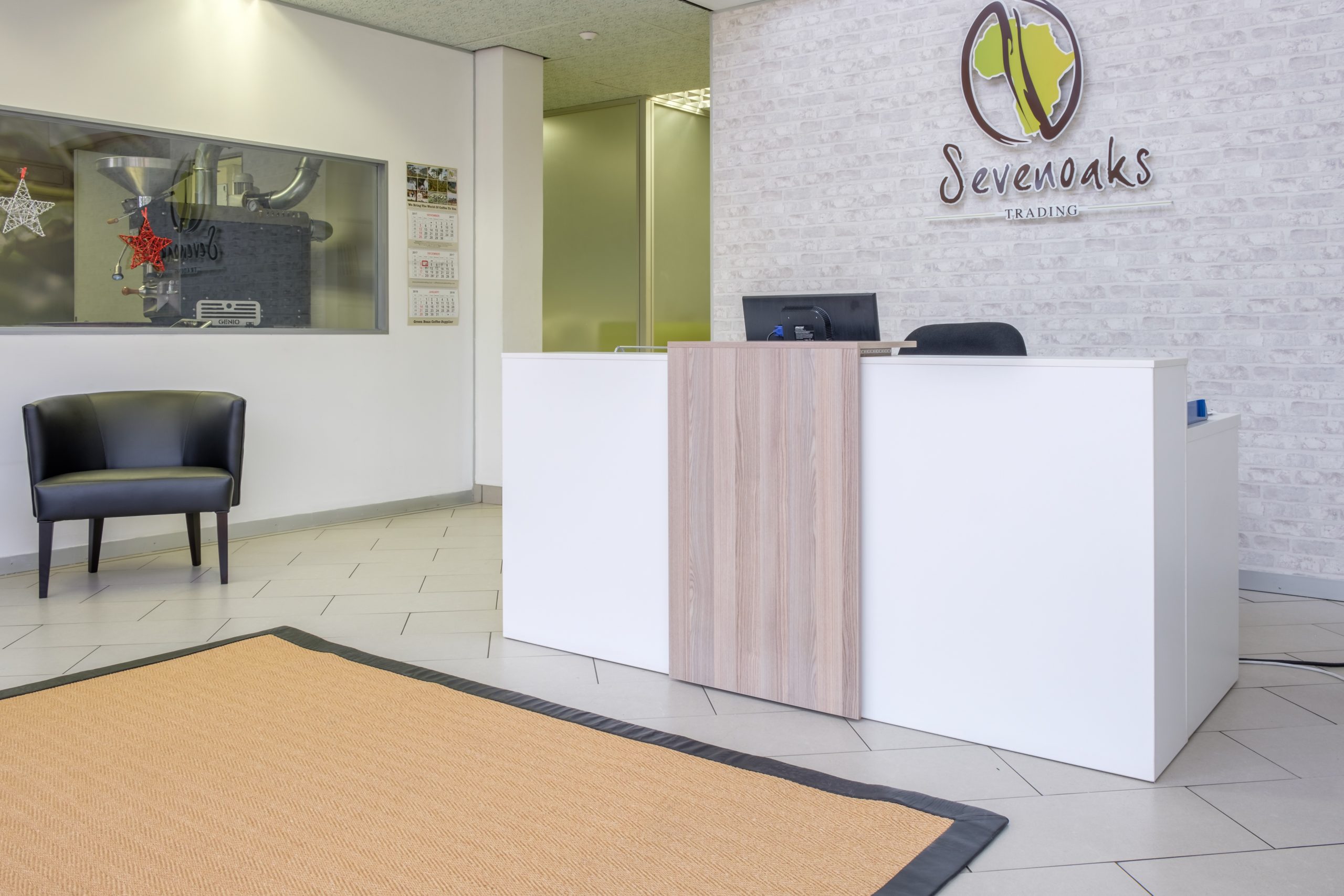
Seven Oaks
Project Case Study — Tenant Fit Out: New OfficesBy Tridyum Interiors We finished a full tenant fit out recently, and it still feels a little like stepping out of a long run: tired, proud, and slightly surprised at how much was achieved. I want to tell you what happened, what went well, what tripped us up, and what the people who moved in said when they finally sat at their new desks. No polish. Just the story. The brief was simple on paper and complicated in practice. The client had signed a lease on a new floor in a central business building. They needed a complete fit out: reception, open plan team area, a mix of focus rooms, meeting rooms of different sizes, a small pantry, and a few private offices for senior staff. They wanted the space to feel modern and usable from day one. They also wanted the project done quickly, because the team had notice on their old lease and a move date locked in. You’ve probably heard the phrase “time is money.” For this client it read more like “time is sanity.” We agreed on a clear deadline and a tight budget. Our job was to design, plan, procure, build, and hand over a fully functioning workspace at that date. That’s the job we like, and also the job that keeps us honest. Discovery and clarity We started by spending a day with the client’s leadership and a few team members. We asked simple questions: who needs to focus? who needs to meet? who needs quiet? who needs to be seen? We watched how they used their current space. We listened to the frustrations about meeting rooms double booked and the long walk to the pantry that no one enjoyed. That first day shapes everything. It tells you where to spend time and where to resist the temptation to overdesign. The client wanted a layout that supported collaboration without drowning people in noise. They wanted good daylight in the main workspace, and they wanted meeting rooms that actually worked for video calls. We also walked the new floor and measured everything properly. That sounds boring, but you’d be amazed how many headaches come from a missed column or an odd ceiling height. We logged the realities: the location of the riser, access to services, where the slab dropped, where the sprinklers sat. Those things limit fantasies and force good decisions. Design and planning — fast, but human We let the tech help us here. We ran the initial layout options through our space planning tools to test different desk densities and circulation paths. That gave us options we could show the client in a single meeting. They could see three distinct approaches and choose what matched their priorities that week, not something to argue about for months. Then we layered human judgement on top. The AI did the heavy number-crunching; our designers applied the softer rules: how sunlight would make people feel at lunch, where acoustic panels would make the biggest difference, where a framed print would quietly reinforce the brand without shouting it. We worked in short cycles. Design drafts, client feedback, a tweak, a quick cost check. This iterative rhythm kept the response time short and reduced the usual churn of late changes. The client appreciated seeing renders and a simple itemised costing early. That clarity removed a lot of anxiety. They could make real decisions quickly. Procurement and furniture We selected furniture with three priorities: function, comfort, and durability. The client did not want flimsy pieces that would need replacing in a year. We also took ergonomics seriously. People spend too many hours at desks to ignore the basics. We sourced a mix of standard systems and a few bespoke items. The bespoke pieces were limited and focused where they would count most: the reception joinery, a custom bench in the breakout area, and a handful of acoustic booths that doubled as quiet rooms. Those choices gave the space some character without blowing the budget. Procurement had its usual headaches. Lead times shifted on a couple of items, and we had to re-sequence parts of the programme. We made a clear decision early on: if a long lead item delayed the main work, we would substitute a local alternative and schedule the specific item in a follow-on delivery. The client preferred that; they wanted the workspace usable on day one, even if a few items arrived later. Construction and site work The site came with a decent shell. That helped. Still, the build phase never lacks surprises. A tenant above had noisy works at one stage and we had to adjust some noisy tasks to quieter hours. A contractor discovered a service duct that a previous tenant had rerouted badly. We fixed it, paid attention, and moved on. We kept the client in the loop with direct daily updates when work peaked and clear weekly summaries otherwise. We set expectations about where the work noise would be and for how long. That kind of honest, practical communication reduces friction. People are less annoyed when they know what to expect. We managed trades, ordered materials, scheduled site inspections, and coordinated inspections with the building facilities team. We insisted on finishing trades in focused sequences: MEP first, then ceilings, then slabs and flooring, then joinery. That sequencing is boring but it matters. It keeps the site clean and reduces rework. Acoustics and light — the quiet battles Two items matter more than most: sound and light. On this project the client needed spaces where people could think. The open plan area had good daylight, but it also had a hard floor and high ceiling that created bounce. We addressed that with acoustic panels over the team area and by fitting softer ceiling tiles in key zones. We positioned focused workstations near windows when it made sense, and clustered collaboration spaces where background noise could hide. We installed blinds that let the client tune glare
Urban Brew Studios
Project Case Study — Tenant Fit Out: New OfficesBy Tridyum Interiors We finished a full tenant fit out recently, and it still feels a little like stepping out of a long run: tired, proud, and slightly surprised at how much was achieved. I want to tell you what happened, what went well, what tripped us up, and what the people who moved in said when they finally sat at their new desks. No polish. Just the story. The brief was simple on paper and complicated in practice. The client had signed a lease on a new floor in a central business building. They needed a complete fit out: reception, open plan team area, a mix of focus rooms, meeting rooms of different sizes, a small pantry, and a few private offices for senior staff. They wanted the space to feel modern and usable from day one. They also wanted the project done quickly, because the team had notice on their old lease and a move date locked in. You’ve probably heard the phrase “time is money.” For this client it read more like “time is sanity.” We agreed on a clear deadline and a tight budget. Our job was to design, plan, procure, build, and hand over a fully functioning workspace at that date. That’s the job we like, and also the job that keeps us honest. Discovery and clarity We started by spending a day with the client’s leadership and a few team members. We asked simple questions: who needs to focus? who needs to meet? who needs quiet? who needs to be seen? We watched how they used their current space. We listened to the frustrations about meeting rooms double booked and the long walk to the pantry that no one enjoyed. That first day shapes everything. It tells you where to spend time and where to resist the temptation to overdesign. The client wanted a layout that supported collaboration without drowning people in noise. They wanted good daylight in the main workspace, and they wanted meeting rooms that actually worked for video calls. We also walked the new floor and measured everything properly. That sounds boring, but you’d be amazed how many headaches come from a missed column or an odd ceiling height. We logged the realities: the location of the riser, access to services, where the slab dropped, where the sprinklers sat. Those things limit fantasies and force good decisions. Design and planning — fast, but human We let the tech help us here. We ran the initial layout options through our space planning tools to test different desk densities and circulation paths. That gave us options we could show the client in a single meeting. They could see three distinct approaches and choose what matched their priorities that week, not something to argue about for months. Then we layered human judgement on top. The AI did the heavy number-crunching; our designers applied the softer rules: how sunlight would make people feel at lunch, where acoustic panels would make the biggest difference, where a framed print would quietly reinforce the brand without shouting it. We worked in short cycles. Design drafts, client feedback, a tweak, a quick cost check. This iterative rhythm kept the response time short and reduced the usual churn of late changes. The client appreciated seeing renders and a simple itemised costing early. That clarity removed a lot of anxiety. They could make real decisions quickly. Procurement and furniture We selected furniture with three priorities: function, comfort, and durability. The client did not want flimsy pieces that would need replacing in a year. We also took ergonomics seriously. People spend too many hours at desks to ignore the basics. We sourced a mix of standard systems and a few bespoke items. The bespoke pieces were limited and focused where they would count most: the reception joinery, a custom bench in the breakout area, and a handful of acoustic booths that doubled as quiet rooms. Those choices gave the space some character without blowing the budget. Procurement had its usual headaches. Lead times shifted on a couple of items, and we had to re-sequence parts of the programme. We made a clear decision early on: if a long lead item delayed the main work, we would substitute a local alternative and schedule the specific item in a follow-on delivery. The client preferred that; they wanted the workspace usable on day one, even if a few items arrived later. Construction and site work The site came with a decent shell. That helped. Still, the build phase never lacks surprises. A tenant above had noisy works at one stage and we had to adjust some noisy tasks to quieter hours. A contractor discovered a service duct that a previous tenant had rerouted badly. We fixed it, paid attention, and moved on. We kept the client in the loop with direct daily updates when work peaked and clear weekly summaries otherwise. We set expectations about where the work noise would be and for how long. That kind of honest, practical communication reduces friction. People are less annoyed when they know what to expect. We managed trades, ordered materials, scheduled site inspections, and coordinated inspections with the building facilities team. We insisted on finishing trades in focused sequences: MEP first, then ceilings, then slabs and flooring, then joinery. That sequencing is boring but it matters. It keeps the site clean and reduces rework. Acoustics and light — the quiet battles Two items matter more than most: sound and light. On this project the client needed spaces where people could think. The open plan area had good daylight, but it also had a hard floor and high ceiling that created bounce. We addressed that with acoustic panels over the team area and by fitting softer ceiling tiles in key zones. We positioned focused workstations near windows when it made sense, and clustered collaboration spaces where background noise could hide. We installed blinds that let the client tune glare
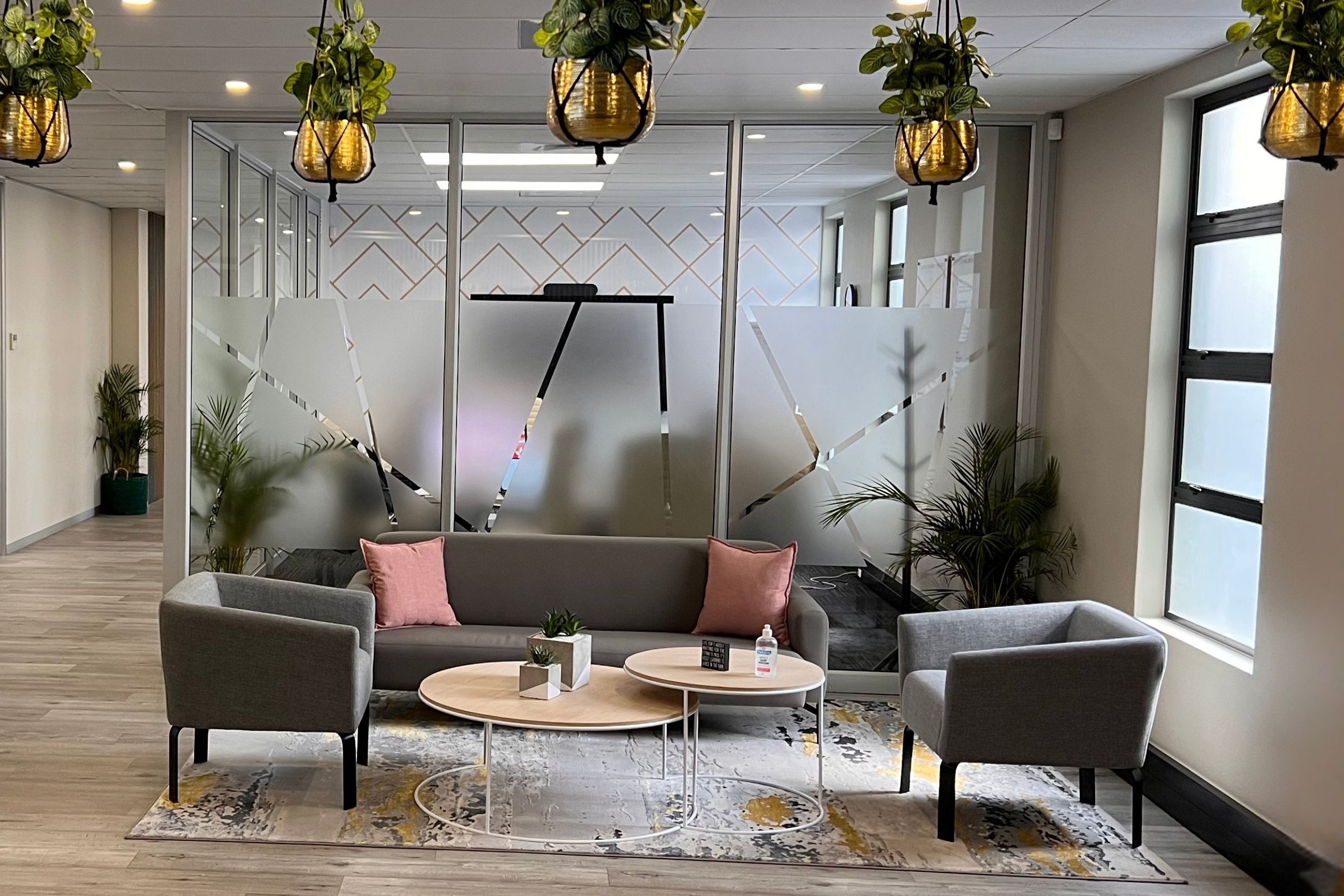
Renovation vs Relocation: When Staying Makes More Sense
Relocating an office can feel like a fresh start, but it also comes with hidden costs, downtime, and disruption. At Tridyum Interiors, we help businesses look beyond the surface to find the smartest, most strategic path forward. In many cases, renovating your current workspace delivers all the benefits of a new office — improved efficiency, a refreshed image, and a reenergized cultur without the logistical and financial strain of moving. The True Cost of Moving Relocation isn’t just about rent. It involves new lease negotiations, fit-out costs, moving logistics, IT setup, downtime, and the inevitable period of adjustment for staff. For growing businesses, those costs can climb fast, not only in money, but in momentum. A well-planned renovation can achieve the same transformation at a fraction of the cost and disruption. Renovation: Smarter, Faster, More Sustainable When you stay in place, you retain the infrastructure that already works, mechanical systems, IT cabling, and utilities, while upgrading the elements that truly impact performance: layout, lighting, finishes, and flow. Our AI-driven design process allows us to reimagine your existing space intelligently. We analyze your current layout, identify underused zones, and reconfigure them for collaboration, focus, and wellbeing giving your team a workspace that feels entirely new without needing to move walls or change your address. Cultural Continuity Matters Moving can unsettle teams, fragment culture, and disrupt established ways of working. Renovation lets you build on your company’s existing energy and identity, keeping the location your people know, the commute they’re used to, and the sense of belonging they’ve built. We design spaces that strengthen culture, not reset it. When Moving Still Makes Sense There are times when relocation is the right choice, for example, when your current space no longer supports your growth or when location becomes a barrier for clients or staff. That’s where our team’s expertise across workspace strategy, design, and construction helps you make a clear, data-informed decision. Whether you stay or move, we’ll ensure your next step supports your long-term vision. The Tridyum Perspective Our role is to bring clarity. We’ll evaluate your space, quantify the options, and give you side-by-side comparisons of renovating versus relocating, including cost, timeline, and operational impact. So you can make the right call for your business, your people, and your future. A Better Way Forward Renovation isn’t just about making do, it’s about making better. With the right design approach and the right team, staying where you are can unlock more value, more creativity, and more productivity than you thought possible.

The Psychology of Space: How Design Impacts Productivity and Wellbeing
The Psychology of Space: How Design Impacts Productivity and Wellbeing By Tridyum Interiors Every workspace tells a story — not just through its furniture and finishes, but through how it makes people feel. The layout, light, colour, and sound of an office all shape how people think, focus, and connect. This is the psychology of space — the powerful relationship between environment, behaviour, and performance. At Tridyum Interiors, we believe a well-designed workspace doesn’t just look good; it works beautifully for the people who use it. Our approach combines AI-driven spatial intelligence with the artistry of human creativity to design offices that boost both productivity and wellbeing. Here’s how the spaces we create influence how people feel, think, and perform — and why getting it right is essential for every modern business. 1. The Mind at Work: Why Space Matters Human behaviour is deeply affected by environment. We all respond to visual and spatial cues — whether it’s feeling calm in an open, light-filled space or tense in a cramped, noisy one. In workplaces, those responses translate directly into energy, focus, and motivation.A cluttered or poorly lit office increases stress and fatigue. A balanced, well-planned space supports concentration and creativity. When you understand how people experience their surroundings, you can design environments that naturally encourage engagement, clarity, and wellbeing. That’s where design becomes a business tool — not just an aesthetic one. 2. Space Planning and Mental Flow How we move through a space affects how we think. Good design creates a sense of flow — the feeling of moving easily and purposefully from one area to another. It’s not just about physical movement, but mental rhythm. At Tridyum, we use AI-assisted planning to analyse how people use space — entry points, natural pathways, and high-traffic zones — and then design layouts that feel intuitive and energising. The result? Offices that minimise friction and distraction.Spaces that allow people to shift smoothly between focus, collaboration, and rest. This sense of spatial flow has a direct link to cognitive performance. When the environment “works,” people don’t have to think about it — they can focus on doing their best work. 3. Light: The Natural Productivity Booster Lighting has one of the most powerful psychological effects in design.Natural light regulates our body clock, improves mood, and sharpens focus. Yet many offices still rely on harsh artificial lighting that strains the eyes and drains energy. We design with daylight in mind — maximising exposure to windows, using reflective surfaces, and balancing light levels across the space. Our AI tools simulate lighting conditions before construction even begins, ensuring the right balance between brightness and warmth throughout the day. In spaces where natural light is limited, we use smart, adjustable LED systems that mimic daylight cycles — supporting alertness in the morning and calm in the afternoon. Light doesn’t just help people see better — it helps them feel better. 4. Colour and Emotion Colour psychology plays a key role in how people experience space.Different hues evoke different emotions — and when used intentionally, they can shape behaviour in subtle but powerful ways. Blue promotes focus and calm — ideal for work zones. Green supports balance and restoration — great for meeting rooms or breakout spaces. Yellow inspires creativity and optimism. Neutrals provide grounding, helping balance vibrant accents. At Tridyum, we approach colour as both art and science. Our designers work with your brand palette to create a visual language that reflects your culture while enhancing wellbeing. A thoughtfully chosen colour scheme can turn a neutral office into a space that feels both energising and emotionally intelligent. 5. Biophilic Design: Bringing Nature Indoors Humans have an innate connection to nature — known as biophilia.Research consistently shows that incorporating natural elements into the workplace reduces stress, enhances creativity, and improves overall health. That’s why we use biophilic design principles in every Tridyum project: Green walls and indoor plants Natural materials like timber and stone Organic shapes and textures Visual access to outdoor views AI modelling helps us identify where natural light and greenery will have the greatest psychological impact. The result is a workspace that feels alive — a place where people instinctively relax and recharge. When nature becomes part of the design, the office transforms from a box of walls into a living, breathing environment. 6. Acoustics and Mental Focus Noise is one of the biggest hidden stressors in office life. Constant background chatter or echoing spaces can erode focus and elevate stress levels. Good acoustic design creates mental clarity. It doesn’t mean silence — it means balance. We achieve this through: Sound-absorbing materials in ceilings and walls Acoustic furniture and partitions Zoning layouts to separate quiet and active areas Our design tools allow us to map how sound travels through a space before it’s built. That insight ensures the final environment feels calm, clear, and composed. Because when noise levels are controlled, productivity rises — and so does wellbeing. 7. Personal Space and Control A sense of personal control is critical to comfort and performance.When people feel they have options — to sit, stand, move, or choose how and where to work — they feel more empowered and less constrained. That’s why Tridyum’s spaces are designed for choice.We create zones that support different working styles: private nooks, collaborative lounges, quiet booths, and social areas. Flexible furniture, mobile screens, and adjustable lighting all help employees tailor their environment to their needs. The result?A workplace that respects individuality — and in turn, encourages ownership, focus, and pride. 8. The Role of Texture and Material The surfaces people touch influence comfort and emotion.Rough, cold materials create distance; soft, warm textures invite ease and approachability. We curate materials that engage the senses — combining durability with sensory appeal.Natural finishes like wood, wool, and linen introduce warmth, while glass and metal maintain a professional edge. It’s a subtle balance between comfort and performance — one that signals quality and care in every detail. In a world increasingly driven by
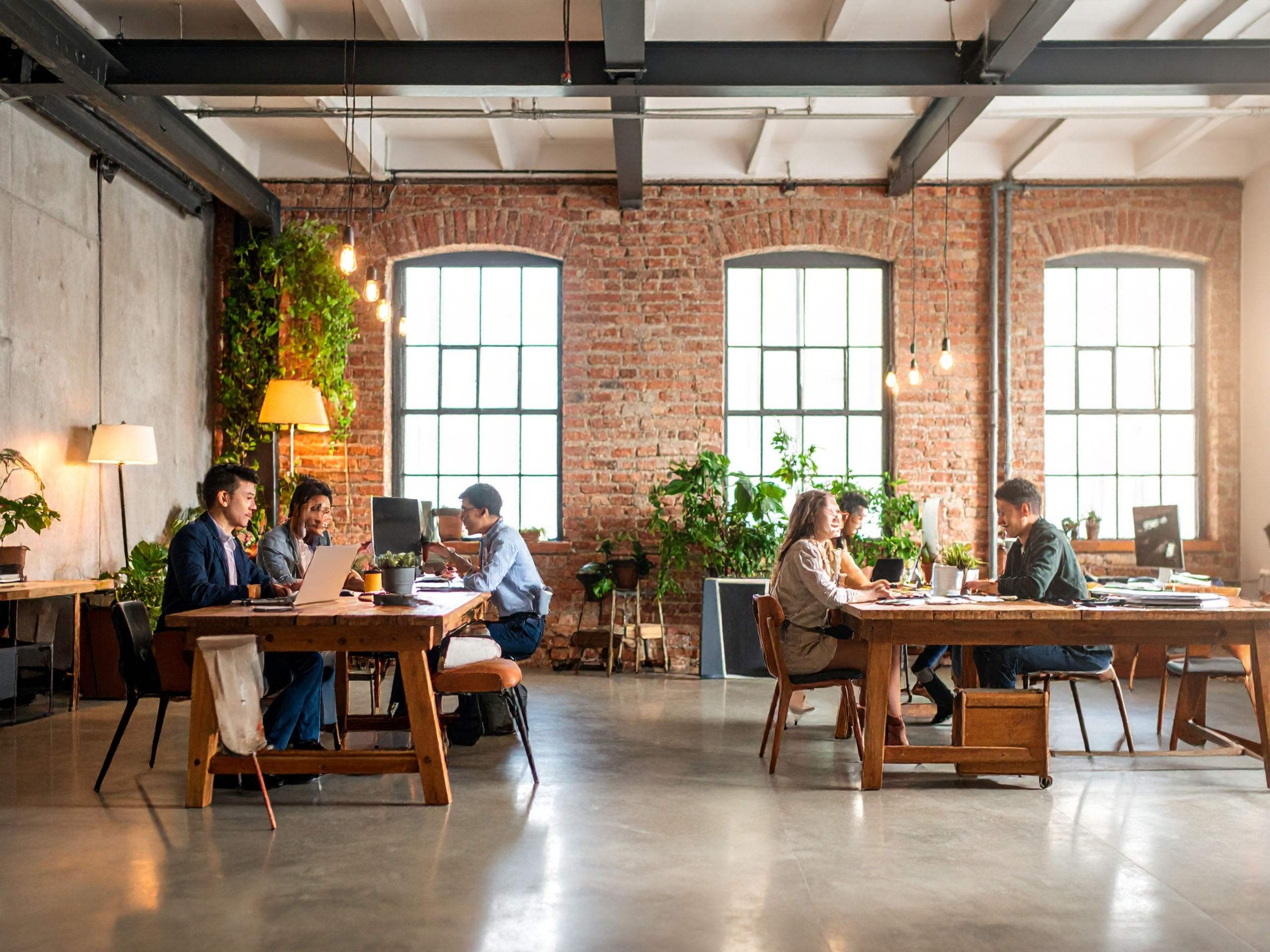
Designing Workspaces That Inspire People to Come Back to the Office
Designing Workspaces That Inspire People to Come Back to the Office By Tridyum Interiors The office has changed.After years of remote and hybrid work, people are asking a new question: why go back? At Tridyum Interiors, we believe the answer isn’t policy or pressure — it’s purpose. People return to spaces that make them feel connected, supported, and inspired. That means rethinking what the modern workplace should look and feel like. Our mission is simple: to design offices that people genuinely want to come back to — spaces that energise teams, express culture, and enable performance. Here’s how we’re helping businesses across South Africa do exactly that. 1. The Office Has a New Role The office is no longer just a place to work; it’s a place to belong.It’s the physical expression of your company’s brand, culture, and values. When designed intentionally, it becomes the heartbeat of your organisation — a space where people collaborate, learn, and grow together. In a world where remote work handles focus tasks, the office now exists to do what digital tools can’t: build relationships, spark creativity, and remind people why they’re part of something bigger. At Tridyum, we start each project by asking: “What experience should people have when they walk into your office?” That clarity shapes every design decision that follows. 2. Designing for Flexibility and Flow Modern work is fluid, so office design must be too. Static layouts and identical desks belong to another era. The workplaces that thrive today adapt easily to changing teams, projects, and schedules. Our approach combines AI-driven space planning with human insight to find the perfect balance between focus and collaboration. We create zones for different types of work: Quiet areas for concentration Team spaces for collaboration Social zones for informal connection Lounge areas for creativity and rest Every detail is optimised for flow — how people move, meet, and interact.This agility allows your office to evolve as your business does, without expensive redesigns. 3. The Rise of Hospitality-Inspired Workspaces When people walk into your office, it should feel welcoming — not clinical.We take inspiration from hospitality design, blending warmth, comfort, and sophistication to make the workplace feel like a space people choose, not endure. Soft lighting, natural textures, and curated furniture create an environment that encourages both productivity and relaxation. Amenities such as coffee bars, quiet pods, and outdoor seating help transform the workday into an experience, not a routine. These touches matter because they shape emotion.When people feel comfortable and valued in their environment, their creativity and performance rise naturally. 4. Human-Centred Design at the Core Every company is different — and so are its people.That’s why we design from the inside out, studying how teams work, what they value, and what motivates them. Our designers use behavioural data and workplace insights to inform layouts that actually serve the people using them. Some teams need energy and collaboration; others need calm and privacy.Our designs respect both. The goal isn’t to force everyone into the same type of space — it’s to create choice. Human-centred design also considers accessibility, comfort, and diversity.We make sure every person feels supported and included, because great offices are built around people, not furniture. 5. Wellness as a Design Priority Wellness isn’t a buzzword — it’s a business advantage.A healthy workspace leads to happier teams and better results. We integrate biophilic design principles into our projects, bringing natural light, greenery, and airflow into every plan. Ergonomic furniture supports posture and focus, while acoustic control reduces distractions. Our AI tools help simulate light levels, sound flow, and circulation before a single wall is built. This ensures every element works together to support mental and physical wellbeing. Some clients even take it further — adding wellness rooms, meditation spaces, or outdoor terraces. Because when people feel good at work, everything else improves. 6. Collaboration and Connection No digital meeting replaces the magic of spontaneous collaboration.The right environment can make those moments happen naturally. We design collaboration zones — from café-style hubs to touchdown areas — that encourage teams to connect without formalities. These spaces create momentum and spark creativity, while still allowing for flexibility and movement. Office design also plays a vital role in building culture.Brand colours, artwork, and materials all help communicate who you are. When employees see their company’s identity reflected in the space, they develop a stronger sense of pride and belonging. 7. Technology That Works Quietly in the Background We believe technology should enhance the workplace — not overwhelm it.Our AI planning systems and smart tools help create seamless, future-ready environments that adapt to hybrid work. This includes: Intelligent meeting rooms with integrated video tech Smart lighting and temperature controls Digital booking systems for desks and collaboration areas We use technology to anticipate needs and remove friction. The result?Spaces that feel effortless — and allow people to focus on what matters most. 8. Sustainable Design That Makes Sense Designing for sustainability isn’t just about compliance — it’s about care.Every choice we make affects the future of your business and the planet. At Tridyum, we prioritise sustainable materials, efficient systems, and long-life finishes. Our process considers energy use, waste reduction, and lifecycle costs from the start. We also help clients earn green building certifications and communicate their environmental values through design. Sustainable workspaces don’t just save costs — they attract the kind of talent and partners who share your commitment to doing better. 9. From Concept to Completion Design is only part of the story. The way a project is executed determines its success.That’s why we offer a fully managed, end-to-end service — from strategy and design through construction, furniture, and final handover. Our project teams oversee every detail, ensuring deadlines are met and budgets stay on track. Because our technology provides accurate costings early in the process, there are no surprises later. Transparency builds trust.Clients know exactly what they’re getting, when, and at what cost. That’s what we call clarity with momentum. 10. Creating Spaces People Are Proud
How AI Is Transforming the Way We Work
The Future of Office Design: How AI Is Transforming the Way We Work Artificial Intelligence (AI) isn’t just a tech buzzword anymore — it’s reshaping every part of how we live, work, and think about space. In the world of commercial property, AI is driving one of the most exciting shifts we’ve ever seen: the rise of intelligent office design. From the layout of your workspace to the way lighting adapts to your mood, AI is now influencing decisions that once relied on instinct, experience, and guesswork. For landlords, tenants, and property professionals, this is more than a trend — it’s the next evolution in how we create environments that truly work for people. Smarter Design Begins With Smarter Data Office design has traditionally been driven by aesthetics and function — balancing how an office looks with how it works. But AI adds a new layer: precision.AI systems can analyse how people actually use office spaces, where they spend the most time, and how they move through the building. This data allows architects, developers, and workspace strategists to design layouts that maximise productivity, comfort, and collaboration. For example, sensors embedded in floors or ceilings can track movement patterns. Over time, AI learns which areas are overused and which are underutilised. That insight helps reconfigure spaces to improve flow — perhaps by adding more collaborative zones or reducing underused meeting rooms. It’s design driven by evidence, not assumption. Predictive Planning for Landlords and Tenants AI’s ability to analyse trends is becoming a game changer for commercial property owners and tenants alike. Imagine being able to forecast how many people will occupy your building at different times of the week, or how workspace demand might change seasonally.For landlords, this means better leasing strategies. For occupiers, it means right-sizing — ensuring the space they lease perfectly matches their operational needs. These systems also help with cost efficiency. AI can predict when certain assets — from HVAC systems to lighting fixtures — are due for maintenance, reducing downtime and preventing expensive repairs. Predictive maintenance, powered by AI, is already saving property portfolios millions every year. AI-Powered Personalisation: A New Era of Employee Experience The next evolution in office design isn’t just about space — it’s about people. AI is bringing personalisation into the workplace in ways we’ve never seen before. Imagine walking into your office and the lighting automatically adjusts to your preferred brightness. Your workstation knows your ideal desk height. The temperature in your area responds to your comfort levels. Even the music or sound levels can be tuned to enhance your focus or collaboration. This isn’t science fiction — it’s happening now. Smart buildings are using AI-driven systems that respond in real time to employee behaviour. The result? Happier, more engaged teams and workplaces that adapt to people rather than the other way around. Flexible Workspaces Reimagined The rise of hybrid work has changed the game for office design. The traditional model of fixed desks and rigid layouts is giving way to flexible, modular environments — and AI is what makes them work efficiently. AI-driven booking systems, for example, help manage hot desks and meeting rooms in real time. They predict demand, allocate space dynamically, and ensure that teams can always find the right space for the right task. For facilities managers, this means fewer wasted areas and improved utilisation rates. Even on a strategic level, AI is helping developers and landlords plan for the long-term shift toward flexibility. By analysing tenant usage patterns across buildings, AI models can suggest how much flexible versus fixed space should be designed into new developments — ensuring that assets remain relevant and desirable in a fast-changing market. Energy Efficiency and Sustainability AI is also quietly revolutionising the sustainability side of commercial real estate.Smart building systems now monitor and adjust energy consumption automatically, learning from human patterns to reduce waste. Lighting, heating, cooling, and ventilation are all controlled by intelligent systems that optimise energy use throughout the day. For example, if sensors detect that a meeting room is empty, AI ensures lights and air conditioning are turned off immediately. On a larger scale, AI can even predict power demand based on weather conditions, occupancy, and past usage data — keeping operational costs down while aligning with ESG goals. Sustainability is no longer a checkbox — it’s a competitive advantage. Companies that adopt AI-led sustainability measures not only save on utilities but also attract talent and investors who value environmental responsibility. Designing for Wellness With AI Insights Employee wellness has become a central theme in modern office design.AI supports this shift by identifying how the built environment impacts physical and mental well-being. It can track noise levels, air quality, lighting conditions, and even stress patterns through wearable devices. These insights help designers and facility managers create environments that actively improve health and happiness. For instance, AI can alert when CO₂ levels are rising, prompting ventilation systems to increase fresh air flow. It can monitor natural light exposure throughout the day and adjust artificial lighting accordingly to support circadian rhythms. The goal is simple — healthier spaces for healthier people. The Rise of Digital Twins A major advancement that ties all of this together is the use of digital twins — virtual replicas of physical spaces.Through AI, architects and property managers can simulate how people will interact with a space before it’s even built. Every decision, from furniture layout to air conditioning flow, can be tested in a digital environment first. For landlords, digital twins provide invaluable data. They allow for real-time monitoring of building performance, predictive maintenance, and the ability to model the impact of future design changes. For tenants, it means faster move-ins and spaces that evolve alongside their needs. AI and Human Creativity: A Partnership, Not a Replacement One of the biggest misconceptions about AI in office design is that it will replace human creativity. The opposite is true.AI handles data and analysis — it identifies patterns, predicts outcomes, and automates routine tasks. But
Lovisa SA
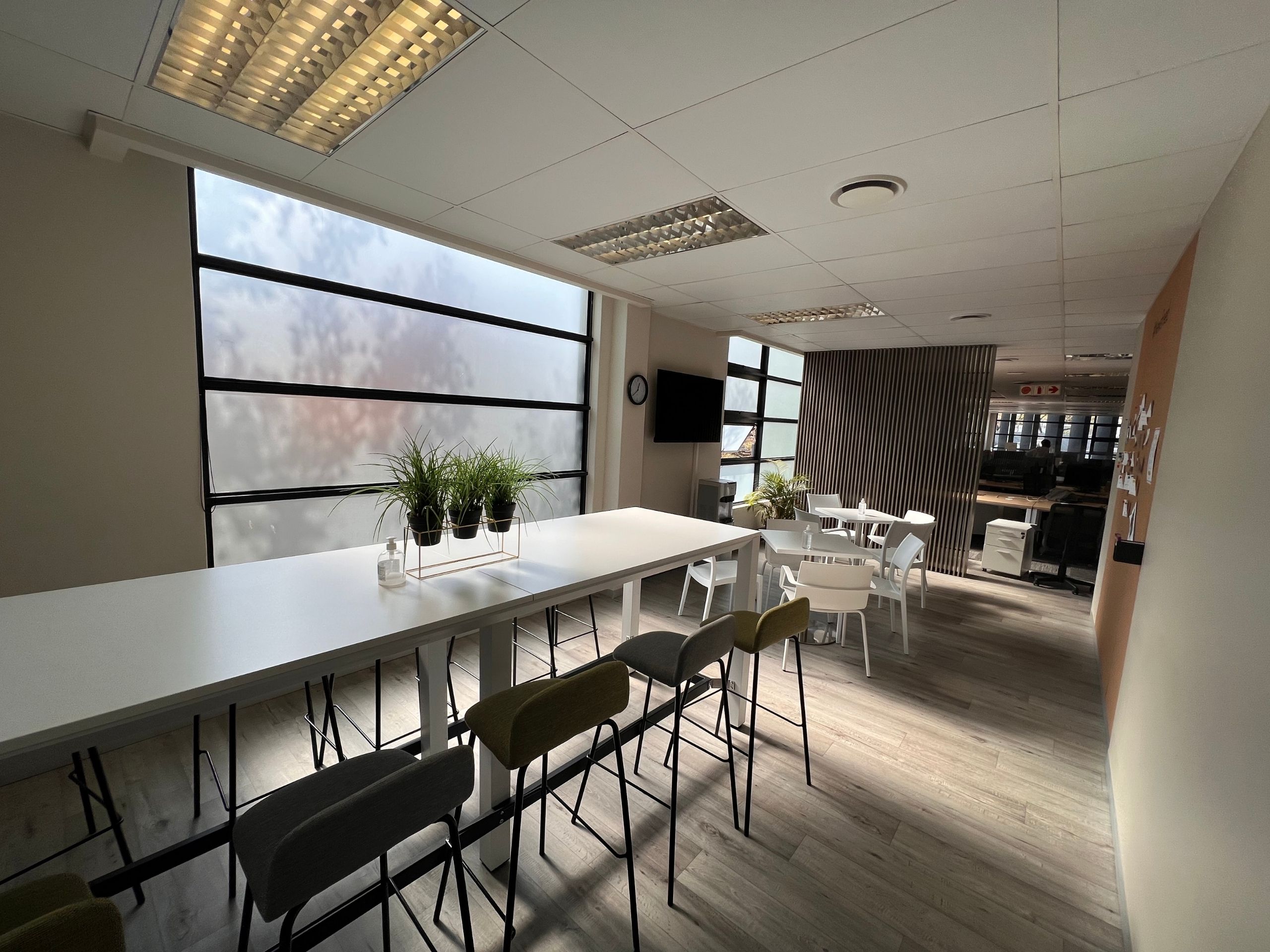
Lovisa Johannesburg Office Refurbishment: Where Simplicity Meets Sophistication A Modern Organic Approach to Workplace Design The Johannesburg office refurbishment for Lovisa reflects a timeless balance between elegance and comfort. The vision was to create a space that embodies the brand’s refined aesthetic while offering a calm, welcoming atmosphere where creativity and collaboration can thrive. Tridyum Interiors achieved this through a modern organic design approach, defined by clean lines, natural materials, and a serene palette that complements the Lovisa identity. The result is a workspace that feels effortless, tactile, and beautifully understated. A Palette Inspired by Nature To reflect the sophistication of the Lovisa brand, the design team introduced a palette of soft neutrals and natural textures that evoke warmth and balance. Every surface, tone, and material was selected to support a sense of tranquillity and cohesion. Subtle layers of wood, stone, and matte finishes introduce depth and tactility, transforming the office into a space that feels both functional and emotionally engaging. The neutral colour scheme promotes clarity and focus, allowing the brand’s refined character to take centre stage. Design That Balances Class and Comfort The design carefully integrates modern minimalism with an organic sensibility. Clean, simple lines create structure and flow, while soft furnishings and gentle lighting bring warmth to each zone. The result is a space that feels open yet intimate, sophisticated yet approachable. Every detail contributes to a sense of calm and composure, supporting both productivity and well-being. Employees and visitors alike experience a workspace that resonates with elegance and authenticity. Function Aligned with Brand Identity More than just a visual statement, the Lovisa office was designed to perform. Each layout choice was made to enhance collaboration, comfort, and flow while maintaining visual harmony. The minimalist arrangement promotes clarity, ensuring the environment supports focus without distraction. This seamless blend of design intelligence and brand expression ensures that the workspace does more than look beautiful — it communicates who Lovisa is. The Outcome: A Space that Works Beautifully The completed project represents a thoughtful translation of brand values into spatial design. It celebrates simplicity, celebrates texture, and brings together form and function in a way that feels distinctly Lovisa. Through precision, creativity, and care, Tridyum Interiors has delivered a workspace that nurtures both performance and people — a true reflection of modern sophistication in the heart of Johannesburg. At Tridyum Interiors, we create environments where design and purpose align seamlessly. Our team delivers office refurbishments in Johannesburg that combine beauty, function, and strategic vision to help your business thrive. Let’s create a workspace that tells your story.
AON South Africa
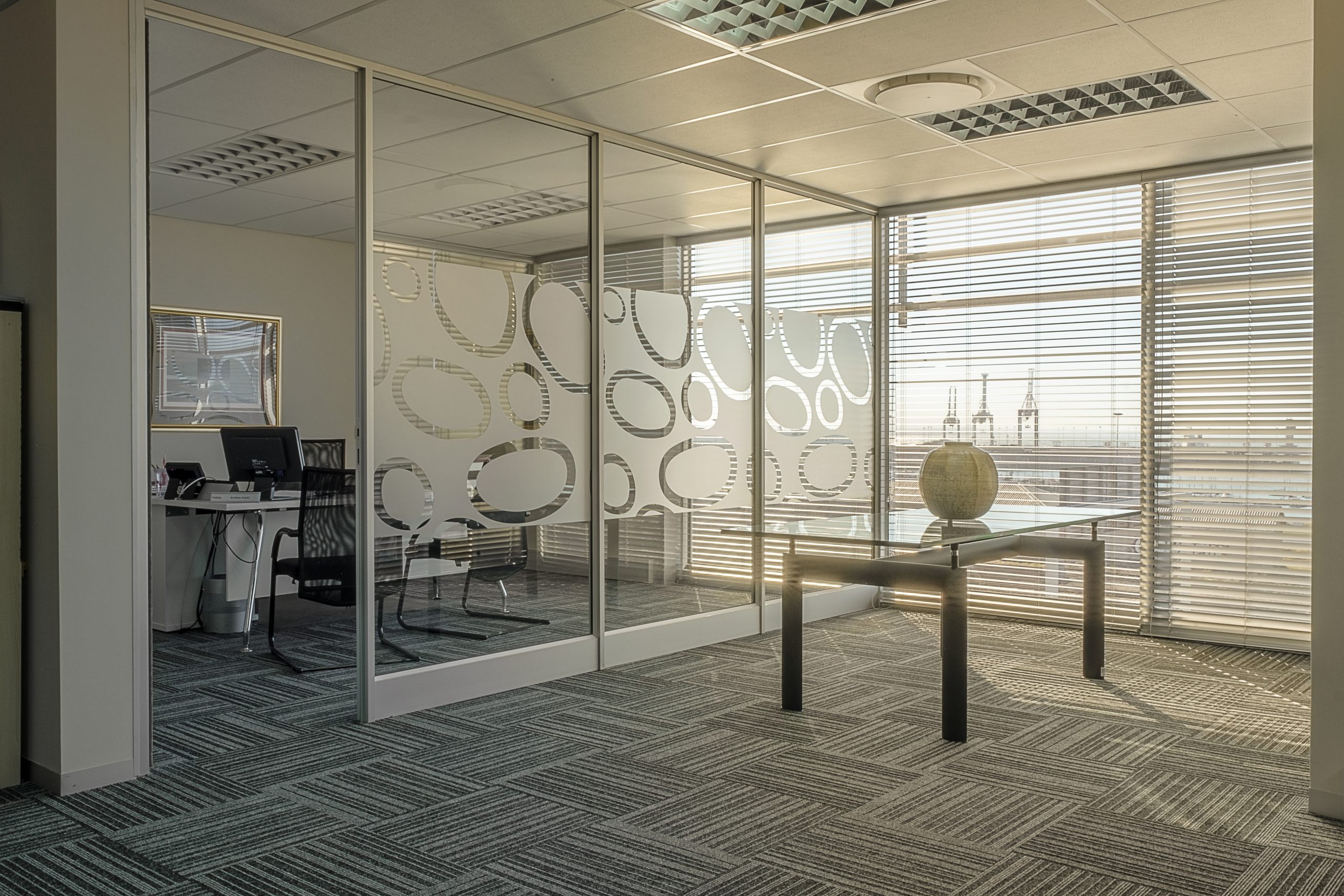
Aon South Africa: Bringing Brand Identity to Life Through Design When global insurance and risk management leader Aon South Africa set out to refurbish their Johannesburg office, the goal was clear — to create a workspace that embodies the strength and clarity of their brand while enhancing collaboration, comfort, and functionality. Tridyum Interiors was entrusted with translating Aon’s distinctive colour palette — red, grey, and white — into a cohesive design narrative that flows seamlessly from reception through to boardrooms, workstations, and shared spaces. Designing from Front to Back Every detail of the refurbishment was approached with purpose and precision. The journey begins at reception, where the energy of Aon’s brand greets visitors immediately. Red feature walls create a bold statement of confidence, while refined grey tones and white finishes bring balance and sophistication. As you move through the open-plan workstations, custom desk screens and furniture accents subtly reflect the brand colours without overwhelming the space. The result is an atmosphere that feels vibrant yet professional — designed for productivity and comfort. Spaces That Inspire People In the canteen area, design meets culture. Red-tiled splashbacks and clean white surfaces create a warm, inviting energy that encourages connection and conversation. The space feels distinctly Aon — bold yet welcoming, functional yet expressive. The boardrooms are anchored in the brand’s refined aesthetic — with polished finishes, statement walls, and a sense of quiet authority. It’s a space where decisions are made, ideas are exchanged, and professionalism shines through every detail. A Cohesive Brand Experience Throughout the project, the Tridyum Interiors team ensured that every finish, material, and texture told a consistent brand story. From wall murals and feature lighting to furniture and flooring, each element was designed to enhance flow and reinforce Aon’s values — clarity, confidence, and collaboration. This wasn’t just an office upgrade — it was the creation of a 360° brand experience. A workspace that doesn’t just look like Aon but feels like Aon. Precision. Performance. Partnership. The completed Aon Johannesburg office reflects everything Tridyum Interiors stands for — precision in design, excellence in execution, and spaces that truly work for people and purpose. It’s a workspace that inspires confidence, supports productivity, and brings brand and culture together in perfect harmony. Ready to Redefine Your Workspace? Whether you’re looking to align your environment with your brand or reimagine how your teams connect, Tridyum Interiors is here to help. We combine strategy, design, and project management to deliver exceptional workspace refurbishments in Johannesburg — on time, on brand, and beyond expectation. Let’s create a workspace that reflects your story.