The Psychology of Space: How Design Impacts Productivity and Wellbeing
By Tridyum Interiors
Every workspace tells a story — not just through its furniture and finishes, but through how it makes people feel. The layout, light, colour, and sound of an office all shape how people think, focus, and connect. This is the psychology of space — the powerful relationship between environment, behaviour, and performance.
At Tridyum Interiors, we believe a well-designed workspace doesn’t just look good; it works beautifully for the people who use it. Our approach combines AI-driven spatial intelligence with the artistry of human creativity to design offices that boost both productivity and wellbeing.
Here’s how the spaces we create influence how people feel, think, and perform — and why getting it right is essential for every modern business.
1. The Mind at Work: Why Space Matters
Human behaviour is deeply affected by environment. We all respond to visual and spatial cues — whether it’s feeling calm in an open, light-filled space or tense in a cramped, noisy one.
In workplaces, those responses translate directly into energy, focus, and motivation.
A cluttered or poorly lit office increases stress and fatigue. A balanced, well-planned space supports concentration and creativity.
When you understand how people experience their surroundings, you can design environments that naturally encourage engagement, clarity, and wellbeing. That’s where design becomes a business tool — not just an aesthetic one.
2. Space Planning and Mental Flow
How we move through a space affects how we think.
Good design creates a sense of flow — the feeling of moving easily and purposefully from one area to another. It’s not just about physical movement, but mental rhythm.
At Tridyum, we use AI-assisted planning to analyse how people use space — entry points, natural pathways, and high-traffic zones — and then design layouts that feel intuitive and energising.
The result? Offices that minimise friction and distraction.
Spaces that allow people to shift smoothly between focus, collaboration, and rest.
This sense of spatial flow has a direct link to cognitive performance. When the environment “works,” people don’t have to think about it — they can focus on doing their best work.
3. Light: The Natural Productivity Booster
Lighting has one of the most powerful psychological effects in design.
Natural light regulates our body clock, improves mood, and sharpens focus. Yet many offices still rely on harsh artificial lighting that strains the eyes and drains energy.
We design with daylight in mind — maximising exposure to windows, using reflective surfaces, and balancing light levels across the space.
Our AI tools simulate lighting conditions before construction even begins, ensuring the right balance between brightness and warmth throughout the day.
In spaces where natural light is limited, we use smart, adjustable LED systems that mimic daylight cycles — supporting alertness in the morning and calm in the afternoon.
Light doesn’t just help people see better — it helps them feel better.
4. Colour and Emotion
Colour psychology plays a key role in how people experience space.
Different hues evoke different emotions — and when used intentionally, they can shape behaviour in subtle but powerful ways.
-
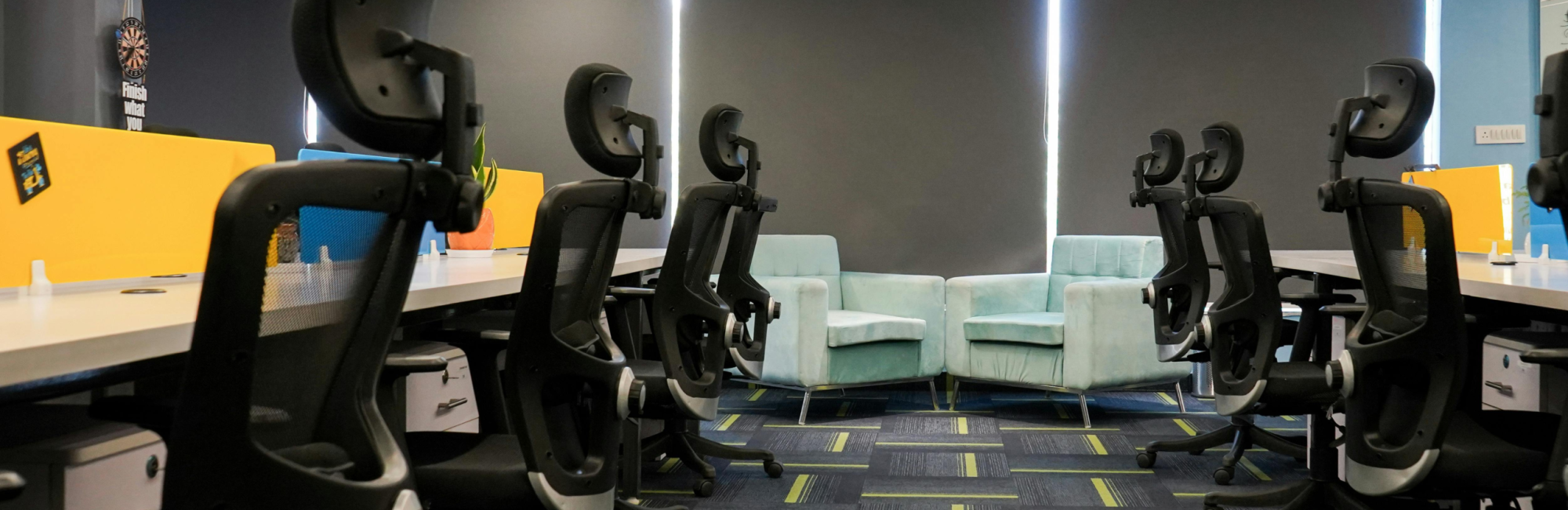
Blue promotes focus and calm — ideal for work zones.
-
Green supports balance and restoration — great for meeting rooms or breakout spaces.
-
Yellow inspires creativity and optimism.
-
Neutrals provide grounding, helping balance vibrant accents.
At Tridyum, we approach colour as both art and science. Our designers work with your brand palette to create a visual language that reflects your culture while enhancing wellbeing.
A thoughtfully chosen colour scheme can turn a neutral office into a space that feels both energising and emotionally intelligent.
5. Biophilic Design: Bringing Nature Indoors
Humans have an innate connection to nature — known as biophilia.
Research consistently shows that incorporating natural elements into the workplace reduces stress, enhances creativity, and improves overall health.
That’s why we use biophilic design principles in every Tridyum project:
-
Green walls and indoor plants
-
Natural materials like timber and stone
-
Organic shapes and textures
-
Visual access to outdoor views
AI modelling helps us identify where natural light and greenery will have the greatest psychological impact. The result is a workspace that feels alive — a place where people instinctively relax and recharge.
When nature becomes part of the design, the office transforms from a box of walls into a living, breathing environment.
6. Acoustics and Mental Focus
Noise is one of the biggest hidden stressors in office life. Constant background chatter or echoing spaces can erode focus and elevate stress levels.
Good acoustic design creates mental clarity. It doesn’t mean silence — it means balance.
We achieve this through:
-
Sound-absorbing materials in ceilings and walls
-
Acoustic furniture and partitions
-
Zoning layouts to separate quiet and active areas
Our design tools allow us to map how sound travels through a space before it’s built. That insight ensures the final environment feels calm, clear, and composed.
Because when noise levels are controlled, productivity rises — and so does wellbeing.
7. Personal Space and Control
A sense of personal control is critical to comfort and performance.
When people feel they have options — to sit, stand, move, or choose how and where to work — they feel more empowered and less constrained.
That’s why Tridyum’s spaces are designed for choice.
We create zones that support different working styles: private nooks, collaborative lounges, quiet booths, and social areas.
Flexible furniture, mobile screens, and adjustable lighting all help employees tailor their environment to their needs.
The result?
A workplace that respects individuality — and in turn, encourages ownership, focus, and pride.
8. The Role of Texture and Material
The surfaces people touch influence comfort and emotion.
Rough, cold materials create distance; soft, warm textures invite ease and approachability.
We curate materials that engage the senses — combining durability with sensory appeal.
Natural finishes like wood, wool, and linen introduce warmth, while glass and metal maintain a professional edge.
It’s a subtle balance between comfort and performance — one that signals quality and care in every detail.
In a world increasingly driven by screens and technology, tactile design elements reconnect people with the physical world around them.
9. Spatial Psychology and Culture
Design doesn’t just affect individuals — it shapes culture.
The way a space is organised communicates what a company values.
An open layout says collaboration.
Quiet rooms say focus.
Shared spaces say community.
We help clients align their spatial design with their cultural goals.
If innovation is your focus, we create zones that encourage creative exchange.
If your priority is wellbeing, we design restorative, human-centered environments.
When design aligns with culture, people feel part of a shared purpose — and that sense of belonging drives both loyalty and performance.
10. The Link Between Design, Emotion, and Productivity
Studies have consistently shown that well-designed environments can boost productivity by up to 20% — and in some cases, even more.
But it’s not just about efficiency. It’s about emotional energy.
When people feel calm, inspired, and valued, they naturally perform better.
The psychology of space is the missing link between business performance and human experience.
It’s the difference between a room that drains energy and one that creates it.
At Tridyum, we don’t design spaces just to look good — we design them to work beautifully for people. That means every wall, desk, and beam of light contributes to the emotional and mental wellbeing of those inside.
11. Designing for the Hybrid Future
The workplace is no longer a fixed destination — it’s part of a larger ecosystem.
As hybrid work continues to evolve, the physical office becomes even more important as a place of purpose and connection.
People don’t come in just to sit at a desk; they come to collaborate, recharge, and engage.
That’s why the psychology of space matters now more than ever.
The offices that succeed in the future will be those designed to serve human needs — spaces that inspire focus, creativity, and wellbeing in equal measure.
12. The Tridyum Approach: Precision Meets Purpose
At Tridyum Interiors, we use AI-powered design tools to analyse how people use space — light, flow, acoustics, and density — and combine that with human creativity to craft workplaces that perform on every level.
Our process delivers clarity from day one: immersive 3D renderings, itemised costings, and clear timelines. That means no guesswork, no wasted time — just confident design decisions that move your business forward.
Every project is built around one goal:
To create spaces that elevate how people feel, think, and work.
That’s the psychology of space in action.
A well-designed workspace isn’t just a visual experience — it’s an emotional one. It influences mood, focus, and energy every single day. When we combine design science with empathy, offices stop being static structures. They become living systems that support wellbeing and productivity in equal measure. At Tridyum Interiors, we design workspaces where function and inspiration meet — powered by AI precision and elevated through human creativity.
Because when people feel good in their environment, everything else follows: better work, better connection, and a better way to live at work.