Office furniture has evolved far beyond desks and chairs. In modern workplaces, furniture plays a strategic role in shaping productivity, collaboration, movement, and overall employee experience. It influences how people interact within a space, how effectively teams perform, and how adaptable an office remains as business needs change.
As workplaces continue to evolve, furniture is no longer selected purely for appearance or practicality. Businesses are investing in solutions that support flexibility, wellbeing, and performance while reinforcing workplace culture and identity.
The shift toward hybrid work, experience-driven offices, and employee-centred design has transformed the way organisations approach furniture selection. The workplace is now expected to accommodate multiple work styles, encourage movement, and create environments that support both focus and collaboration.
This is why modern office furniture in South Africa has become a central part of workplace strategy. Furniture is no longer an afterthought within commercial interiors. It is one of the most important tools in shaping how a space functions every day.
Furniture as Part of Workplace Strategy
The most effective workplaces are designed around how people actually work. Furniture plays a key role in supporting these behaviours because it directly affects comfort, movement, communication, and flexibility.
Traditional office environments were often built around fixed layouts and assigned seating. Desks were arranged in rows, boardrooms followed rigid structures, and breakout spaces were limited. Modern workplaces require a far more adaptable approach.
Today, employees move between different types of work throughout the day. Focused tasks, collaborative sessions, virtual meetings, informal discussions, and creative workshops all require different environments. Furniture must support these transitions seamlessly.
This is why businesses are increasingly investing in flexible workplace furniture that allows spaces to adapt easily without compromising functionality or aesthetics.
DISCOVER FURNITURE SOLUTIONS BUILT FOR MODERN WORKPLACES
The Shift Towards Flexible Work Environments
Hybrid work has accelerated the demand for flexibility within commercial interiors. Offices are no longer occupied in the same way every day, which means spaces must perform differently depending on usage patterns.
Furniture has become essential in supporting this flexibility. Modular seating, movable tables, adaptable workstations, and collaborative furniture systems allow businesses to reconfigure spaces quickly and efficiently.
This adaptability creates workplaces that feel more dynamic and responsive. Teams can gather for collaboration when needed and transition into focused environments without major spatial changes.
Flexible office furniture also allows businesses to maximise the value of their space. Instead of designing static environments that serve a single purpose, organisations can create multifunctional areas that evolve throughout the day.
This approach supports long-term workplace agility and ensures that offices remain relevant as business needs continue to change.
SMART SPACE PLANNING CREATES MORE ADAPTABLE OFFICES
Ergonomics and Employee Wellbeing
Employee wellbeing has become one of the most important considerations in workplace design. Businesses increasingly understand that comfort and physical support directly influence productivity, engagement, and overall job satisfaction.
Ergonomic office furniture is central to this conversation. Poor seating, incorrect desk heights, and uncomfortable workstations contribute to physical strain, fatigue, and long-term health issues.
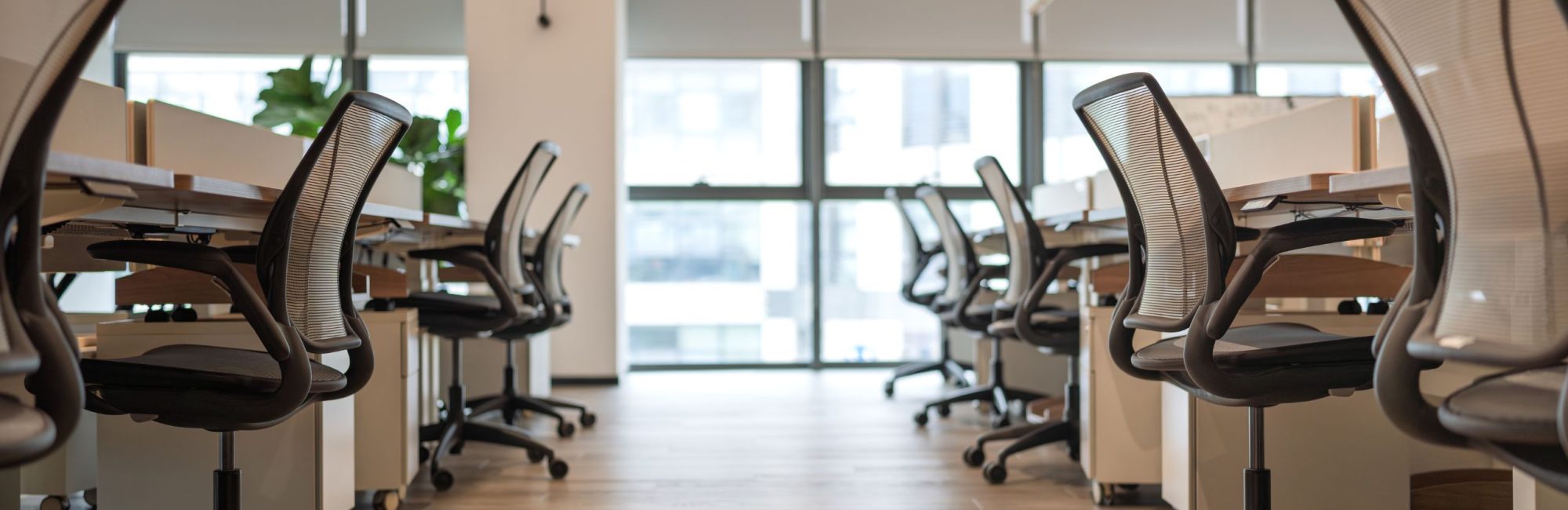
Ergonomic solutions are designed to support posture, movement, and comfort throughout the workday. Adjustable chairs, sit-stand desks, monitor positioning, and supportive accessories all contribute to healthier work environments.
The benefits extend beyond physical wellbeing. Employees who feel comfortable within their environment are more focused, productive, and engaged. Workplace satisfaction improves because the environment actively supports their daily experience.
As organisations compete for talent and prioritise employee retention, ergonomic furniture is becoming a key investment rather than a luxury.
Designing for Collaboration and Connection
Modern workplaces place significant emphasis on collaboration. Furniture plays a major role in encouraging interaction and creating spaces where teams can connect naturally.
Collaborative furniture differs from traditional office setups because it supports flexibility, informality, and movement. Lounge seating, modular arrangements, communal tables, and soft breakout spaces create environments that feel approachable and engaging.
These spaces encourage spontaneous conversation and idea sharing, which are often difficult to achieve in rigid office layouts. Employees are more likely to engage when the environment feels comfortable and accessible.
Furniture also helps define collaborative zones without relying on walls or partitions. The arrangement, scale, and style of seating can shape behaviour and establish different workplace experiences within the same environment.
This balance between structure and openness is essential in contemporary workplace design.
Furniture and Brand Identity
Furniture contributes significantly to how a workplace reflects brand identity and company culture. The colours, materials, shapes, and overall style of furniture all influence how a space is perceived.
A corporate environment may favour clean lines, structured layouts, and refined finishes that communicate professionalism and precision. Creative workplaces may introduce softer forms, varied textures, and more informal seating arrangements to encourage energy and innovation.
Furniture becomes part of the overall design narrative. It helps communicate the personality of the organisation and reinforces how employees and visitors experience the space.
This is particularly important in client-facing environments such as reception areas, boardrooms, and collaborative lounges where furniture contributes directly to first impressions.
When selected strategically, furniture strengthens workplace identity while supporting functionality and performance.
The Importance of Durability and Long-Term Value
Furniture represents a significant investment within commercial interiors. While aesthetics and comfort are important, durability and long-term value are equally critical.
High-quality furniture is designed to withstand daily use while maintaining its appearance and performance over time. Poor-quality solutions may appear cost-effective initially but often result in higher replacement and maintenance costs in the long term.
Businesses are increasingly prioritising furniture that balances durability with design quality. Materials, craftsmanship, and functionality all contribute to overall value.
Commercial environments experience constant movement, interaction, and wear. Furniture must perform consistently within these conditions while continuing to support the overall aesthetic of the workplace.
This long-term perspective aligns with broader workplace strategies focused on sustainability, efficiency, and investment value.
Sustainability and Responsible Furniture Design
Sustainability continues to influence commercial interior design across all levels, including furniture selection. Businesses are becoming more conscious of how materials, manufacturing processes, and product lifecycles impact the environment.
Sustainable office furniture focuses on durability, responsible sourcing, recyclable materials, and reduced environmental impact.
Furniture that lasts longer reduces waste and contributes to more sustainable workplace strategies. Modular systems that can be reconfigured rather than replaced also support adaptability while minimising environmental impact.
Natural materials, recycled finishes, and locally sourced products are becoming increasingly popular in modern office furniture design in South Africa. These choices align with both sustainability goals and the growing preference for more authentic, textured environments.
Technology Integration in Modern Furniture
Technology has become fully integrated into workplace environments, and furniture must support this shift seamlessly.
Workstations now require integrated power access, cable management, and connectivity solutions that allow employees to work efficiently without clutter or disruption.
Collaborative furniture often incorporates charging stations, integrated screens, and flexible meeting configurations that support both in-person and virtual interaction.
The goal is to ensure that technology feels embedded within the workplace rather than added on afterward. Furniture should enhance usability without compromising the visual clarity of the space.
This integration becomes increasingly important as hybrid work continues to shape modern workplace expectations.
Designing Spaces That Encourage Movement
Movement is becoming a key consideration in workplace wellbeing. Static working environments contribute to fatigue and reduced energy levels throughout the day.
Modern office furniture encourages movement by creating varied work settings and allowing employees to change posture and environment throughout the day.
Sit-stand desks, collaborative zones, breakout areas, and informal seating all contribute to more active workplace experiences. Employees are encouraged to move naturally between spaces depending on the task they are performing.
This variation improves comfort, supports wellbeing, and creates more engaging environments overall.
Workplaces designed around movement feel more energetic and adaptable while supporting healthier daily routines.
The Future of Furniture in Commercial Interiors
The future of office furniture lies in adaptability, comfort, and performance. Businesses are moving away from rigid workplace structures and towards environments that support flexibility and employee experience.
Furniture will continue to evolve alongside changing workplace behaviours. Modular systems, integrated technology, ergonomic innovation, and sustainable materials will increasingly shape commercial interiors.
The most successful workplaces will be those that recognise furniture as part of a broader strategy rather than a purely functional requirement. Every piece contributes to how the space performs and how people experience it.
Modern office furniture in South Africa is no longer simply about filling a space. It is about creating environments that support productivity, reflect identity, and adapt to future needs.
Designing Workplaces for the Way People Work Today
The workplace has changed permanently. Employees expect environments that support flexibility, comfort, collaboration, and wellbeing. Furniture plays a central role in meeting these expectations.
By investing in thoughtful, high-performing furniture solutions, businesses create workplaces that function more effectively and deliver stronger long-term value.
The right furniture supports movement, enhances focus, encourages interaction, and reinforces brand identity. It creates environments where employees feel supported and where businesses can adapt more confidently to the future of work.
In modern commercial interiors, furniture is no longer just part of the space. It shapes the experience of the workplace itself.