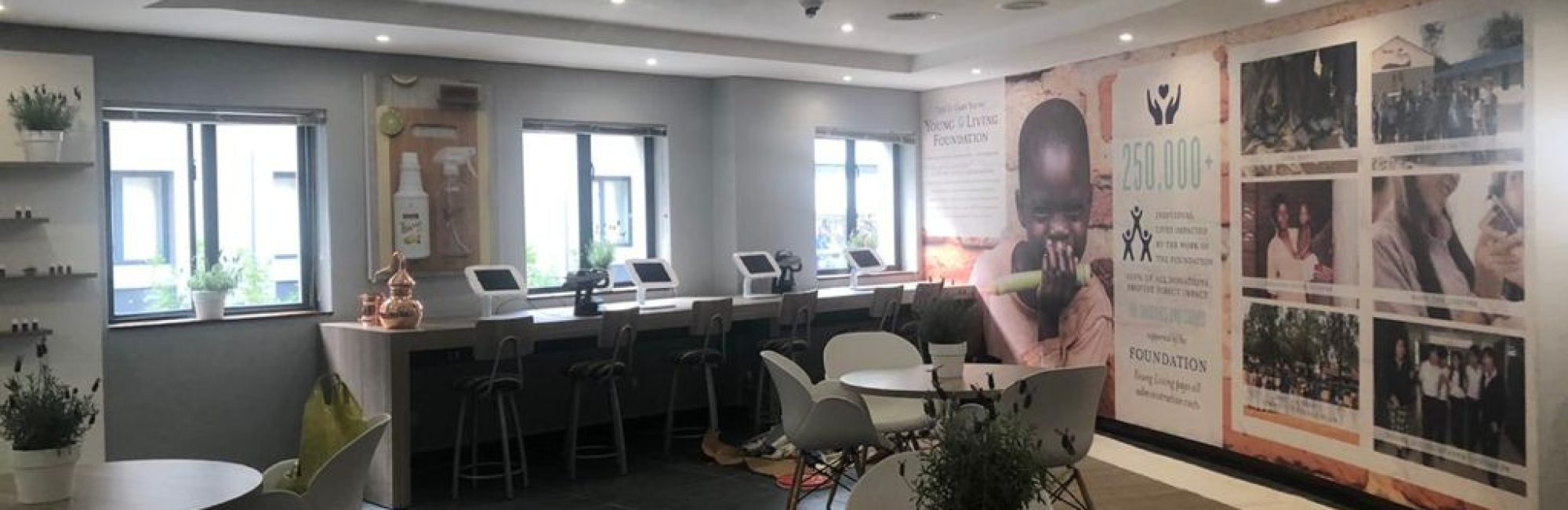
The role of the office has changed. Workspaces are no longer viewed simply as places to sit and complete tasks. Offices have become environments that shape culture, influence performance, and support the evolving needs of people and businesses.
As organisations enter 2026, office design is being re-evaluated across industries. Companies are asking deeper questions about how space supports productivity, collaboration, wellbeing, and long term growth. Decisions around workplace design are now strategic business decisions rather than aesthetic ones.
Tridyum Interiors approaches office design through this lens. Every workspace tells a story about a business, its people, and its ambitions. The way that story is shaped has never mattered more.
The Office Has a New Purpose
Work patterns continue to evolve. Hybrid schedules, flexible teams, and changing expectations have reshaped how offices function. Spaces must now encourage presence rather than demand it. Employees expect environments that feel intentional, supportive, and aligned to how they work.
An office must earn its place in a modern business. It needs to offer something meaningful that cannot be replicated remotely. Collaboration, creativity, culture building, and shared identity all live within the physical workspace. Design plays a central role in making those experiences possible.
A well designed office becomes a destination. Teams arrive feeling motivated, focused, and connected. Poorly designed spaces create friction, disengagement, and inefficiency. The difference lies in design decisions made early and executed with clarity.
Design Directly Impacts Performance
Office design influences behaviour. Layout, lighting, acoustics, and flow all affect how people interact with their environment. Productivity does not depend on desks and chairs alone. It relies on thoughtful spatial planning that supports different work styles and tasks.
Open areas encourage collaboration. Quiet zones support focus. Informal spaces create moments for connection and innovation. Design brings balance between these elements, allowing teams to move fluidly through their day.
Performance driven design considers how people actually work rather than how spaces are traditionally laid out. This approach leads to higher engagement, improved efficiency, and stronger outcomes for businesses.
Culture Is Shaped Through Space
Company culture is experienced every day through the physical environment. Values, personality, and identity become tangible inside the workspace. Design choices communicate what matters to an organisation before a single word is spoken.
A space that reflects brand and culture creates pride. Employees feel a sense of belonging and alignment with the business. Clients experience confidence and professionalism the moment they enter the office.
Intentional design supports trust, transparency, and collaboration. Spaces designed around people foster stronger relationships and healthier workplace dynamics. Culture becomes something that is felt rather than explained.
The Business Case for Office Design in 2026
Office design has a measurable impact on business outcomes. Investment in the workplace influences retention, recruitment, and employee satisfaction. People want to work in environments that support wellbeing and purpose.
An outdated or poorly planned office sends the wrong message. It suggests stagnation and lack of care. A considered workspace signals growth, ambition, and forward thinking leadership.
Companies that prioritise office design position themselves as employers of choice. The workspace becomes part of the value proposition offered to employees and clients alike.
Technology Is Changing How Offices Are Designed
Advances in technology have transformed the design process. Planning is now faster, more precise, and more informed than ever before. Intelligent tools allow designers to test layouts, explore possibilities, and visualise spaces early in the journey.
AI supported space planning provides clarity around how space will function before construction begins. Design renderings and immersive walkthroughs allow stakeholders to experience the workspace in detail. Decisions become easier, faster, and more confident.
Technology supports better outcomes without replacing design expertise. Tools enhance insight while creativity and experience guide direction. The combination delivers smarter workplaces that respond to real needs.
Design Clarity Reduces Risk
Office projects carry complexity. Budget, timelines, and operational impact must be carefully managed. Design clarity early in the process reduces risk and uncertainty.
Clear layouts, realistic visualisations, and aligned cost planning prevent surprises later. Stakeholders gain confidence knowing what to expect at every stage. Projects move forward smoothly with fewer changes and delays.
A structured design approach creates alignment between vision, execution, and delivery. Businesses benefit from transparency and control throughout the journey.
Employee Wellbeing Starts with Environment
Workplace wellbeing extends beyond policies and programmes. Physical space plays a powerful role in how people feel throughout the day. Natural light, material choices, acoustics, and spatial flow all influence comfort and energy levels.
Design that considers wellbeing supports mental focus, reduces stress, and enhances overall experience. Comfortable, thoughtful environments contribute to healthier and happier teams.
Employees perform better in spaces designed around human needs. Wellbeing driven design has become an essential component of successful workplaces.
Flexibility Is No Longer Optional
Businesses require spaces that adapt as needs change. Teams grow, roles shift, and working patterns evolve. Design must allow flexibility without constant disruption.
Modular layouts, adaptable furniture, and multi purpose spaces support long term use. Offices designed for flexibility remain relevant and functional over time.
Future focused design anticipates change and builds resilience into the workspace. This approach protects investment and supports sustainable growth.
What Sets Successful Offices Apart
Successful offices share common principles. They are designed around people rather than trends. They reflect brand identity clearly and authentically. They balance function and aesthetics seamlessly.
Strong offices feel intentional. Every element serves a purpose. Spaces flow logically and support daily activity. Visual appeal enhances experience without overwhelming it.
Design success comes from understanding the business first and translating that understanding into space.
Tridyum Interiors Approach to Office Design
Tridyum Interiors designs offices that align strategy, culture, and performance. Each project begins with listening and understanding. Business goals, team dynamics, and operational needs guide every decision.
Advanced planning tools provide clarity and precision. Design expertise shapes concepts into environments that feel considered and purposeful. Clients remain involved throughout the journey, ensuring alignment and confidence at every stage.
Office design becomes a collaborative process focused on outcomes rather than assumptions. Spaces are created to support real work, real people, and real growth.
The Office as a Strategic Asset
An office is one of the most visible investments a business makes. It influences how people feel about their work and how clients perceive the organisation. Strategic office design delivers value far beyond aesthetics.
Workspaces that support performance, culture, and wellbeing contribute directly to business success. Design becomes a tool for growth rather than a cost to manage.
As businesses move through 2026, office design will continue to play a defining role. The most successful organisations will treat their workplaces as strategic assets designed for the future.
The Future of Work Starts in the Workspace
Workspaces continue to shape how people connect, perform, and grow within a business. Office design has become a strategic tool that supports culture, productivity, and long term success. Organisations that invest thoughtfully in their environments position themselves to attract talent, strengthen identity, and adapt to change with confidence.
Designing a workspace for the future begins with understanding what your business needs today.