

When a business decides to set up or refresh an office, one of the first instincts is often to start looking at furniture. Desks, chairs, storage units, and meeting tables feel like tangible, exciting decisions, and browsing catalogues or showrooms can feel like real progress is being made on the project. The problem is that furniture decisions made before a layout has been properly planned are decisions made without the information needed to make them well.
A business that buys furniture first is essentially guessing at quantities, sizes, and configurations, and then attempting to fit a layout around those choices afterwards. This sequence is backwards, and it is one of the most common and most costly mistakes businesses make when setting up a new office. The layout should always come first, informed by workplace strategy and how the business actually needs to operate, with furniture decisions following from that plan rather than preceding it.
Why the Order of Decisions Matters
The sequence in which office decisions are made has a direct impact on the outcome, and this is nowhere more evident than with furniture. A layout defines how many workstations a space can genuinely accommodate, where natural walkways need to exist for people to move comfortably, which areas suit collaborative work and which suit quiet focus, and how meeting rooms, storage, and informal spaces relate to one another. Furniture, by contrast, is simply the physical expression of that plan.
When furniture is purchased first, based on a rough estimate of headcount or simply what looks appealing in a catalogue, it frequently does not match the actual dimensions or flow of the space once a proper layout is developed. Desks that seemed like a reasonable size in a showroom can turn out to be too large for the number of workstations a floor can realistically support. Meeting tables chosen for their appearance may not fit through doorways or may overwhelm a room that needed to serve multiple functions. Getting the order right, layout first and furniture second, ensures every purchase is made with full knowledge of exactly how it will be used and where it will go.
The Hidden Cost of Guessing at Quantities
One of the most immediate financial risks of buying furniture before planning a layout is simply buying the wrong amount. Businesses often estimate desk quantities based on current headcount without accounting for how hybrid working patterns, hot desking arrangements, or planned growth will actually affect how many workstations are needed. This can result in a business purchasing far more desks than the finished layout can accommodate, leaving expensive furniture sitting unused in storage, or purchasing too few, requiring a second, often more expensive, order once the shortfall becomes apparent.
The same problem applies to storage units, soft seating, and meeting room furniture, all of which are far easier to specify accurately once a layout has determined exactly how many of each item a space genuinely requires and where they will be positioned. A proper layout process removes this guesswork entirely, replacing it with a precise specification based on the actual number of workstations, meeting rooms, and breakout areas the finished office will contain.
Furniture That Does Not Fit the Space

Beyond simply buying the wrong quantity, businesses that purchase furniture before finalising a layout frequently end up with pieces that do not physically fit the space as intended. A boardroom table that looks proportionate in a furniture showroom can dominate a meeting room once installed, leaving no room for people to move around it comfortably or for screens and presentation equipment to be positioned properly.
Desking systems purchased without knowing the final floor plan may not align with power and data points that have already been installed, forcing costly rework of cabling and electrical points to match furniture that was never designed with that specific space in mind. Storage units bought based on a general sense of what the office might need can end up blocking natural walkways once the final layout is drawn, or fail to provide storage where it is actually required because that need only becomes clear once departments and workflows have been properly mapped onto the space. In each of these cases, the cost is not simply the wasted furniture spend. It is the additional cost of correcting the layout around furniture that was never meant to define it, or the ongoing cost of working in a space that never quite functions as smoothly as it should.
Why Workplace Strategy Should Set the Foundation
Workplace strategy exists precisely to prevent this kind of costly sequencing error. A proper workplace strategy process begins by understanding how a business actually operates, how many people need to be accommodated, what mix of focused work, collaboration, and client facing activity the space needs to support, and how the business is likely to grow or change over the coming years. Only once these questions have been answered does it make sense to move into a detailed layout, translating that strategic understanding into an actual floor plan showing where desks, meeting rooms, breakout areas, and storage will sit.
Furniture selection is the final step in this process, not the first, because it is only at this point that a business knows precisely what it needs. A desk specification developed after the layout is finalised can be matched exactly to the number and size of workstations required, the meeting room furniture can be selected to fit the exact dimensions of each room, and storage can be positioned and sized based on genuine departmental needs rather than a general estimate made months earlier without this information.
The Role of AI and Data in Getting the Sequence Right
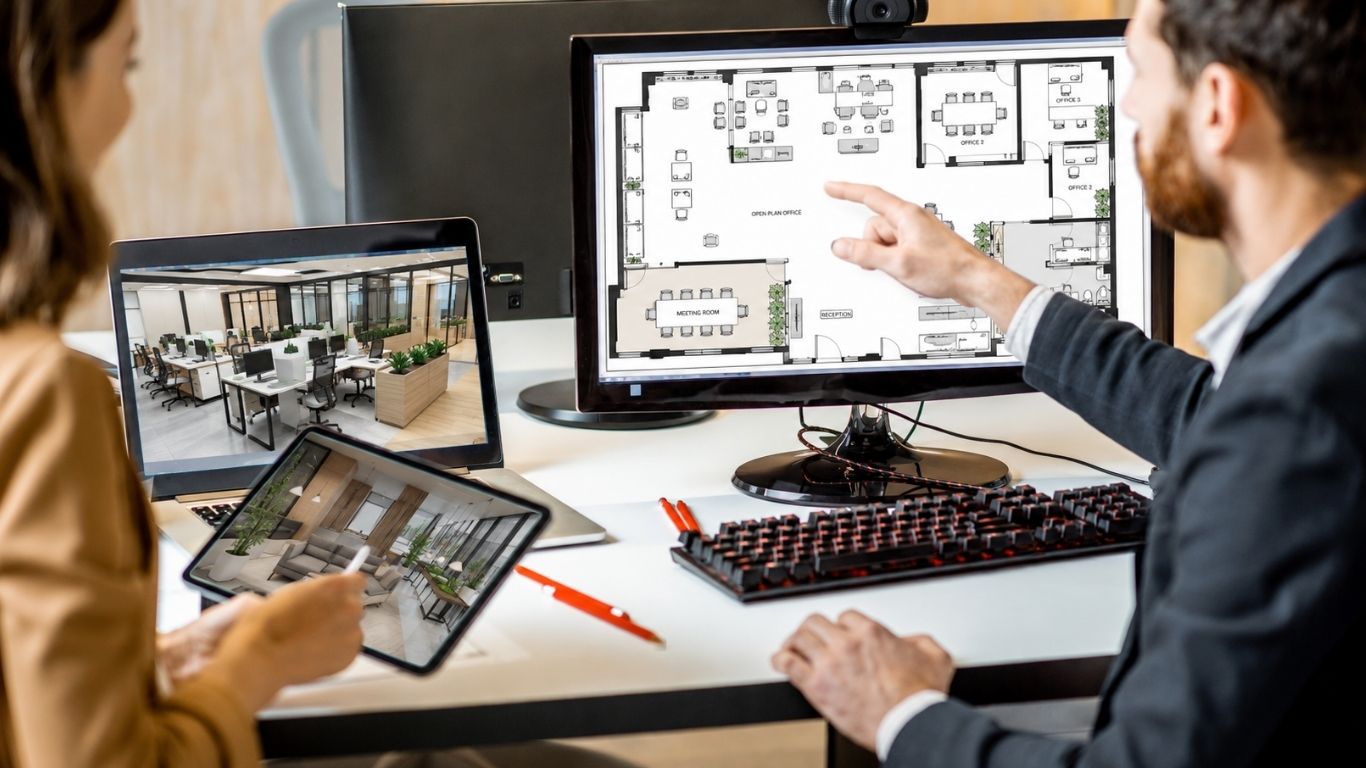
Modern workplace planning increasingly uses AI powered tools and occupancy data to inform layout decisions before a single piece of furniture is chosen, which makes the sequencing problem even easier to avoid than it once was. These tools can model different layout scenarios based on real headcount data, projected growth, and how similar businesses use comparable spaces, giving a much clearer picture of exactly how many workstations, meeting rooms, and collaborative areas a space should include before any purchasing decisions are made.
This data driven approach removes much of the subjectivity that previously made layout planning feel like a matter of opinion, replacing it with a clear, evidence based plan that furniture decisions can then be built around with confidence. Businesses that combine this kind of data driven layout planning with experienced workplace strategy input are far less likely to find themselves with furniture that does not suit the finished space, since every purchase is made against a plan that has already been tested and refined before any order is placed.
What Happens When the Mistake Has Already Been Made
Businesses that have already purchased furniture before finalising a layout are not necessarily facing a hopeless situation, but the process of correcting course does require a realistic assessment of what can be salvaged and what cannot. In some cases, existing furniture can be incorporated into a properly planned layout with only minor adjustments, particularly if the pieces are relatively standard in size and style. In other cases, a business may need to accept that certain items purchased prematurely simply do not suit the finished plan and will need to be repurposed, sold, or replaced.
This is a difficult conversation for many businesses to have, particularly after significant money has already been spent, but it is almost always less costly in the long run than attempting to force a layout to accommodate furniture that was never suited to the space in the first place. A workplace strategy partner brought in at this stage can help assess what is salvageable and design a layout that makes the best possible use of existing assets while avoiding further wasted spend on furniture that will not serve the finished office well.
Frequently Asked Questions
Why is it a mistake to buy office furniture before planning the layout? Furniture bought before a layout is finalised is often the wrong size, wrong quantity, or positioned incorrectly once the actual floor plan is developed. This leads to wasted spend, rework, and furniture that does not suit the finished space.
What should come first, layout planning or furniture selection? Layout planning should always come first. A proper layout, informed by workplace strategy, determines exactly how many workstations, meeting rooms, and storage areas a space needs, which then allows furniture to be selected precisely to fit that plan.
How does workplace strategy help avoid furniture mistakes? Workplace strategy examines how a business actually operates, how many people need to be accommodated, and how the business may grow or change. This information forms the basis of a layout, which then guides accurate furniture selection.
Can existing furniture be used if it was bought before a layout was planned? In some cases, yes, particularly if the furniture is relatively standard in size. However, some items may not suit the finished layout and may need to be replaced or repurposed, which a workplace strategy partner can help assess.
At Tridyum, every office project begins with workplace strategy and layout planning, ensuring furniture decisions are made with full knowledge of exactly what the finished space requires, rather than guessed at in advance.
Planning Properly Saves Money in the Long Run
It can feel counterintuitive that spending time on strategy and layout planning before purchasing furniture actually saves money, particularly when that planning process takes weeks rather than the immediate gratification of ordering furniture straight away.
However, the businesses that invest this time upfront consistently avoid the far more expensive costs of wasted furniture, rework, and disruption that come from getting the sequence wrong. A well planned layout ensures every piece of furniture purchased is the right size, the right quantity, and positioned exactly where it needs to be from the moment it arrives, rather than requiring adjustment, replacement, or awkward compromise once the true shape of the finished office becomes clear. This upfront investment in planning is not a delay to the project. It is what ensures the project only needs to be done once.
If your business is planning a new office and has not yet finalised a layout, contact Tridyum before making any furniture decisions to ensure every purchase is made with confidence and precision.