

For most of the history of the modern office, the answer to this question was never really in doubt. Every employee had a desk, that desk was theirs, and it stayed that way for as long as they worked at the company. This assumption shaped how offices were designed, how leases were sized, and how businesses budgeted for growth.
Today, that assumption is being questioned by almost every business that has gone through the shift toward hybrid working, and for good reason. With a meaningful proportion of employees working from home for part of the week, many offices are now paying rent, power, and maintenance costs on desks that sit empty more often than they are used. The question of whether every employee genuinely needs their own permanently assigned desk is no longer a fringe idea raised by cost cutting facilities teams. It has become one of the most practical and financially significant questions a growing or changing business can ask about its workplace.
Why This Question Has Become So Relevant
A few years ago, this would have been an unusual question to ask seriously. Assigned desking was simply how offices worked, and challenging it felt more like a workplace culture experiment than a genuine business decision. The shift toward hybrid working has changed this completely. Many businesses now have employees in the office on a rotating basis rather than every single day, which means the traditional one desk per employee model results in a significant amount of unused capacity on any given day.
This is not a hypothetical inefficiency. It represents real, ongoing cost, since office space is paid for regardless of whether a desk is occupied, and a business carrying more assigned desks than it typically needs on a busy day is effectively paying rent on space nobody is using most of the time. As businesses have become more focused on getting genuine value from their real estate spend, this question has moved from an interesting theoretical debate to a practical, financially material decision that directly affects the bottom line.
The Case for Assigned Desks
Before dismissing assigned desking entirely, it is worth being fair to the genuine benefits it offers, since these are real and matter to many employees and businesses. A permanently assigned desk gives employees a sense of ownership and stability, a small but meaningful piece of personal territory within the office where they can keep personal items, set up their equipment exactly as they like it, and return to a familiar, predictable environment each day. For roles that require specialised equipment, multiple monitors, specific ergonomic setups, or reference materials that are impractical to pack away daily, a fixed desk avoids the friction and lost time that comes with setting up and breaking down a workstation every single day.
Assigned desking can also support a stronger sense of team identity, since employees know exactly where their colleagues sit, which can make spontaneous conversation and quick questions easier than in a fully unassigned environment where a colleague’s location changes daily. These benefits are genuine, and businesses considering a move away from assigned desking should weigh them honestly rather than assuming flexibility is automatically the superior choice in every situation.
The Case Against Assigned Desks
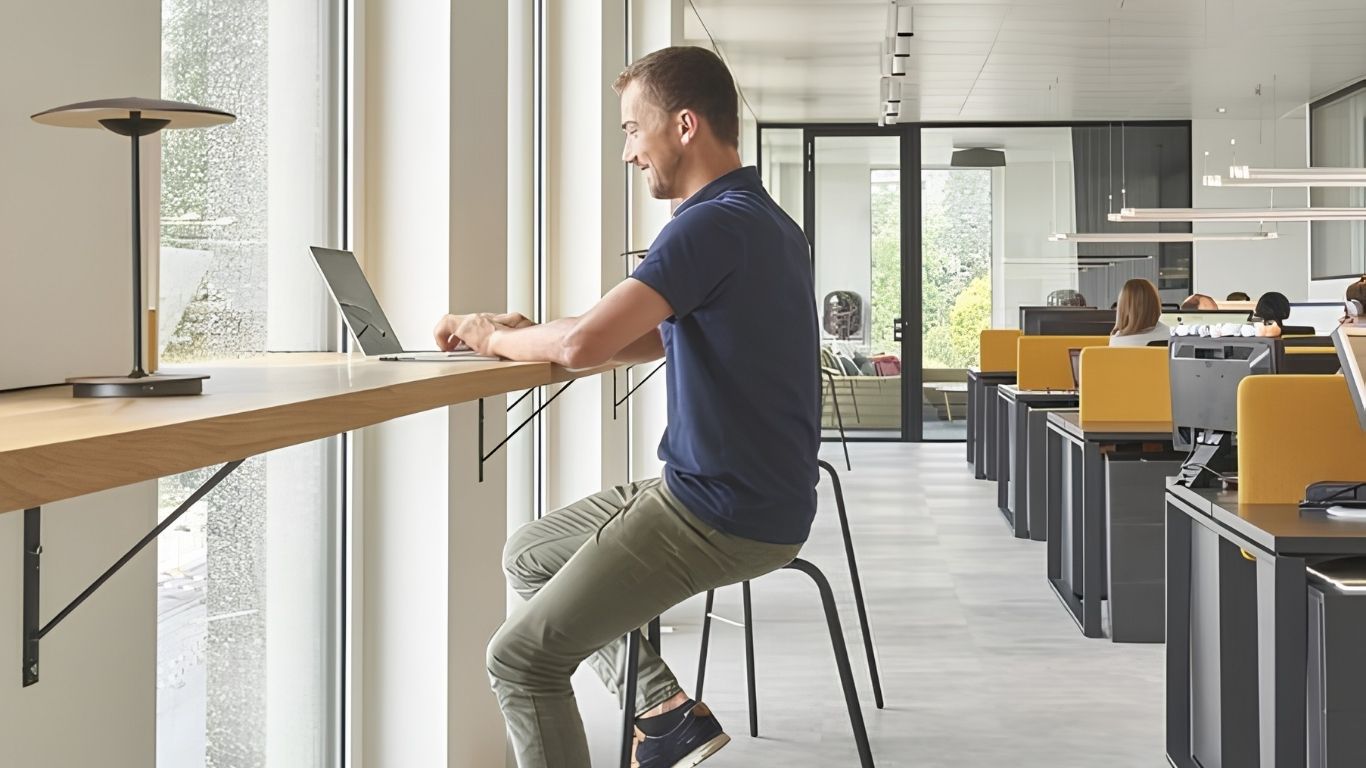
Set against these benefits, the case against universal assigned desking has become considerably stronger as hybrid working has taken hold. The most obvious argument is cost. A business paying for a fixed desk per employee, when a significant proportion of employees are only in the office two or three days a week, is carrying real estate capacity it does not consistently need, representing an ongoing, avoidable expense.
Beyond cost, assigned desking can also work against the kind of spontaneous collaboration many businesses are actively trying to encourage as a reason for coming into the office at all. When employees are fixed to the same desk regardless of what they are working on that day, opportunities for incidental interaction with different colleagues or teams are naturally limited. There is also a practical reality that assigned desks are frequently left visibly empty on any given day, which can create a subtly discouraging atmosphere, making an office feel underused and quiet even when overall attendance numbers are reasonably healthy. For businesses trying to build energy and a sense of activity in the office, rows of empty, personally claimed desks can work directly against that goal.
What the Data Usually Shows
Businesses that have reviewed their actual desk usage data, rather than relying on assumptions about how full the office is, are often surprised by the gap between perceived and actual occupancy. It is common for a business to believe its office is close to capacity, based on how busy it feels on the days most people happen to be in, while data reveals that average daily occupancy across the full working week is considerably lower once quieter days are factored in.
This gap matters considerably when deciding on a desking strategy, since a business planning desk numbers around its busiest day will end up with significant spare capacity on quieter days, while a business planning purely around its quietest day risks not having enough desks when more people choose to come in at once. Proper occupancy data, gathered over a meaningful period rather than a single snapshot, gives a business a far more accurate picture of what desking ratio genuinely makes sense, rather than relying on gut feel about how busy the office seems to be.
A Middle Ground Rather Than a Binary Choice
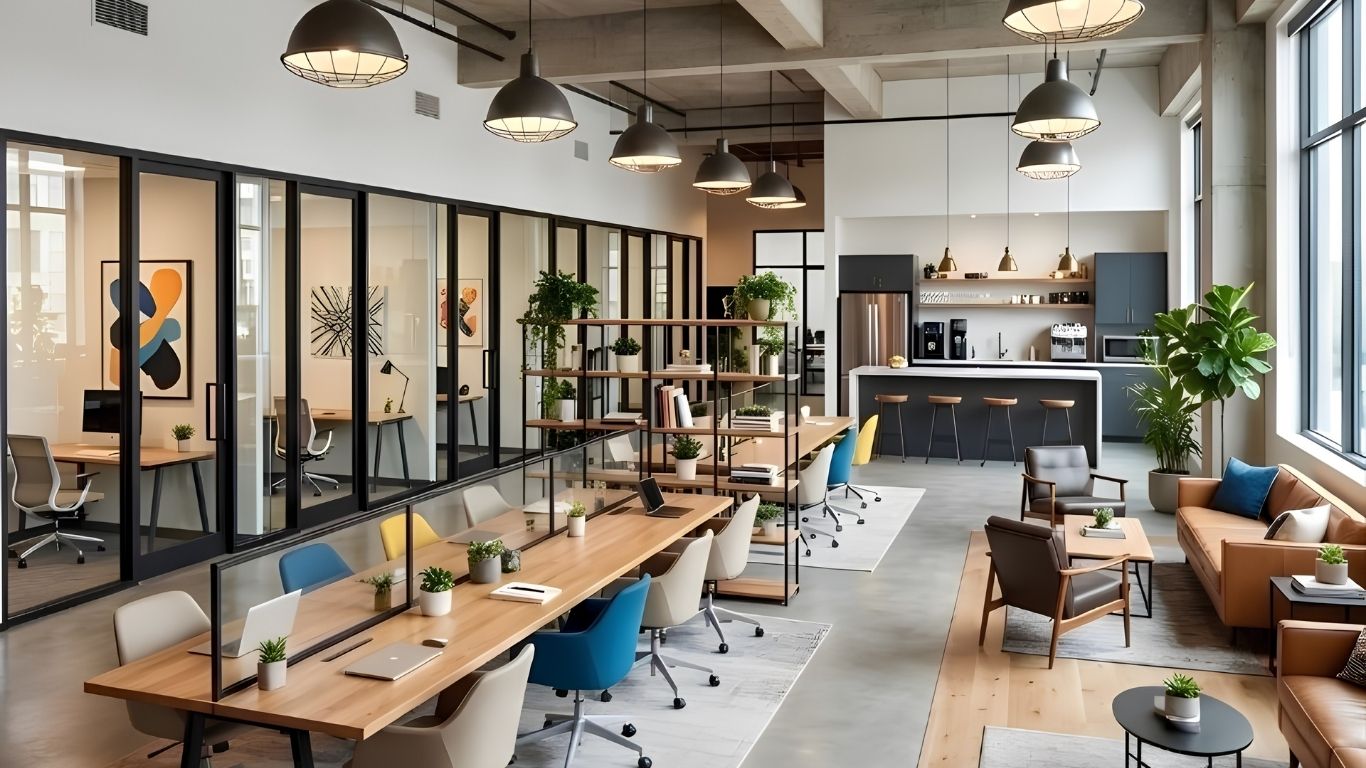
The most effective answer to this question, for most businesses, is rarely a complete switch to either fully assigned or fully unassigned desking. A more practical approach involves a hybrid desking model, where some roles or teams retain assigned desks because their work genuinely requires it, while other roles move to a shared or hot desking arrangement supported by proper booking systems and enough desk capacity to comfortably accommodate typical daily attendance.
This kind of blended approach allows a business to capture much of the cost efficiency of shared desking without forcing every employee into an arrangement that does not suit their specific role or working style. Getting this balance right requires a genuine understanding of how different teams within the business actually work, rather than applying a single desking policy uniformly across the entire organisation regardless of role.
Making the Transition Successfully
Businesses considering a move away from fully assigned desking should be aware that this change is as much about culture and communication as it is about physical layout. Employees who are used to having a fixed desk can understandably feel unsettled by a shift toward shared desking if it is introduced poorly, without clear communication about why the change is happening and how it will actually work day to day. Successful transitions tend to involve clear desk booking systems that give employees confidence they will have a suitable place to work each day, adequate storage solutions so employees do not need to carry all their belongings home every evening, and a genuine effort to ensure the resulting space feels well designed and comfortable rather than simply more cramped than before.
Businesses that treat this as purely a cost cutting exercise, without investing in the systems and space quality needed to make shared desking genuinely work well, often see resistance and reduced satisfaction, whereas businesses that approach it as a considered redesign of how the office supports actual working patterns tend to see the change adopted far more successfully.
Frequently Asked Questions
Does every employee need their own permanent desk? Not necessarily. With hybrid working now common, many businesses find that a portion of employees can share desks through a hot desking or hybrid model without any negative impact on their work, particularly for roles that do not require fixed, specialised equipment.
What is the main benefit of hot desking over assigned desks? The main benefit is cost efficiency. Businesses avoid paying for desk capacity that sits unused on quieter days, since desks are shared based on actual daily attendance rather than allocated permanently to individuals regardless of how often they are in the office.
Are there roles that should keep assigned desks? Yes. Roles that require specialised equipment, multiple monitors, or reference materials that are impractical to pack away daily are often better suited to a fixed desk, even within a business that has moved most other roles to a shared desking model.
How does a business decide the right desk to employee ratio? This is best determined using actual occupancy data gathered over a meaningful period, rather than assumptions based on how busy the office feels on its busiest days. This data reveals genuine average attendance and helps set a desking ratio that avoids both wasted space and overcrowding.
What This Means for Your Office
There is no single right answer to whether every employee should have their own desk, and any business claiming otherwise is likely oversimplifying a decision that genuinely depends on how a specific team works, what roles are involved, and how the business wants its office to feel day to day. What matters most is that the decision is made deliberately, based on real occupancy data and an honest understanding of different teams’ needs, rather than defaulting to either extreme simply because it is familiar or because it seems like the current trend. Getting this right has a direct impact on cost, on how the office actually feels to work in, and on whether the space genuinely supports the way the business operates today.
If your business is reviewing its desking strategy, contact Tridyum to get a clear, data backed answer for your specific workplace.