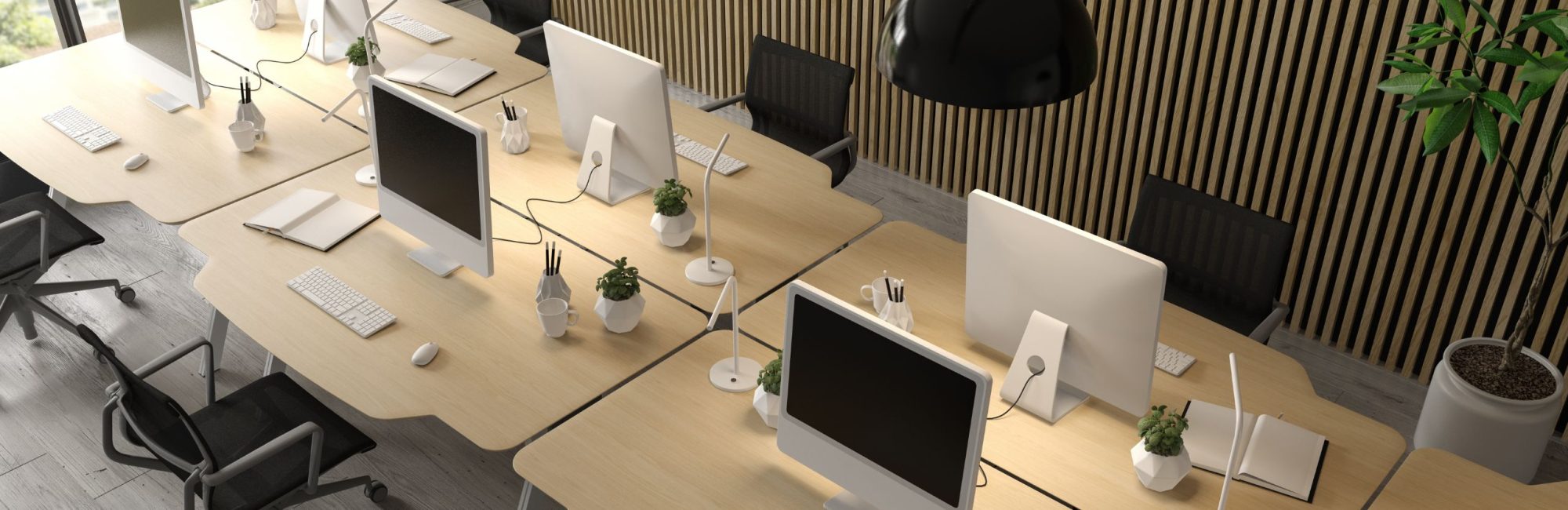
Walk into many corporate offices in South Africa today and you will notice a clear divide. Some workplaces still feel rigid, outdated, and heavily corporate, while others feel open, flexible, and intentionally designed to support how people actually work.
This gap is widening as businesses in Gauteng and across the country rethink what their offices should achieve. It is no longer enough for a workplace to simply house employees. Offices are now expected to attract talent, support hybrid work, reflect brand identity, and improve productivity.
As a result, office design in 2026 is shifting away from traditional layouts and towards more human-centred environments. Businesses are investing in furniture, finishes, and spatial layouts that create comfort, flexibility, and collaboration while still maintaining professionalism and operational efficiency.
For companies planning an office upgrade, renovation, or fit out, understanding these trends is essential. The right design decisions can influence how teams perform, how clients perceive the business, and how effectively space is used over time.
The Shift from Corporate Offices to Human-Centred Workplaces
One of the strongest movements in office design is the shift away from rigid corporate layouts towards environments designed around people.
Traditional offices were built for hierarchy and efficiency, with rows of desks, closed offices for management, and large formal boardrooms. While this structure supported past work models, it no longer reflects how modern teams operate.
Today, employees move between focused work, collaboration, virtual meetings, and informal discussions throughout the day. This requires a more flexible environment that supports multiple work styles within the same space.
South African businesses are increasingly redesigning offices to include a balance of:
- Quiet zones for focused work
- Collaborative spaces for teamwork
- Informal breakout areas
- Flexible meeting rooms
This human-centred approach is becoming a key driver of office design decisions, particularly in competitive sectors where attracting and retaining talent is critical.
Hospitality-Inspired Office Design Is Becoming the Standard
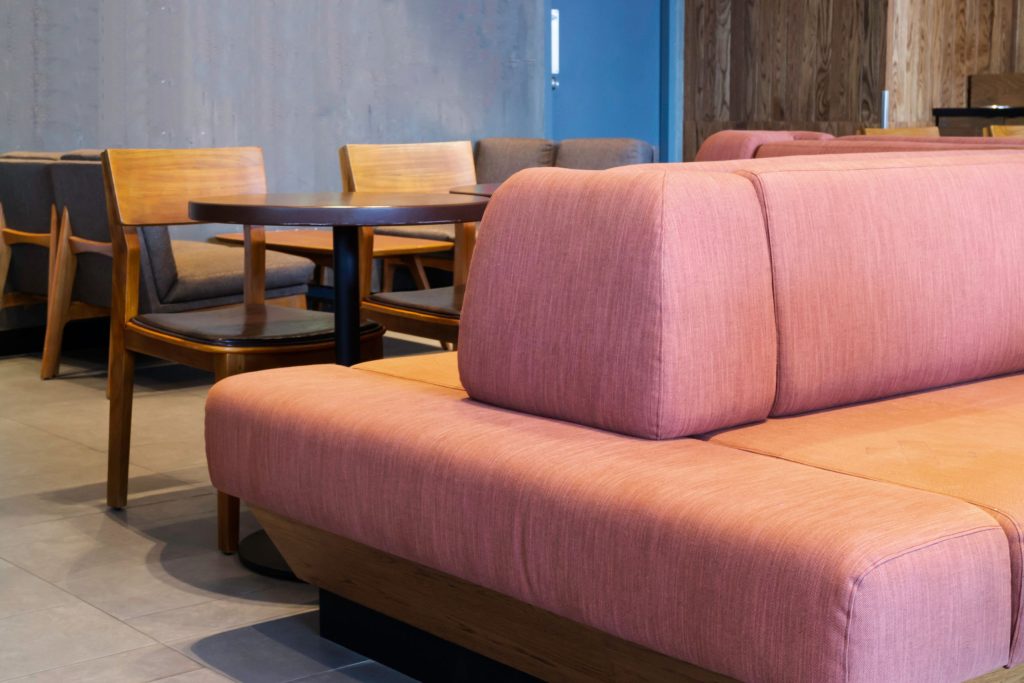
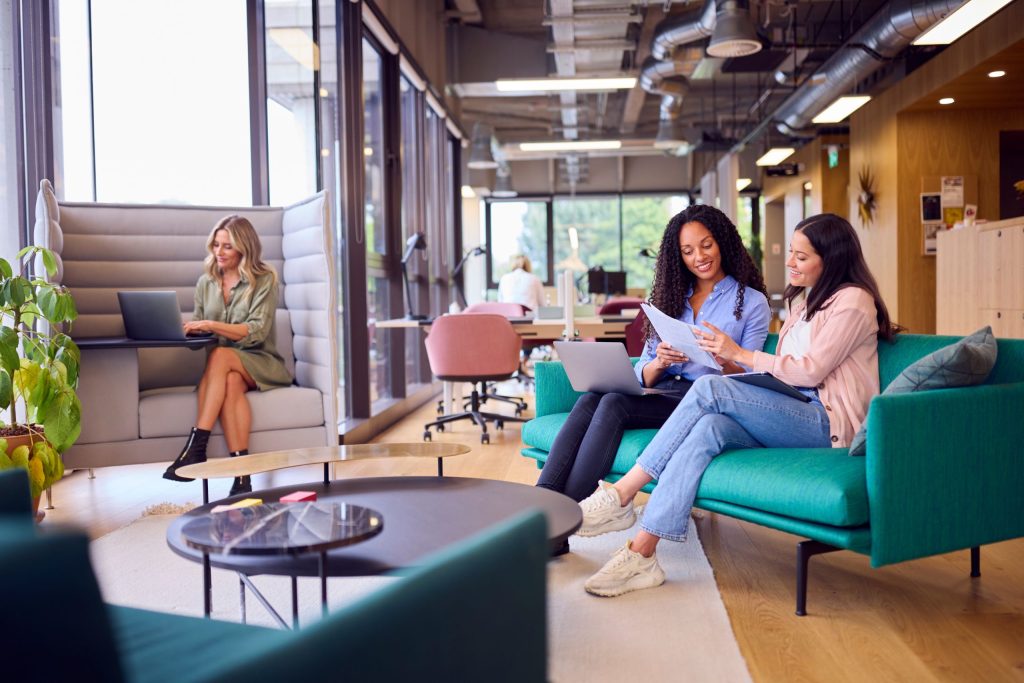
One of the most noticeable trends in 2026 is the influence of hospitality design on commercial interiors. Instead of sterile, purely functional environments, businesses are creating offices that feel welcoming, comfortable, and experience driven. The goal is to make employees feel like they belong in the space rather than simply occupy it.
This includes softer seating, lounge-style breakout areas, warm lighting, and textured materials that create a more relaxed atmosphere. Reception areas are also being redesigned to feel more like boutique hotel lobbies rather than traditional corporate entrances. This immediately shapes client perception and reinforces brand identity from the moment someone walks in.
For South African businesses competing for talent, this shift is particularly important. A well-designed office can influence whether employees want to return to the workplace or remain remote.
Office Furniture Is Becoming Modular and Multi-Purpose
Office furniture is no longer static or single purpose. Businesses are increasingly investing in modular furniture systems that can be reconfigured as needs change.
This is especially relevant in Gauteng, where companies often experience fluctuating team sizes and hybrid work patterns.
Key furniture trends include:
- Mobile desks and workstations
- Modular seating systems
- Height-adjustable work surfaces
- Reconfigurable meeting tables
- Acoustic furniture pods
These solutions allow businesses to adapt their office layout without major renovations or disruption.
Furniture procurement is now being approached as a long-term investment rather than a once-off purchase. This aligns closely with Tridyum’s Office Furniture and Procurement service, where functionality, durability, and flexibility are prioritised alongside design.
Biophilic Design and Natural Materials Are Gaining Momentum
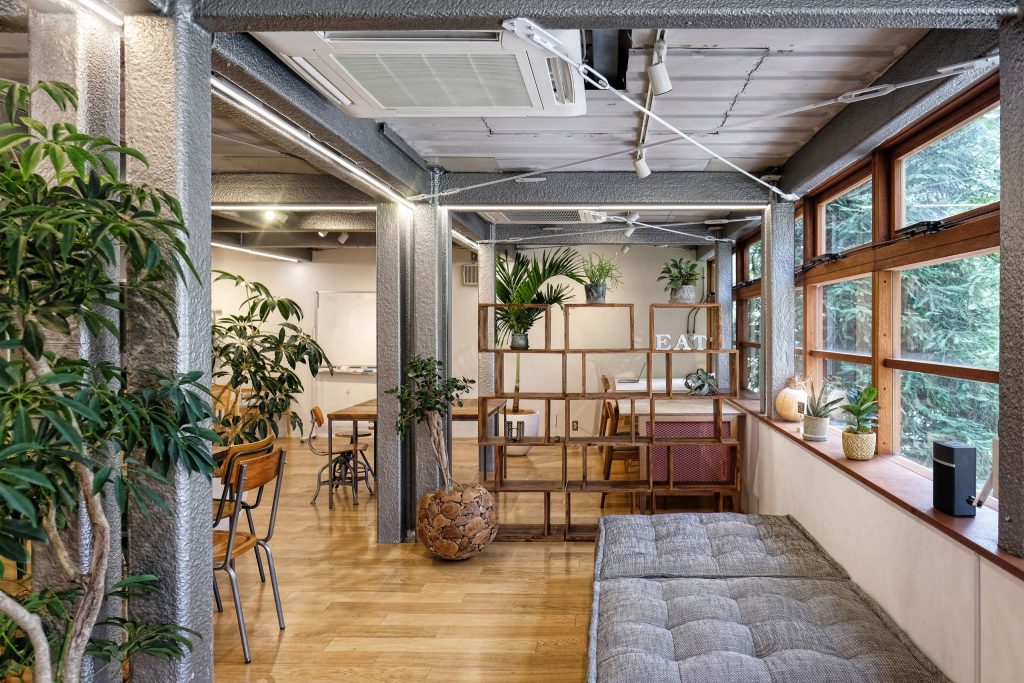
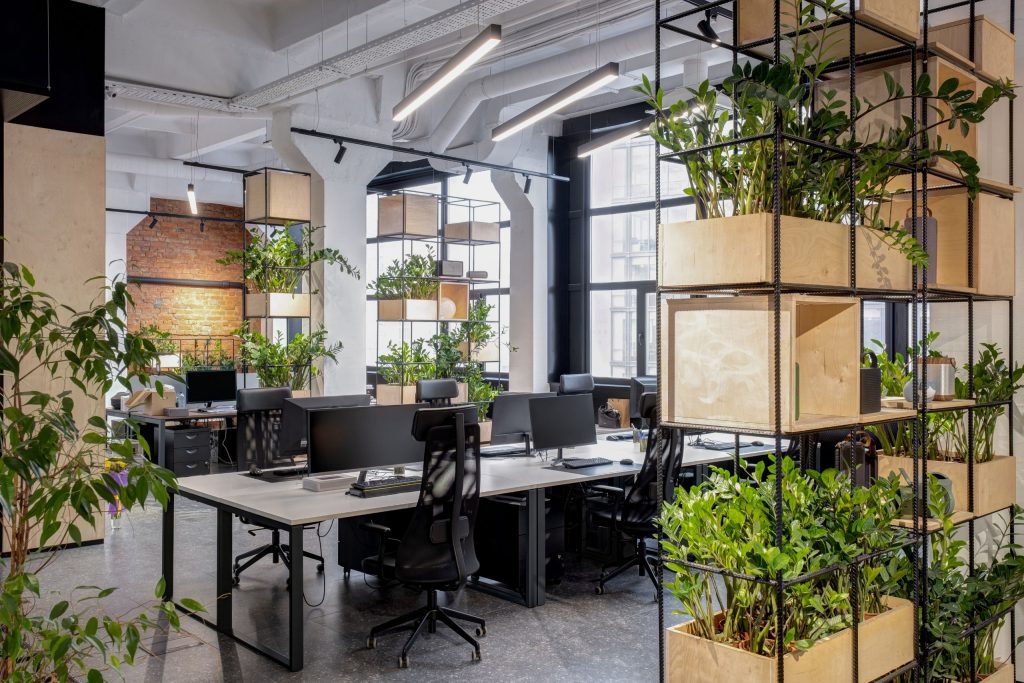
Another strong trend in South African office design is the use of natural materials and biophilic principles.
Businesses are increasingly incorporating elements that connect employees to nature, even in dense urban environments like Johannesburg and Sandton.
This includes:
- Timber finishes
- Indoor plants and green walls
- Natural textures such as stone and wood
- Increased natural light
- Earth-toned colour palettes
These design choices are not only aesthetic. They contribute to employee wellbeing, reduce stress levels, and create a more calming work environment.
In South Africa’s high-pressure business environment, these design elements are becoming an important part of workplace strategy rather than just visual styling.
Acoustic Design Is Now a Core Requirement, Not an Add-On
As open-plan offices remain popular, noise control has become one of the most important design considerations.
Businesses are increasingly investing in acoustic solutions to improve concentration and reduce distractions.
This includes:
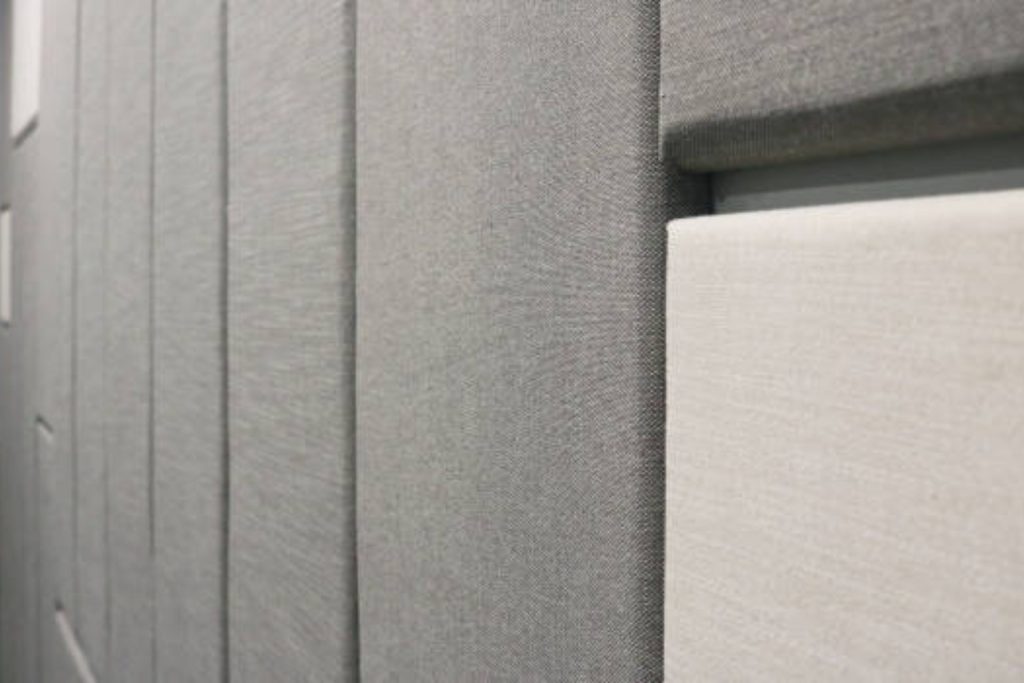
- Acoustic wall panels
- Sound-absorbing ceiling systems
- Upholstered furniture
- Acoustic meeting pods
- Zoned workspace layouts
Poor acoustics are one of the most common complaints in modern offices. Addressing this issue directly improves productivity and employee satisfaction.
Tridyum integrates acoustic planning into both Office Design and Space Planning services to ensure functionality is considered from the start of every project.
Brand Identity Is Driving Design Decisions More Than Ever
Office design is no longer just about aesthetics. It is now a direct extension of brand identity.
Businesses are using their physical environments to communicate:
- Professionalism
- Innovation
- Stability
- Creativity
- Company culture
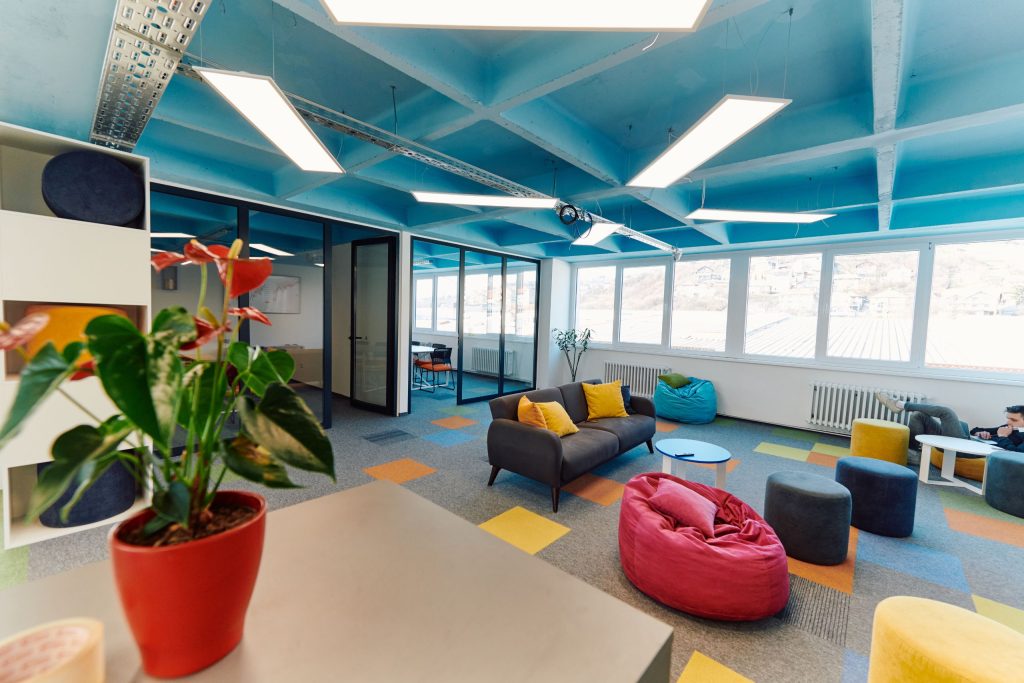
This is achieved through carefully selected materials, colour palettes, spatial layout, and lighting design. For example, a corporate law firm may prioritise clean lines, neutral tones, and structured layouts, while a creative agency may opt for bold colours, open collaboration zones, and informal meeting areas.
In both cases, the office becomes a physical representation of the brand experience. This is where Office Design and Workplace Strategy work together to ensure alignment between business goals and physical environment.
The Role of Office Design in Employee Retention
One of the most overlooked benefits of good office design is its impact on employee retention. In competitive industries, employees are more likely to stay with organisations that provide comfortable, well-designed workplaces.
A poorly designed office can contribute to:
- Low morale
- Reduced productivity
- Increased absenteeism
- Difficulty attracting new talent
In contrast, a thoughtfully designed workplace can improve engagement and strengthen company culture. For South African businesses dealing with skills shortages, this has become a critical consideration.
Combining Design, Furniture, and Strategy for Better Results
The most successful office projects in 2026 are not driven by design alone.
They combine:
- Workplace Strategy (how people work)
- Office Design (how the space looks and feels)
- Office Furniture (how the space functions)
- Space Planning (how everything fits together)
When these elements are aligned, businesses achieve workplaces that are both efficient and inspiring. This integrated approach is central to how Tridyum delivers commercial office environments that are functional, flexible, and future-ready.
Frequently Asked Questions About Office Design Trends
What are the biggest office design trends in South Africa for 2026?
Key trends include hospitality-inspired design, modular office furniture, biophilic elements, improved acoustic solutions, and flexible workspaces designed for hybrid working environments.
Why is office furniture so important in modern workplace design?
Office furniture directly impacts flexibility, comfort, and productivity. Modular and adaptable furniture allows businesses to reconfigure spaces as teams grow or workstyles change.
How does office design affect employee productivity?
Well-designed offices improve focus, collaboration, and wellbeing. Poor layouts, noise issues, and lack of functional spaces can significantly reduce productivity.
What is biophilic office design?
Biophilic design incorporates natural elements such as plants, natural light, timber, and organic textures to create healthier and more calming work environments.
Should office design reflect company branding?
Yes. Office design is a physical representation of brand identity and should communicate company values, culture, and professionalism through materials, layout, and aesthetics.
Designing Workplaces That Perform, Not Just Impress
Office design in South Africa is evolving rapidly. Businesses are no longer satisfied with generic corporate interiors. They want workplaces that support performance, reflect their brand, and adapt to changing workstyles. The trends shaping 2026 all point towards one clear direction: more flexible, human-centred, and strategically planned workplaces. For businesses planning an office upgrade, renovation, or new fit out, the key is not simply following trends but applying them in a way that supports operational goals.
Tridyum combines Office Design, Office Furniture Procurement, Workplace Strategy, and Space Planning to create environments that are built for how modern South African businesses work. Ready to transform your workplace? Contact Tridyum to explore how your office can be designed for performance, flexibility, and long-term growth.