
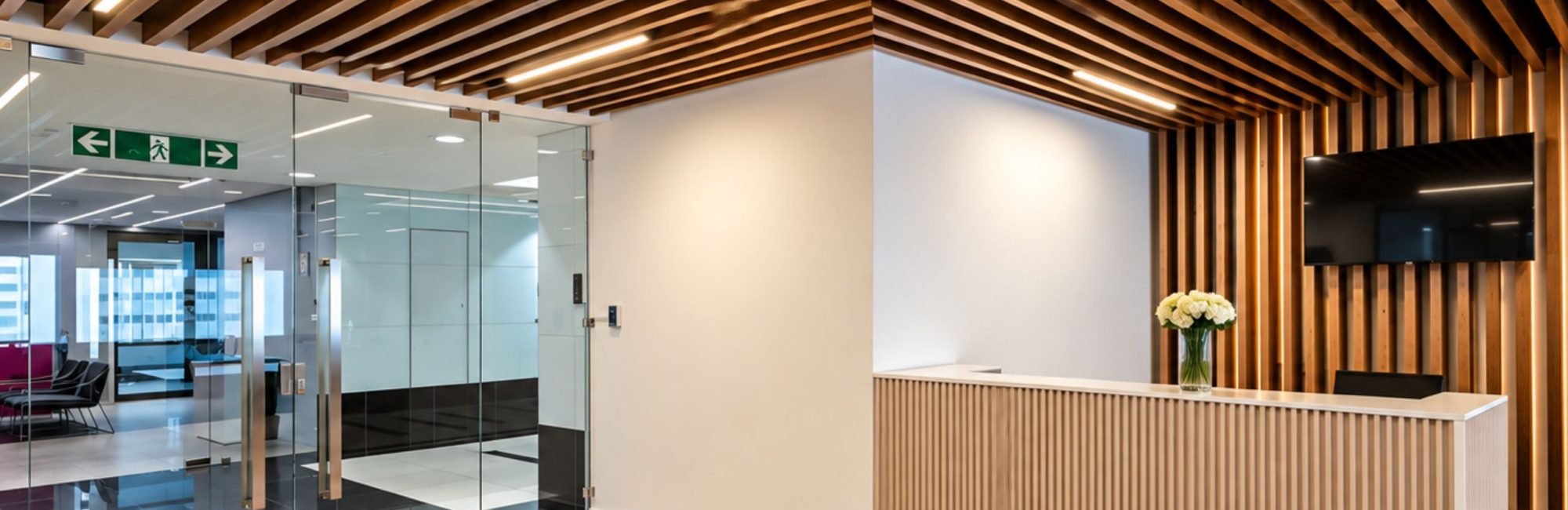
It is the kind of thing business owners notice without ever quite mentioning it out loud. You drive past a competitor’s building and the car park looks lighter than it used to. You visit their office for a meeting and walk past far more empty desks than occupied ones. You glance through the glass of a neighbouring business in your own commercial park and see a floor that should be humming with activity sitting conspicuously quiet. The instinctive reaction is often to read this as a signal of trouble, assuming a business with a visibly emptier office must be struggling, cutting costs reactively, or losing momentum. In a growing number of cases, this reading is simply wrong. What looks like decline is frequently the opposite, a deliberate, carefully considered strategic choice made by businesses who have examined their actual office usage and concluded that a quieter, less densely occupied space serves them considerably better than the alternative. Reading this pattern correctly, rather than dismissing it as decline, reveals one of the more important workplace shifts currently underway across the business landscape.
Why This Pattern Is So Easy to Misread
The assumption that a quiet office signals business trouble is deeply ingrained, largely because for most of recent business history, it was a reasonably reliable signal. A business that was genuinely struggling often did reduce headcount, which did result in a visibly emptier office, and this correlation shaped how most people instinctively interpret the pattern today. What this older assumption fails to account for is the fundamental shift hybrid working has introduced into how businesses plan and use their physical space.
A business can be growing steadily, hiring actively, and performing well financially, while still maintaining a visibly quieter office than it did several years ago, simply because a meaningful proportion of its workforce is no longer expected in the building on any given day. The emptiness, in this case, is not a symptom of fewer employees. It is a direct, intentional consequence of how those employees are now expected to work, and conflating the two leads to a fundamentally mistaken read of what is actually happening.
What Smart Businesses Are Actually Doing
The businesses behind these quieter offices have generally gone through a specific and deliberate process to arrive at this point, rather than simply allowing attendance to drift downward passively. Many have properly reviewed their actual occupancy data, often for the first time, and discovered a significant gap between how full their office felt on its busiest days and genuine average attendance across a full working week.
Rather than continuing to pay for desk capacity designed around peak, full attendance days, these businesses have made the deliberate choice to size their office around genuine average usage instead, accepting a visibly quieter space most days in exchange for a considerably more efficient use of their real estate budget overall. In many cases, this has gone hand in hand with investing the resulting savings into improving the quality of the space itself, meaning the office that looks quieter from the outside is often, on the inside, a more comfortable, better resourced environment than the one it replaced, even though it now accommodates fewer people on an average day.
The Strategic Logic Behind the Quiet
Understanding why this strategy makes genuine business sense requires setting aside the old assumption that office activity level is a proxy for business health, and instead examining the actual economics involved. Office space represents a significant, ongoing fixed cost for most businesses, typically scaling directly with square metreage regardless of how fully that space is actually used on any given day.
A business carrying office capacity designed for full attendance, while actually operating at a meaningfully lower average occupancy due to hybrid working, is effectively paying for unused capacity every single working day. This unused capacity represents real, recoverable cost, and businesses that have identified and addressed it are not cutting corners, they are eliminating genuine inefficiency that many of their competitors have simply not yet gotten around to examining. The resulting quieter office is not evidence of a business doing less. It is evidence of a business that has stopped paying for space it was never actually using.
Why This Shift Is Happening Quietly Rather Than Loudly
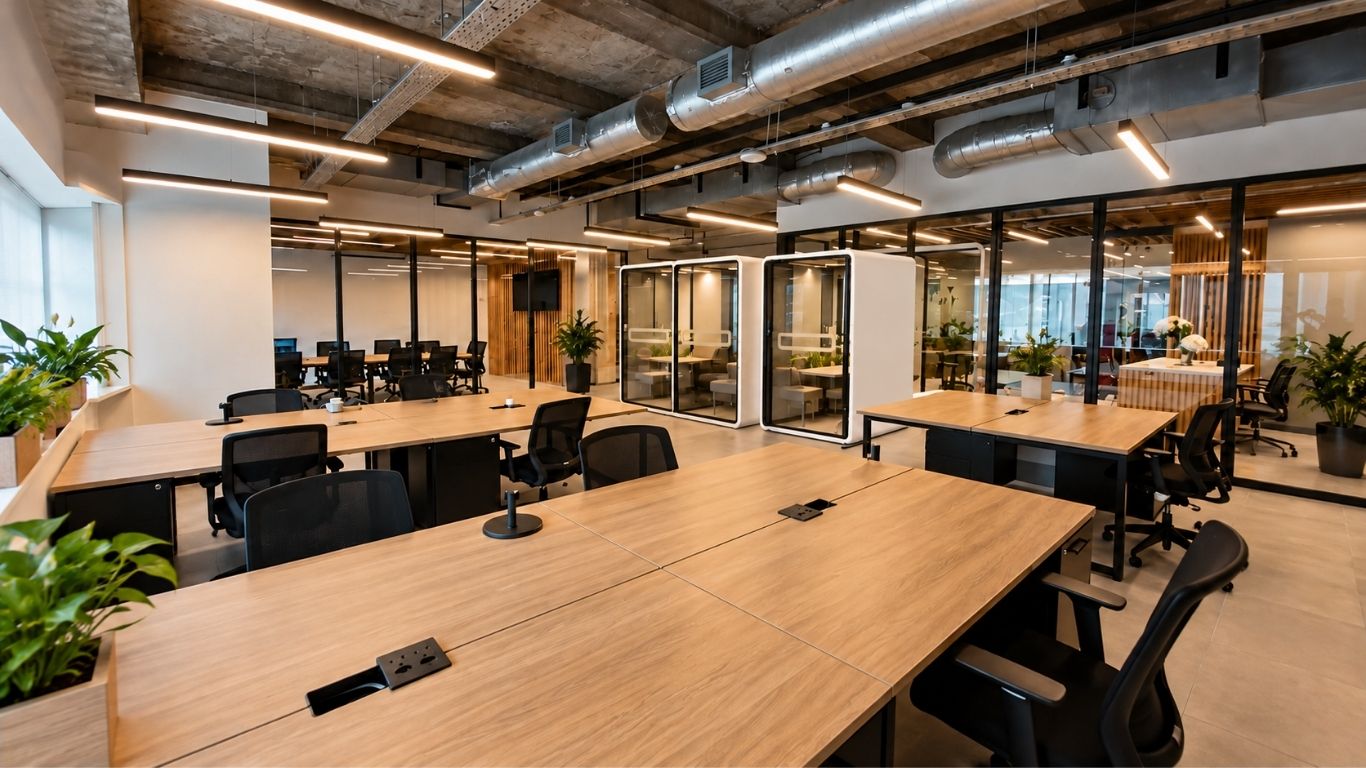
One of the more interesting aspects of this trend is how rarely businesses talk about it openly, despite how widespread it has become. This quietness is not accidental. Many businesses remain cautious about the optics of visibly reducing their office footprint or occupancy, worried that clients, employees, or competitors might misread the decision exactly the way described earlier in this article, as a sign of struggle rather than strategy.
This caution, while understandable, is increasingly outdated, since the underlying driver, hybrid working reshaping genuine attendance patterns, is now so widespread across nearly every industry that a quieter office is rapidly becoming the norm rather than the exception. Businesses that continue to assume a quiet competitor is a struggling one are likely to be increasingly wrong as this pattern becomes more common, and businesses that understand what is genuinely happening are far better positioned to make confident, informed decisions about their own space, rather than being influenced by an outdated signal that no longer means what it once did.
What This Means for How You Read Your Own Market
Recognising this pattern has a practical implication well beyond simple curiosity about a competitor’s circumstances. If a meaningful proportion of businesses in your industry or local market are quietly and deliberately reducing their office footprint based on genuine occupancy data, this represents a broader signal worth paying close attention to, since it suggests your own business may be carrying a similar, unexamined inefficiency without having properly investigated it.
Rather than assuming your own current office size is correct simply because it has always been that size, the existence of this wider trend is worth treating as a prompt to examine your own actual usage data honestly, rather than relying on how full or empty your own space happens to feel on any given day. Businesses that wait to make this assessment until forced by a lease renewal or a visible cost pressure are generally making the decision later and under more constraint than those who proactively investigate the question while they still have full flexibility over the outcome.
How to Investigate This in Your Own Business
A genuine assessment of whether your own office reflects a similar, unexamined opportunity starts with gathering real occupancy data over a meaningful period, rather than relying on impression or memory of how busy the space feels. This data should be examined not just for overall averages, but for patterns across different days of the week, different teams, and different types of space, since the opportunity for improvement is rarely distributed evenly across an entire office.
Once this data is in hand, it becomes possible to model what a more deliberately sized and designed space might look like, one that matches genuine usage rather than historical headcount, and to weigh the potential savings against the cost and disruption of making that change. This is precisely the kind of evidence based process the businesses behind those quieter offices have already gone through, and businesses that have not yet undertaken a similar review are, in effect, operating a year or two behind where the market is quietly heading.

Frequently Asked Questions
Does a quiet office always mean a business is struggling? No. In many cases a visibly quieter office reflects a deliberate decision to size space around genuine average attendance under hybrid working, rather than a decline in business performance. This has become an increasingly common and strategic choice among well run businesses.
Why are businesses choosing quieter, less densely occupied offices? Office space is a significant fixed cost that typically scales with square metreage regardless of actual usage. Businesses that have reviewed real occupancy data often discover they are paying for capacity built around peak attendance, and are choosing to size their space around genuine average usage instead.
Why don’t more businesses talk openly about reducing their office footprint? Many businesses remain cautious about how this decision might be perceived, worried it could be misread as a sign of struggle rather than strategy, even though the underlying driver, hybrid working, is now widespread across most industries.
How can my business tell if it has a similar opportunity? Reviewing genuine occupancy data over a meaningful period, rather than relying on how full the office feels day to day, is the most reliable way to establish whether your current footprint genuinely matches how your business actually operates.
Reading the Market Correctly
The next time a quieter competitor’s office prompts a passing thought about their circumstances, it is worth pausing on that assumption rather than accepting it automatically. In a growing number of cases, what looks like decline is simply a business that has done its homework, examined its real usage data, and made a confident, deliberate choice most of its competitors have not yet gotten around to making. The real question worth asking is not what is happening to them. It is whether your own office reflects the same unexamined opportunity.
If you want an honest, data backed answer, contact Tridyum to review how your current space actually compares to how your business really works.