
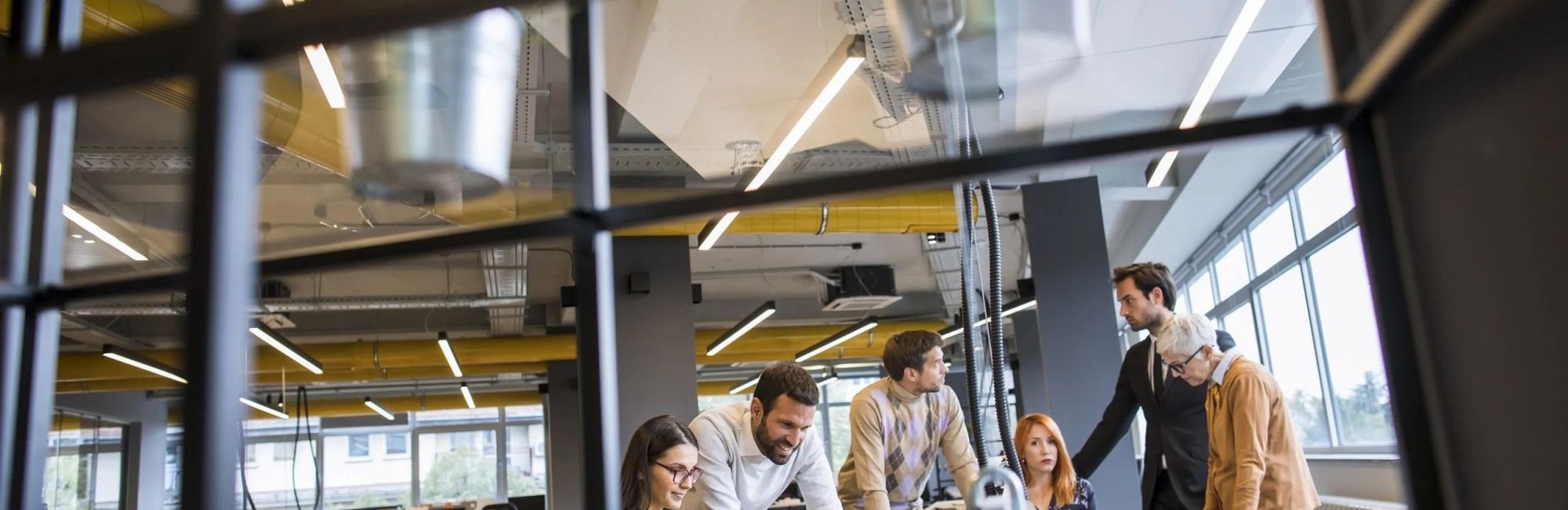
It is one of the most common tensions in workplace planning, and it rarely gets discussed openly enough during the design process. Leadership, often driven by a genuine belief that in person collaboration drives innovation, culture, and business results, pushes for an open, social, highly connected office. Employees, meanwhile, frequently report that what they actually want from the office is the ability to concentrate without constant interruption, particularly given how easily focused work can be done from home without the noise and movement of a busy shared space. Both sides of this tension are legitimate. Leadership is right that meaningful collaboration matters and genuinely benefits from physical proximity in ways that video calls struggle to replicate. Employees are equally right that constant noise and interruption make deep, focused work genuinely difficult, and that an office offering no advantage over working from home gives them little reason to make the commute at all. The question of who wins this tension is the wrong question to ask, because a well designed office does not force a choice between the two. It is built to support both.
Why This Tension Keeps Coming Up
This conflict tends to resurface in almost every workplace project because it reflects a genuine, unresolved disagreement about what the office is actually for. Leadership frequently views the office primarily through the lens of culture and collaboration, since these are the outcomes most visible and most valued from a strategic vantage point. Employees, who experience the office as the place where their actual daily work gets done, are naturally more attuned to how well the space supports their ability to complete that work effectively. Neither perspective is wrong, but when a workplace project proceeds without deliberately reconciling these two views, the result tends to reflect whichever voice was loudest or most senior during the design process, rather than a genuinely balanced outcome. This is precisely why the tension so often resurfaces after a new office has already opened, once employees discover in practice that a beautifully collaborative space has quietly made it much harder for them to get focused work done.
The Business Case for Collaboration Is Real
It is worth taking leadership’s instinct toward collaboration seriously, because the underlying business case is genuinely sound. Physical proximity does tend to increase the frequency and quality of informal interaction, the kind of unplanned conversation that often leads to problem solving, idea generation, and relationship building in ways that scheduled video calls rarely replicate. For businesses relying on cross functional teamwork, client relationships, or a strong sense of shared culture, particularly in a hybrid environment where in person time is limited and therefore more valuable, prioritising space that genuinely enables interaction is a reasonable and often necessary strategic choice. Dismissing this instinct as simply an outdated preference for open plan design misses the genuine strategic reasoning behind it, and businesses that ignore this reasoning entirely in favour of a purely quiet, cellular office risk losing much of the value that bringing people together in person is actually meant to provide.
The Business Case for Focus Is Equally Real
At the same time, the employee argument for quiet, focused space deserves to be taken just as seriously, because a meaningful proportion of most people’s work genuinely requires sustained concentration that a noisy, highly social environment actively undermines. Research into workplace productivity consistently shows that frequent interruption and background noise measurably reduce the quality and speed of focused work, and employees who feel their office offers no meaningful advantage over working from home, precisely because it is louder and more distracting than their home environment, have a legitimate reason to question why they should make the commute at all. A business that prioritises collaboration so heavily that it neglects the practical reality of focused work is not building a more productive office. It is simply shifting the burden of focused work back onto employees’ own time, often at the cost of their willingness to be in the office in the first place.
Reframing the Question Entirely
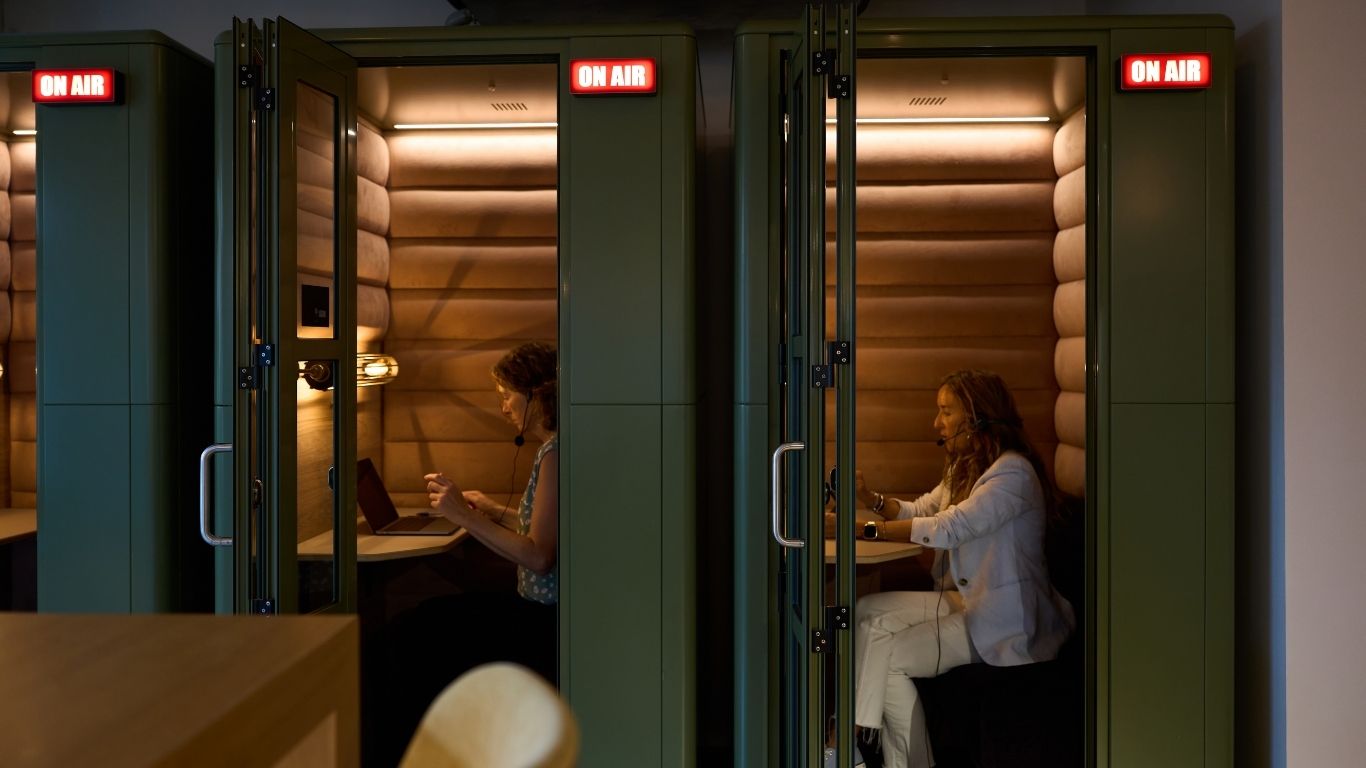
The most useful shift a business can make is to stop framing this as a competition between two opposing priorities and start framing it as a genuine design problem to be solved through thoughtful space planning. A well designed office does not need to choose between collaboration and focus as though they were mutually exclusive outcomes competing for the same square metres. Instead, it deliberately creates distinct zones suited to each mode of work, positioned and designed in a way that allows both to coexist without constantly undermining one another. This reframing matters because it moves the conversation away from an unresolvable values disagreement between leadership and employees, and toward a practical design brief that a skilled workplace strategist can actually solve through careful planning, rather than through compromise that ultimately satisfies neither side particularly well.
What Genuine Zoning Actually Looks Like
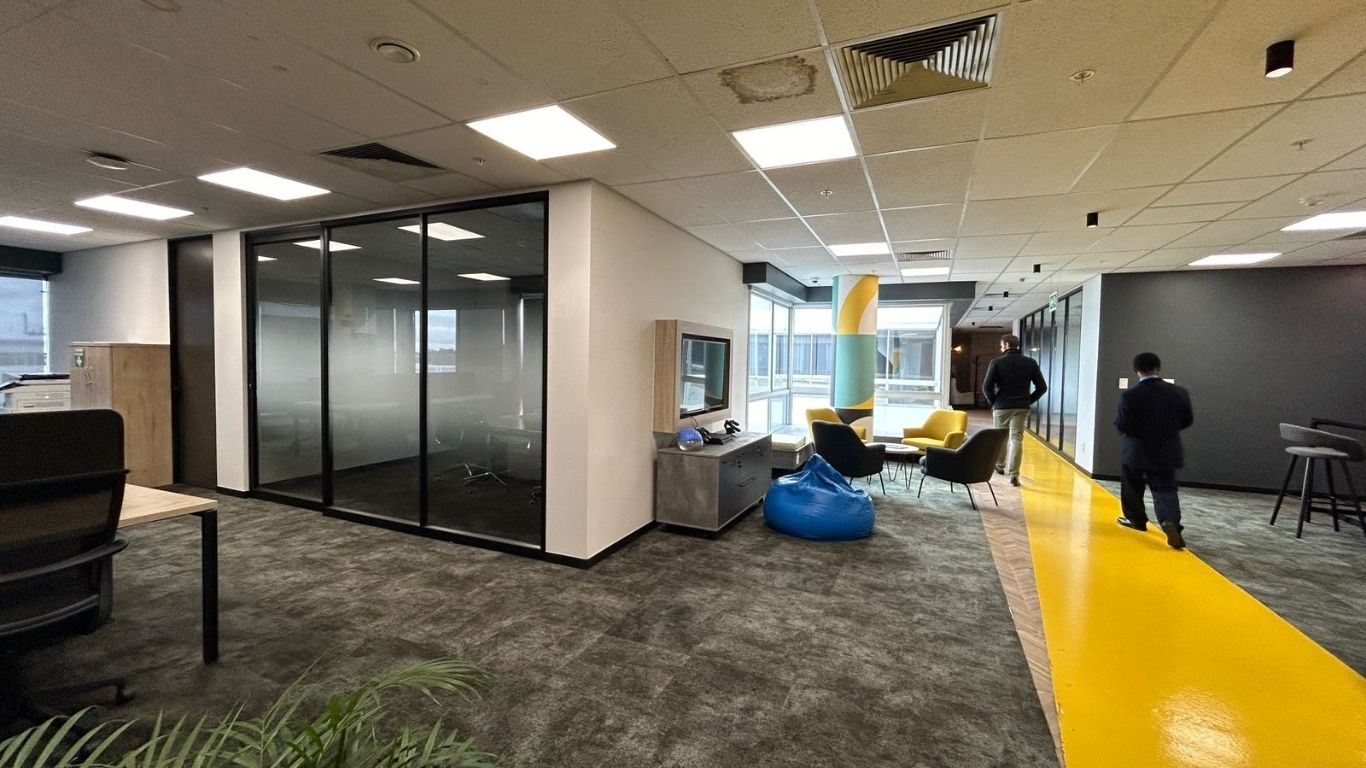
Effective zoning goes considerably further than simply labelling one area collaborative and another quiet. It requires thinking carefully about acoustic separation, so that noise from a lively collaboration zone does not bleed into nearby areas intended for focused work. It requires thoughtful circulation planning, ensuring that the natural paths people take through the office do not force quiet zones to sit directly on high traffic routes where interruption becomes unavoidable regardless of the space’s intended purpose. It also requires an honest acknowledgment that different roles and working styles need different ratios of each type of space, meaning a genuinely effective layout is rarely a simple fifty fifty split, but rather a considered balance based on how the specific business and its teams actually work day to day. Getting this right requires more deliberate planning than either extreme, a fully open collaborative office or a fully cellular quiet one, both of which are considerably easier to design because they avoid the harder work of genuinely reconciling two legitimate but competing needs.
Involving Both Perspectives Early
One of the most effective ways to resolve this tension in practice is to ensure both leadership’s collaboration goals and employees’ genuine working needs are represented early in the workplace strategy process, rather than allowing the loudest voice to shape the brief by default. This might involve structured input from employees across different roles and teams, honest occupancy and usage data showing how the current office is actually being used, and a clear articulation from leadership about what business outcomes collaboration is genuinely meant to support, rather than treating it as a value in itself. When both perspectives are brought into the process deliberately, the resulting brief tends to be considerably more specific and more useful than a generic instruction to make the office more collaborative, since it forces a business to articulate exactly what kind of collaboration matters most, and for which teams, rather than applying an open, social design uniformly across an entire office regardless of how different groups actually work.
Why This Is a Strategic Decision, Not Just a Design One
It is worth being clear that resolving this tension well is fundamentally a workplace strategy decision, not simply an interior design one. The right balance between collaborative and focused space depends entirely on the specific business in question, including its industry, its client base, the nature of the work its teams perform, and its broader goals for how the office should function within a hybrid working model. A business that treats this as a purely aesthetic decision, choosing a mix of open and enclosed spaces based on what looks appealing, risks missing the deeper strategic questions that should actually be driving the balance. Getting this right requires the same kind of upfront strategic thinking that should precede any significant workplace decision, understanding the business first, and only then translating that understanding into a specific, well reasoned layout.
Frequently Asked Questions
Can an office genuinely support both collaboration and focused work? Yes. This requires deliberate zoning, with distinct areas designed for each mode of work, careful acoustic separation, and thoughtful circulation planning so that collaborative energy does not bleed into spaces meant to support concentration.
Why do employees often resist collaborative, open plan offices? Frequent noise and interruption in fully open environments can measurably reduce focus and productivity. Employees whose office offers no advantage over working from home, because it is louder and more distracting, often have legitimate reasons to question the value of coming in.
How should a business decide the right balance between collaborative and quiet space? This balance should be based on how the specific business and its teams actually work, supported by genuine occupancy data and clear leadership goals, rather than applying a generic ratio or copying another company’s layout.
Is this tension mainly a design issue or a strategic one? It is fundamentally a workplace strategy issue. The right balance depends on business specific factors such as industry, client base, and how teams genuinely work, which is why this decision should be approached strategically rather than purely aesthetically.
Solving the Tension Rather Than Choosing a Side
The businesses that handle this well are not the ones who declare a winner between leadership’s collaboration goals and employees’ need for focus. They are the ones who recognise both as legitimate and treat reconciling them as a genuine design and strategy challenge, rather than a debate to be settled by whoever has more influence over the final decision. This requires more careful, upfront thinking than simply picking a design direction and hoping it works out, but it consistently produces offices that serve the entire business rather than just one part of it.
If your business is trying to balance collaboration and focus in your next workplace project, contact Tridyum to design a space that genuinely supports both.