
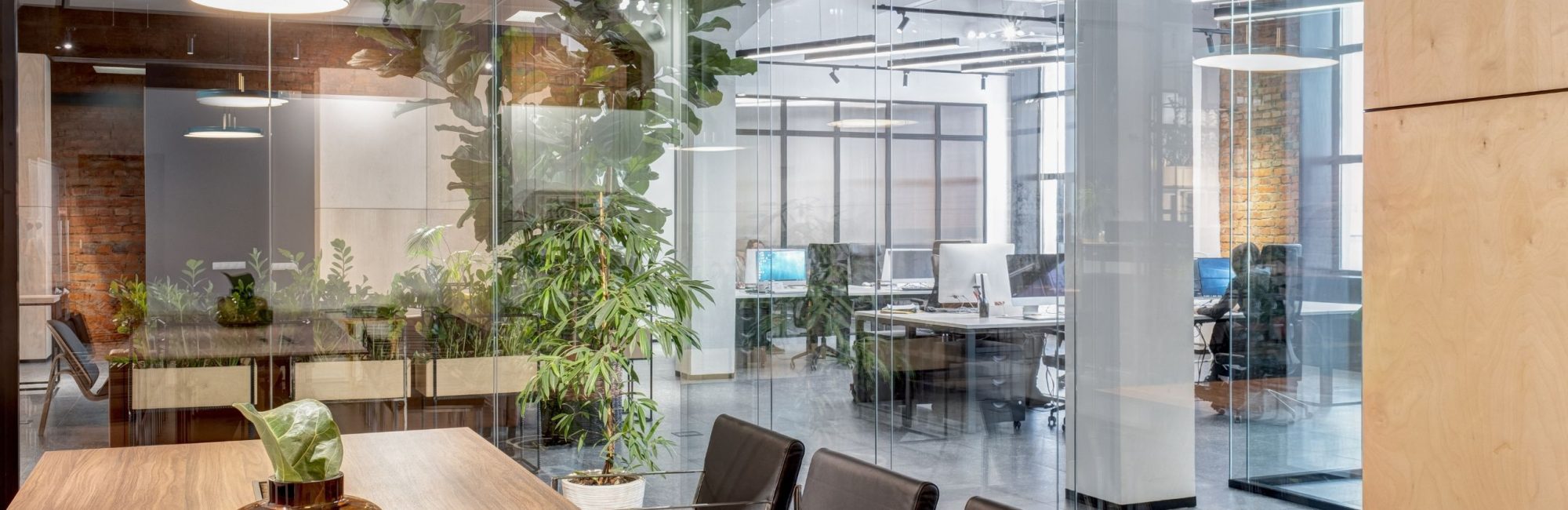
Almost every workplace project begins the same way. Someone on the leadership team visits a competitor’s office, sees a client’s new fit out, or scrolls through a set of glossy interior photos online, and comes back with a clear reference point in mind. That reference point quickly becomes the unofficial benchmark for the project that follows, shaping conversations about layout, finishes, and even the overall feel the business is aiming for. This instinct is entirely understandable. It is far easier to point at something tangible and say we want something like that than it is to articulate, from first principles, exactly what a business needs from its own space. The problem is that this instinct, while natural, tends to quietly steer workplace projects in the wrong direction, because it answers a question nobody actually asked. The right question was never what does a good office look like elsewhere. It was always what does this specific business need its office to do.
Why Benchmarking Feels Like the Safe Choice
Benchmarking against other offices feels safe because it offers a sense of external validation. If a well regarded company down the road has an open, collaborative layout with a striking reception area, it is tempting to assume that copying elements of that approach will produce a similarly successful outcome. This thinking treats office design as though it were a fashion trend, something that can be adopted wholesale because it worked well somewhere else. In reality, workplace design decisions that succeed in one business often succeed precisely because they were built around that specific business’s culture, working patterns, and objectives, none of which necessarily transfer to a different organisation simply because the finishes and layout look appealing in photographs. A business that borrows the aesthetic of another company’s office, without understanding the strategic reasoning that shaped it, risks ending up with a space that looks impressive but does not actually function well for the people using it day to day.
The Difference Between Inspiration and Direction
There is an important distinction between using other offices as a source of inspiration and using them as the actual direction for a project. Looking at other spaces can be genuinely useful for understanding what is technically possible, seeing how certain materials or layouts feel in practice, or sparking ideas that a business had not previously considered. This becomes a problem only when inspiration quietly turns into the actual brief for the project, with a business essentially recreating what it saw elsewhere rather than working backward from its own specific needs.
A useful test for any business reviewing another office for ideas is to ask why a particular element works in that space, rather than simply whether it looks good. If the answer to that question cannot be clearly connected to something true about the visiting business’s own culture, working style, or client base, that element is probably inspiration rather than genuine direction, and should be treated accordingly rather than adopted uncritically into the brief.
What Benchmarking Gets Wrong About Workplace Strategy
The deeper issue with benchmarking is that it starts the workplace design process at entirely the wrong point. A properly run workplace strategy process begins by understanding how a specific business actually works, what its people need to do well, how the organisation is likely to change over the coming years, and what the office is genuinely meant to achieve for the business. Only once these questions have been answered does it make sense to move into layout and design decisions, and even then, those decisions should be justified by reference back to the strategy rather than to how another company’s office happened to look.
Benchmarking skips this entire process and jumps straight to the visual outcome, effectively borrowing someone else’s answer to a question that was never actually asked about the business doing the borrowing. This is precisely why so many office projects that start from a benchmarking mindset end up requiring costly adjustments once the space is in use, because decisions were made based on how a space looked rather than on what it was actually meant to do.

Every Business Is Solving a Different Problem
Two businesses can occupy visually similar offices while facing entirely different underlying challenges, which is exactly why comparing spaces on appearance alone is such a limited way to make decisions. A professional services firm trying to project credibility and stability to cautious clients has a fundamentally different set of priorities to a fast growing technology company trying to signal energy and innovation to attract talent in a competitive market.
A business built around deep, focused individual work has different space requirements to one built around constant cross functional collaboration between teams. Even two businesses operating in the same industry can have meaningfully different needs depending on their specific client base, their growth trajectory, or the way their particular teams prefer to work. Recognising that every business is genuinely solving a different problem is the first step toward moving away from generic benchmarking and toward a workplace strategy that is actually built around the business in question, rather than borrowed from someone else’s context.
The Risk of Chasing Trends Instead of Fit
Benchmarking is often closely linked to chasing broader design trends, since the offices businesses tend to reference are frequently the ones currently receiving the most attention for being visually striking or on trend. Trends are not inherently a problem, and some genuinely reflect meaningful shifts in how people want to work. The danger lies in adopting a trend simply because it is prominent, without asking whether it genuinely fits the business in question.
An open plan, highly social layout might be exactly right for one organisation and entirely wrong for another whose work depends heavily on quiet, focused concentration. A striking, statement reception area might make sense for a business that regularly hosts high value client visits, and represent significant wasted spend for a business that rarely receives visitors at all. Chasing trend driven design without testing it against genuine business fit tends to produce offices that photograph well but function poorly, which is a trade off very few businesses would consciously choose if the choice were framed to them directly.
Building a Strategy That Starts with Your Own Business
A more effective approach replaces the instinct to benchmark with a structured process of understanding the business itself before any design conversation begins. This means examining how teams actually work day to day, not how leadership assumes they work. It means understanding genuine occupancy patterns and space usage, rather than relying on impressions of how full or empty the office feels. It means having an honest conversation about what the office is actually meant to achieve, whether that is supporting focused work, enabling collaboration, projecting a particular brand image, or some combination of all three, and being clear about which of these takes priority when trade offs inevitably need to be made. Only once this understanding is in place does it make sense to move into layout, design, and material decisions, and at that point, those decisions are being justified by genuine business need rather than by reference to how someone else’s office happened to look in a set of photographs.
Why This Distinction Matters More Than It Seems
It would be easy to dismiss this as a somewhat academic distinction, since in both cases a business ends up commissioning a new or redesigned office regardless of which approach it follows. In practice, the difference in outcome between a benchmarked office and a strategically designed one is often significant, and it tends to become most visible well after the project is complete.
A benchmarked office frequently requires costly adjustments within the first year or two of occupancy, as the gap between how the space looks and how it actually needs to function becomes apparent through daily use. A strategically designed office, by contrast, is far more likely to continue serving the business well over time, precisely because it was built around a genuine understanding of what the business needed rather than around an external reference point that had little real connection to the organisation’s own circumstances.

Frequently Asked Questions
Why shouldn’t I use other offices as inspiration for my own workplace design? Other offices can be a useful source of inspiration, but they should never become the actual direction for your project. Design elements that work well elsewhere are often successful because they were built around that specific business’s culture and needs, which may not transfer to your own organisation.
What should I focus on instead of benchmarking against competitors? Focus on understanding your own business first, including how your teams actually work, how the space is genuinely used, and what the office is meant to achieve. Design and layout decisions should follow from this understanding rather than from copying another company’s approach.
Is it ever useful to look at other offices during a workplace project? Yes, as long as it is treated as inspiration rather than direction. It is worth asking why a particular element works in another space, and whether that reasoning genuinely applies to your own business, rather than adopting it simply because it looked appealing.
What is the risk of designing an office based on current trends? Trend driven design can result in a space that photographs well but does not function properly for your specific business, particularly if the trend does not genuinely fit how your teams work or what your clients expect when they visit.
Where Strategic Thinking Actually Begins
The businesses that end up with genuinely effective workplaces are rarely the ones who found the best office to copy. They are the ones who resisted that instinct and instead asked harder, more specific questions about their own organisation before a single design decision was made. This kind of thinking does not happen automatically, and it is often easiest to achieve with an outside perspective that is not influenced by internal assumptions or the pull of whatever office happens to be generating attention at the moment. Businesses that engage this kind of strategic thinking early, before deciding on layouts, finishes, or even whether to move or redesign, tend to make far better decisions than those who start with a reference photo and work backward from there.
If your business is starting to think about its next workplace project, contact Tridyum before you start looking at other offices for inspiration.