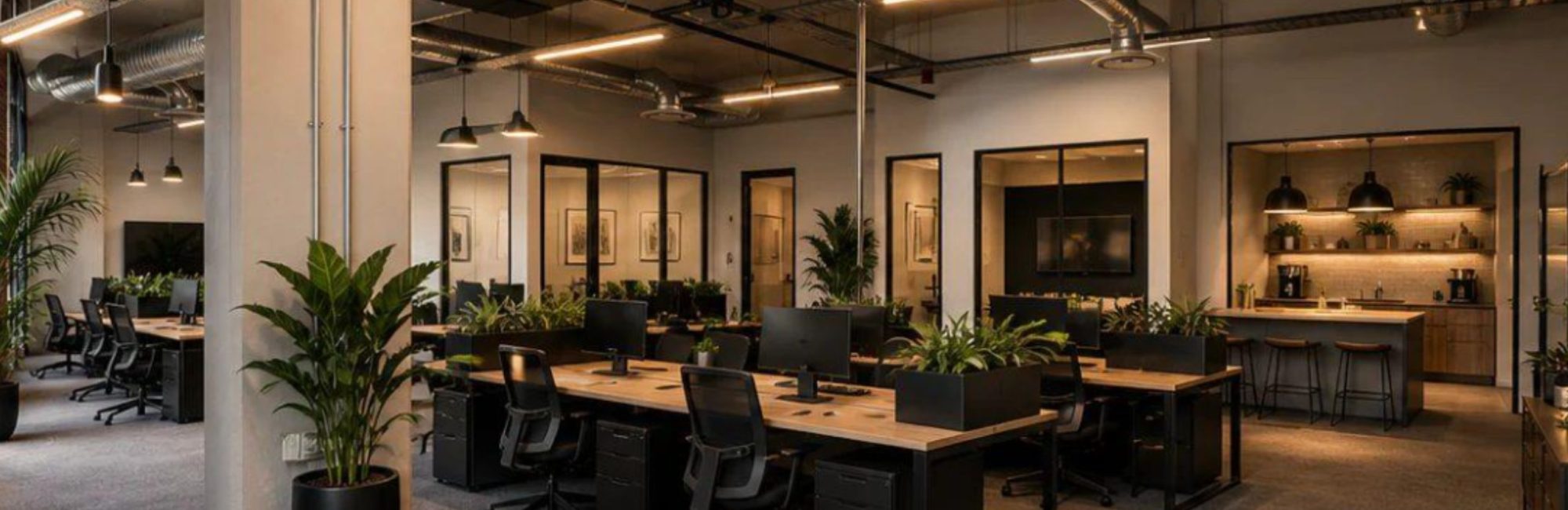
When a potential client walks into your office, they begin forming an opinion about your business long before a single word is spoken. The reception area, lighting, materials, layout, and overall atmosphere all contribute to an immediate impression of your company’s professionalism, stability, and credibility. In competitive business environments such as Johannesburg, Sandton, and other Gauteng commercial hubs, this first impression can influence whether a deal moves forward or quietly fades away. Office design is no longer just about aesthetics or functionality. It has become a direct extension of brand identity.
A well-designed workplace communicates who you are as a business. It reflects your values, your attention to detail, and the standard of work clients can expect from you. On the other hand, an outdated or poorly considered office can unintentionally weaken trust, even if the business itself delivers exceptional services. This is why modern organisations are increasingly investing in office design as a strategic tool for shaping perception, strengthening brand identity, and creating memorable client experiences.
First Impressions Begin Before the Meeting Starts
The moment a client enters your office, they are already evaluating your business. Before they meet your team or review your proposal, they are subconsciously assessing:
- How organised the business appears
- Whether the environment feels professional
- If the company reflects modern standards
- Whether they feel confident doing business with you
First impressions are formed within seconds, and office design plays a central role in shaping them. A cluttered, outdated, or poorly lit reception area can create doubt, even if your service delivery is strong. In contrast, a well-designed entrance space immediately communicates competence, structure, and credibility.
This is why reception design is one of the most important elements of workplace branding.
Reception Design as a Brand Statement
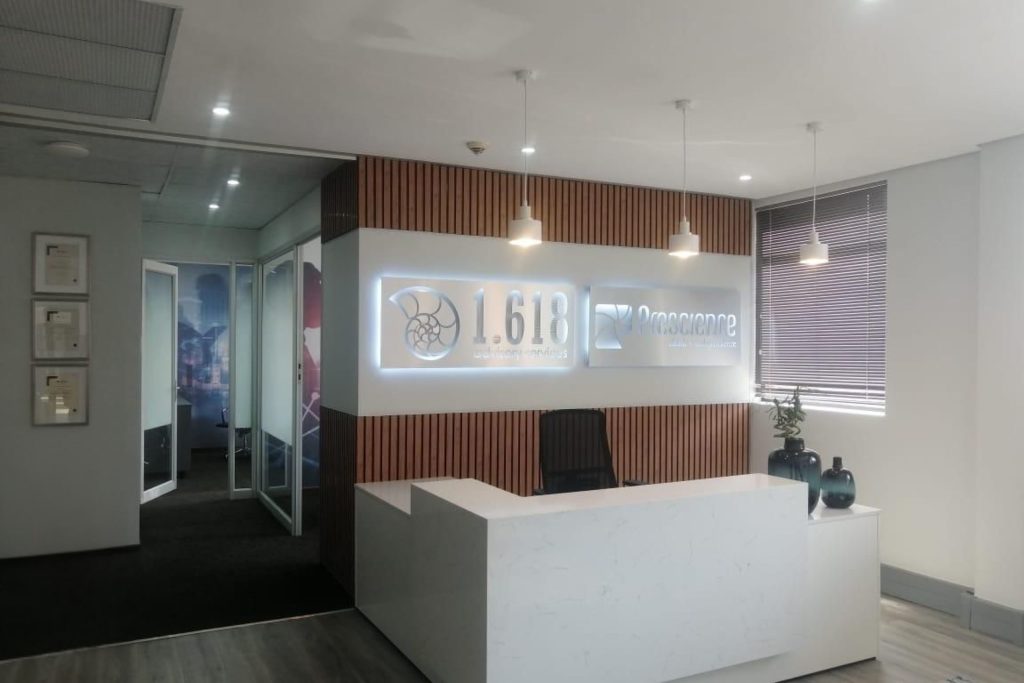
The reception area is the physical introduction to your brand. It is not just a waiting space. It is a strategic communication tool. Modern corporate office design in Johannesburg is increasingly focused on creating reception areas that feel intentional, welcoming, and aligned with brand identity.
Key design elements include:
- Feature lighting that highlights architectural details
- Clean, minimal reception counters
- Subtle brand integration rather than heavy branding
- Comfortable seating that reflects company culture
At Tridyum, reception design is approached as a brand storytelling opportunity. It sets the tone for everything that follows within the workplace experience.
Colour Psychology and Emotional Perception
Colour has a powerful psychological impact on how people perceive a space and, by extension, a business. Different colour palettes communicate different brand attributes:
- Deep blues and greys often suggest stability and professionalism
- Earth tones communicate warmth and approachability
- Black and monochrome palettes suggest sophistication and precision
- Accent colours can highlight creativity and innovation
In South African corporate environments, businesses are moving away from overly sterile white offices and towards more layered, intentional colour schemes. When applied correctly, colour supports brand identity without overwhelming the space. It subtly reinforces how a company wants to be perceived.
Brand Storytelling Through Interior Designt
Office design is one of the most effective ways to tell your brand story without words. Every material, surface, and spatial decision contributes to this narrative.
For example:
- A law firm may choose structured layouts, dark timber finishes, and muted tones to communicate authority and trust.
- A creative agency may use open layouts, bold textures, and expressive materials to reflect innovation and energy.
The key is consistency. When design choices align with brand values, the office becomes a physical representation of the business identity. This alignment helps clients understand not only what you do, but how you do it.
Material Selection and Perceived Value
Materials play a critical role in shaping perception. Clients may not consciously analyse finishes, but they do register quality, texture, and attention to detail. Common premium design elements in modern office interiors include:
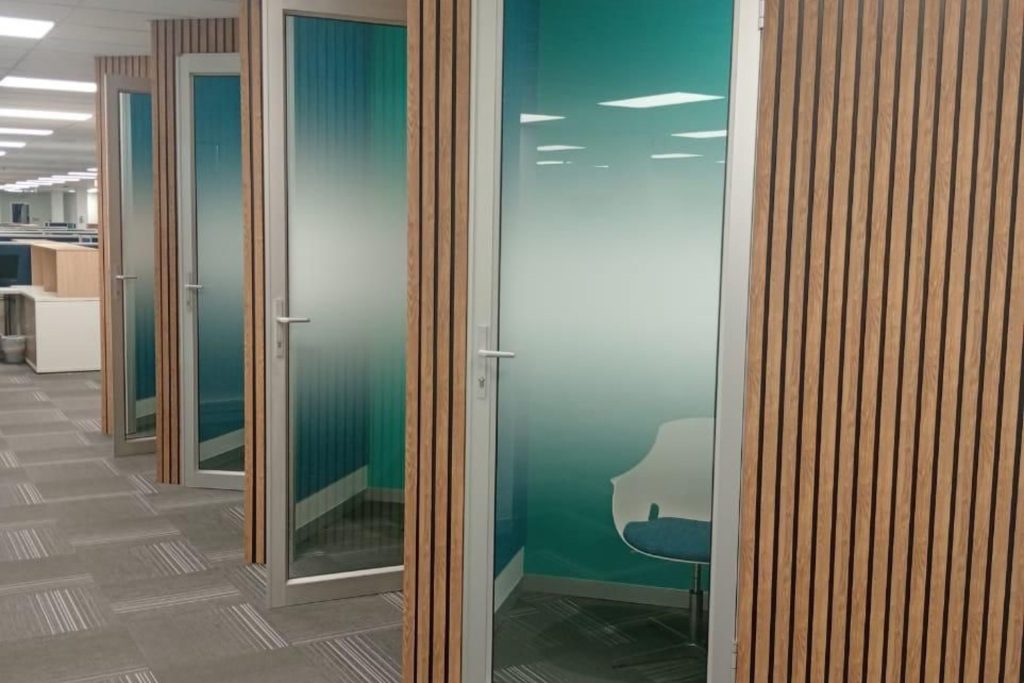
- Timber slat walls that add warmth and texture
- Fluted glass partitions that balance privacy and transparency
- Feature lighting that creates depth and focus
- Acoustic wall panels that combine function with design
- Matte black detailing for a modern, refined finish
These materials contribute to a sense of professionalism and permanence. They signal that the business is established, detail-oriented, and invested in quality. In contrast, outdated or mismatched finishes can unintentionally suggest neglect or lack of attention.
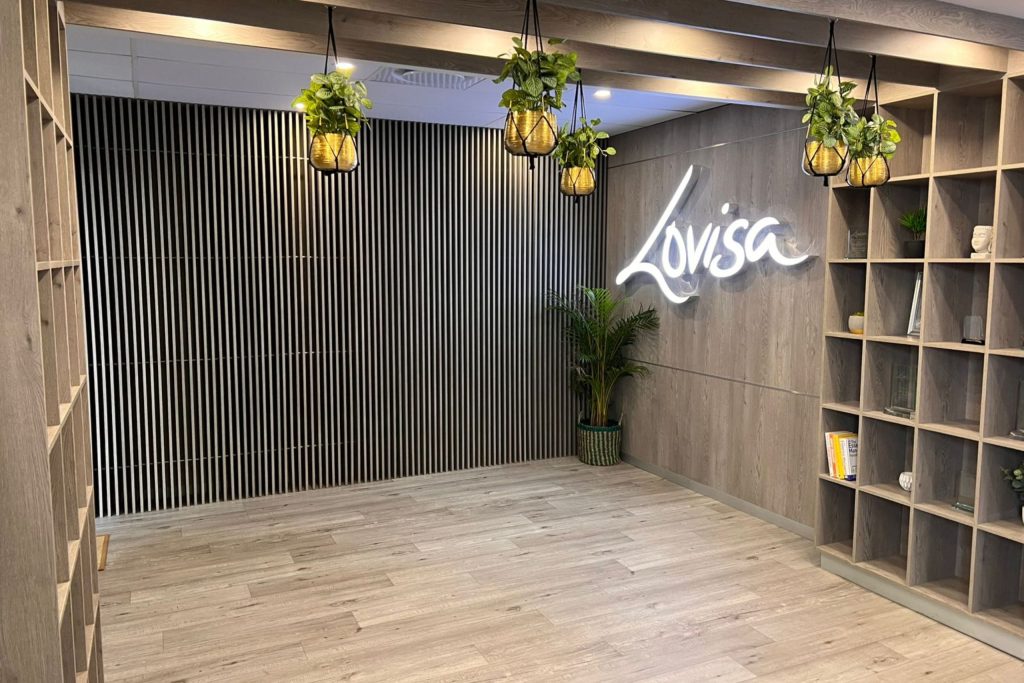
Signage Integration Without Overpowering the Space
Branding in office design should feel integrated, not imposed. Overly bold or repetitive branding can make a space feel more like a sales environment than a professional workplace. Instead, effective workplace branding uses subtle integration:
- Embossed logos on reception walls
- Minimalist directional signage
- Consistent typography across spaces
- Branded colour accents within furniture or partitions
The goal is to reinforce identity without distracting from the overall experience of the space. When done correctly, signage becomes part of the architecture rather than an add-on.
Meeting Room Design and Client Confidence
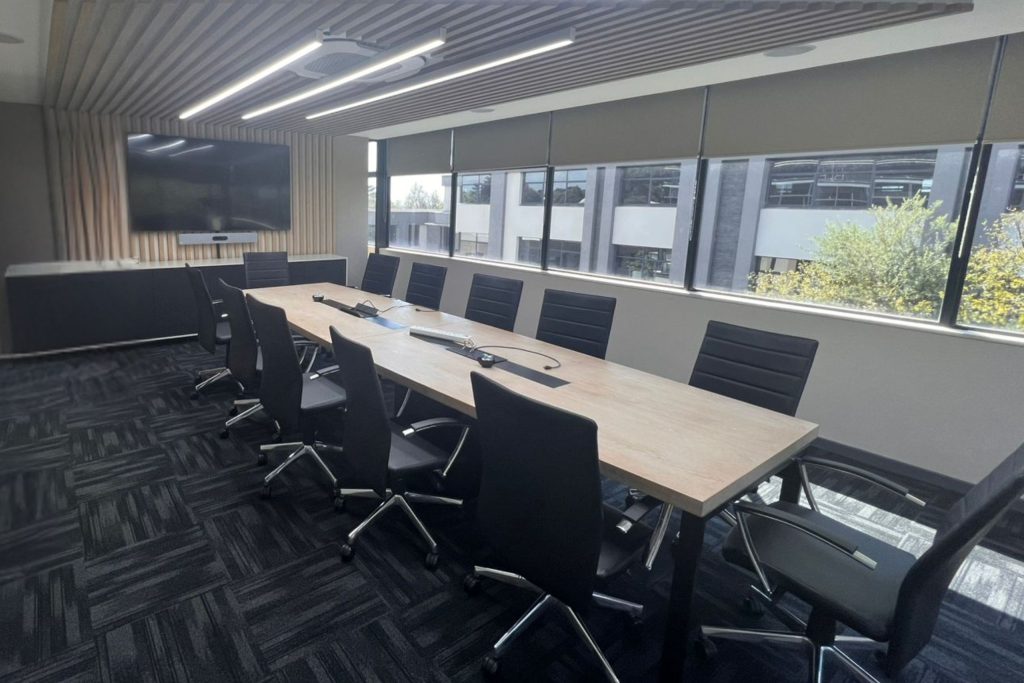
Meeting rooms are where key business decisions happen. As such, they play a crucial role in shaping client confidence. A well-designed meeting space communicates preparedness, professionalism, and capability.
Key considerations include:
- Comfortable yet structured seating arrangements
- Acoustic control to ensure privacy
- Integrated technology for seamless presentations
- Balanced lighting for focus and comfort
- Subtle branding elements that reinforce identity
In many cases, clients will judge the quality of your business based on the quality of your meeting environment. A thoughtfully designed meeting room supports stronger communication and more confident decision-making.
The Role of Office Design in Client Trust
Trust is not built through visuals alone, but design plays a significant supporting role. A well-designed office creates an environment where clients feel:
- Confident in your professionalism
- Comfortable in discussions
- Reassured by your attention to detail
- Aligned with your level of quality
In competitive markets such as Johannesburg and Sandton, where multiple businesses may offer similar services, perception can become a deciding factor. Office design therefore becomes a strategic business tool, not just an interior consideration.
Why Brand-Aligned Office Design Matters for Growth
As businesses grow, their brand identity evolves. However, many workplaces do not evolve at the same pace. This creates a disconnect between what a company represents externally and what clients experience internally. Aligning office design with brand identity ensures consistency across:
- Client experience
- Employee environment
- Market positioning
- Business credibility
This alignment supports long-term growth by reinforcing trust and professionalism at every touchpoint. At Tridyum, Office Design is approached as a strategic process that connects brand identity with functional workplace environments.
Frequently Asked Questions About Office Design and Brand Identity
How does office design affect brand identity?
Office design communicates your company’s values, professionalism, and culture through materials, layout, colour, and spatial experience. It is a physical representation of your brand.
Why is reception design so important?
The reception area is the first physical interaction a client has with your business. It sets the tone for trust, professionalism, and overall brand perception.
What materials are best for corporate office design?
Popular materials include timber slat walls, fluted glass, acoustic panels, matte black finishes, and natural textures that balance professionalism with modern design.
Can office design influence client decisions?
Yes. While not the only factor, office design strongly influences first impressions, trust levels, and perceived business credibility.
How do you integrate branding into an office without overdoing it?
Effective workplace branding uses subtle integration such as colour accents, signage, material choices, and architectural details rather than large or overwhelming logos.
Designing Workplaces That Reflect Who You Are
Your office is more than a place of work. It is a physical expression of your brand. Every design decision, from reception layout to meeting room finishes, contributes to how clients perceive your business and how confident they feel working with you.
In competitive South African markets, where trust and professionalism are key differentiators, office design becomes a strategic advantage. Tridyum combines Office Design expertise with Workplace Strategy and Space Planning to create environments that not only function well but also communicate the right message to every client who walks through the door.
Ready to align your office with your brand identity? Contact Tridyum to transform your workspace into a powerful reflection of your business.