
Many business owners use the terms office fit out and office renovation interchangeably. While both involve improving a workplace, they are not the same thing. Understanding the difference can help businesses budget more accurately, plan realistic timelines, and choose the right solution for their needs.
This distinction becomes particularly important when relocating to a new office, expanding operations, renewing a lease, or modernising an outdated workspace. Choosing the wrong approach can result in unnecessary costs, project delays, and missed opportunities to improve how employees work.
Across Gauteng and the rest of South Africa, organisations are increasingly reassessing their workplaces to support hybrid work, attract talent, strengthen company culture, and improve operational efficiency. Whether you’re moving into a new premises or transforming an existing one, knowing whether you require an office fit out or an office renovation is the first step towards a successful project.
What Is an Office Fit Out?
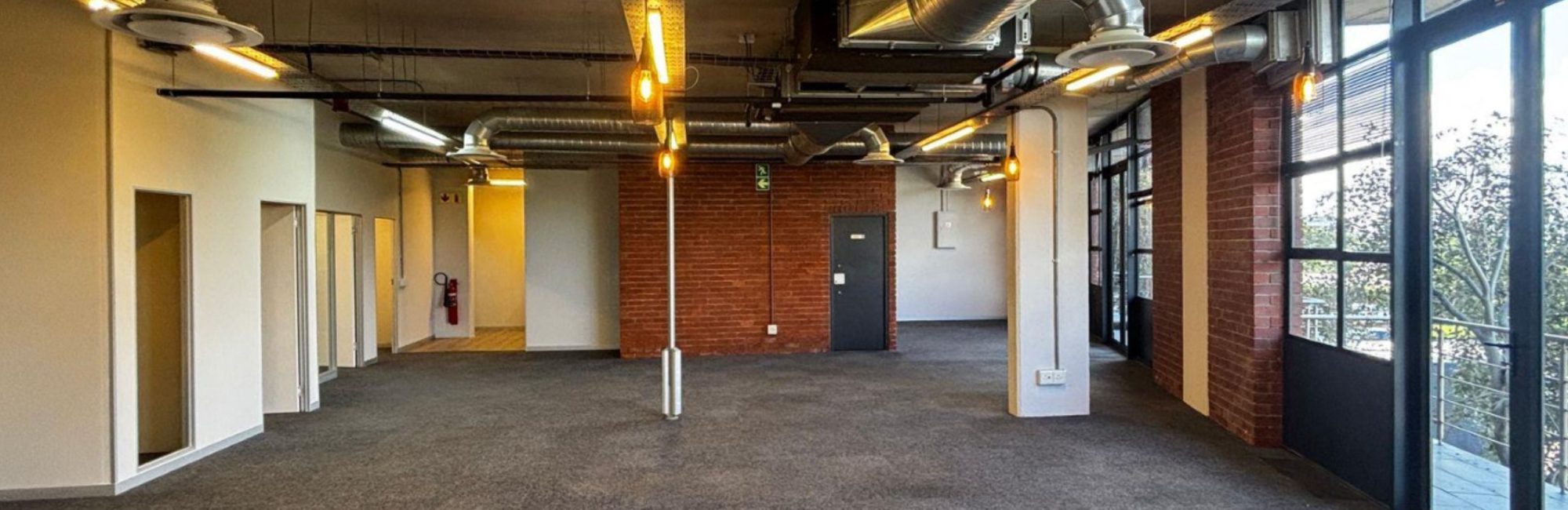
An office fit out refers to transforming an empty or partially completed commercial space into a functional workplace.
In many cases, landlords provide a space in a basic condition. While the building may have essential services such as lighting, air conditioning, and electrical infrastructure, the interior often lacks the elements required for day-to-day business operations.
A fit out creates the workplace from the ground up. This may include:
- Space planning and workplace strategy
- Partitioning and meeting rooms
- Flooring installation
- Ceiling modifications
- Lighting upgrades
- Furniture procurement
- Reception areas
- Collaboration spaces
- Branding elements
- Technology integration
The goal is to convert a vacant shell into an office that supports the business’s operational requirements and reflects its brand identity.
Office fit outs are most common when businesses relocate into new premises or occupy newly developed commercial buildings.
What Is an Office Renovation?
An office renovation involves improving, upgrading, or reconfiguring an existing workplace.
Unlike a fit out, the office is already occupied or operational. The focus is typically on modernisation, improving functionality, accommodating growth, or enhancing the employee experience.
Renovations can vary significantly in scale. Some projects involve cosmetic updates such as replacing flooring, repainting walls, upgrading furniture, or introducing new finishes. Others may include significant layout changes, demolition, construction work, and infrastructure upgrades.
Businesses often undertake renovations when:
- The office feels outdated
- Teams have grown
- Workstyles have changed
- Employee collaboration is limited
- Brand identity has evolved
- Hybrid working requires different spaces
A renovation seeks to improve what already exists rather than creating a workplace from scratch.
The Key Differences Between a Fit Out and a Renovation
Although both services improve workplaces, their objectives are fundamentally different.
A fit out begins with a largely empty space and focuses on creating a functional office environment. The project starts with workplace strategy and space planning before progressing into construction and furnishing.
A renovation starts with an existing office. The objective is to improve, modernise, or reconfigure the current workplace without necessarily rebuilding everything from the beginning.
Another important difference is project complexity. Fit outs often provide greater design flexibility because there are fewer existing constraints. Renovations require careful consideration of existing infrastructure, occupied workspaces, and operational continuity.
Understanding these distinctions helps businesses make informed decisions about budgets, timelines, and project scope.
How Workplace Strategy Influences Both Approaches
One of the biggest mistakes organisations make is focusing on finishes and furniture before understanding how their teams actually work.
Whether undertaking a fit out or renovation, workplace strategy should guide every decision.
A workplace strategy process examines factors such as:
- Team structures
- Collaboration requirements
- Hybrid work policies
- Client interaction needs
- Future growth plans
- Technology requirements
Without this foundation, businesses risk investing in spaces that look impressive but fail to support productivity and operational goals.
At Tridyum, workplace strategy often forms the starting point of both fit out and renovation projects because successful workplaces are built around people, not simply floor plans.
SUCCESSFUL WORKPLACES START WITH A CLEAR WORKPLACE STRATEGY
Current Office Design Trends Influencing Workplace Projects
Whether planning a fit out or renovation, South African businesses are increasingly looking beyond traditional corporate design.
Today’s workplaces prioritise flexibility, comfort, and employee experience.
One noticeable trend is the move towards hospitality-inspired environments. Rather than sterile offices filled with rows of desks, businesses are creating welcoming spaces that encourage collaboration and informal interaction.
Natural materials continue to gain popularity. Timber finishes, textured wall surfaces, and biophilic design elements help create warmer, more engaging environments.
Acoustic solutions are also becoming essential. As open-plan offices remain common, businesses are investing in acoustic wall panels, ceiling treatments, and furniture solutions that improve concentration and reduce noise distractions.
Flexible meeting spaces are replacing large boardrooms that often sit empty. Organisations are choosing adaptable environments that can accommodate different types of work throughout the day.
These trends are influencing both renovations and fit outs across Gauteng as businesses seek to create workplaces that support modern workstyles.
SEE HOW LEADING BUSINESSES ARE DESIGNING WORKPLACES PEOPLE WANT TO RETURN TO
Flooring Choices That Can Transform an Office
Flooring is often underestimated, yet it plays a significant role in both aesthetics and functionality.
Traditional commercial carpeting remains popular in certain environments, particularly where acoustics are important. However, many businesses are exploring alternative options.
Luxury vinyl flooring has become increasingly common due to its durability, low maintenance requirements, and wide range of finishes. Many products successfully replicate timber, concrete, or stone while offering practical benefits for commercial environments.
Polished concrete continues to feature in contemporary workplace designs, particularly for creative businesses seeking an industrial aesthetic.
Carpet tiles remain a strong option because damaged sections can be replaced individually, reducing long-term maintenance costs.
The right flooring choice should balance aesthetics, durability, acoustics, maintenance requirements, and budget considerations.
How Brand Identity Should Influence Your Workplace
An office is often one of the most powerful physical representations of a business.
Clients, employees, partners, and prospective recruits all form impressions based on the workplace environment. For this reason, brand identity should play an important role in both fit out and renovation projects.
This does not mean covering every wall in company colours. Effective workplace branding is more subtle and sophisticated.
Brand identity can be expressed through:
- Material selections
- Colour palettes
- Furniture styles
- Reception design
- Signage integration
- Lighting choices
- Spatial experiences
The most successful workplaces create a consistent experience that reflects the organisation’s values, culture, and positioning.
A thoughtfully designed office can reinforce credibility, support employee engagement, and strengthen brand perception.
GOOD OFFICE DESIGN SHOULD SUPPORT BOTH PEOPLE AND PERFORMANCE
Why Project Management Matters More Than Most Businesses Realise
One of the biggest differences between a stressful workplace project and a successful one is effective project management.
Office projects involve numerous moving parts, including designers, contractors, suppliers, landlords, building management teams, technology providers, and furniture manufacturers.
Without clear coordination, delays and budget overruns become far more likely.
Professional project management ensures that timelines, budgets, approvals, procurement, and construction activities remain aligned throughout the process.
For businesses, this reduces risk and allows internal teams to remain focused on their core operations rather than managing multiple suppliers.
A turnkey project management approach provides a single point of accountability, simplifying communication and improving project outcomes.
Which Option Is Right for Your Business?
The answer depends on your current circumstances.
If you are moving into a new office or occupying an undeveloped commercial space, a fit out is likely the appropriate solution.
If your existing office no longer supports your business, a renovation may deliver the improvements you need without relocating.
The most effective approach starts with understanding how your workplace should function before making design decisions. Once operational requirements are clear, businesses can determine whether a fit out, renovation, or combination of both services will best support their goals.
Frequently Asked Questions About Office Fit Outs and Renovations
What is the main difference between an office fit out and an office renovation?
A fit out transforms an empty commercial space into a fully functional workplace. A renovation improves or reconfigures an existing office that is already operational.
Is an office fit out more expensive than a renovation?
Not necessarily. Costs depend on project scope, infrastructure requirements, finishes, furniture, and technology. Some extensive renovations may cost more than smaller fit out projects.
Can office renovations be completed while employees are working?
Yes, many renovations are completed in phases to minimise disruption. Careful planning and project management help maintain business continuity throughout the process.
How long does an office fit out take?
Timelines vary depending on project size and complexity. Smaller fit outs may take several weeks, while larger commercial projects can take several months.
Why is workplace strategy important before starting a project?
Workplace strategy helps ensure the office supports business goals, employee needs, and future growth. It reduces the risk of costly design decisions that fail to deliver long-term value.
Planning the Right Workplace Project Starts with the Right Advice
Office fit outs and office renovations may share certain similarities, but they serve different purposes. Understanding which approach is right for your business can save time, reduce costs, and help create a workplace that supports long-term success.
Whether you’re relocating to a new premises, upgrading an outdated office, or preparing for future growth, the most successful projects begin with a clear strategy and experienced project leadership.
Tridyum combines workplace strategy, office renovations, project management, and commercial interior expertise to help businesses create workplaces that are both functional and future-ready.
Planning a workplace project? Contact Tridyum to discuss your office fit out or renovation requirements and discover the best solution for your business.