
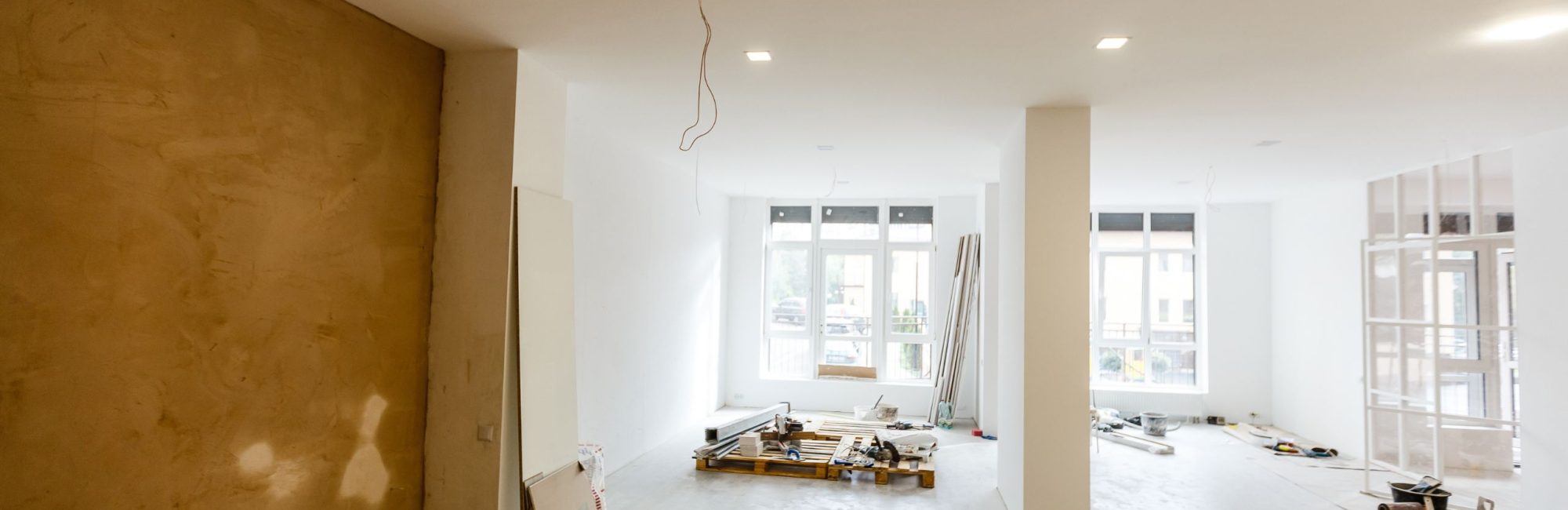
Delivering a successful commercial interior requires more than good design. It requires coordination, control, and a clear understanding of how each stage of a project connects to the next. For many businesses, the fit-out process can feel complex, with multiple stakeholders, shifting timelines, and budgets that are difficult to manage.
The approach taken at the beginning of a project has a significant impact on the final outcome. Whether a business chooses a traditional fit-out route or a turnkey solution determines how efficiently the project is delivered, how risks are managed, and how aligned the final space is with the original vision.
Understanding the difference between these two approaches is essential for making informed decisions that protect both investment and outcome.
Understanding the Traditional Fit-Out Approach
The traditional fit-out model separates the design and construction process into distinct phases, often handled by different parties. A business may appoint a designer or architect to develop the concept and technical drawings. Once this phase is complete, contractors are invited to tender and execute the build based on the provided documentation.
While this approach can work, it introduces a level of fragmentation that can create challenges throughout the project lifecycle. Communication between designers, contractors, and suppliers is not always seamless. Each party operates within their own scope, which can lead to gaps in understanding or misalignment in execution.
When issues arise during construction, they often require revisiting the design phase. This can result in delays, additional costs, and adjustments that move away from the original intent. The client is frequently required to manage these interactions, acting as the link between multiple stakeholders.
The traditional model places a significant coordination burden on the client, requiring time, experience, and resources to manage effectively.
The Turnkey Office Fit-Out Approach
A turnkey office fit out in South Africa offers a more integrated solution. Design, planning, procurement, and construction are managed under a single contract, with one team responsible for the entire process.
This approach simplifies project delivery by creating a single point of responsibility. The same team that develops the design is involved in its execution, ensuring continuity and alignment from concept through to completion.
Communication is streamlined, and decisions can be made more efficiently. Challenges are addressed within the team rather than being passed between separate parties. This results in a more cohesive process and a stronger connection between vision and outcome.
Turnkey solutions are often referred to as design and build office solutions because they combine creative and technical expertise within one structure. This integration is key to delivering projects that are both functional and aligned with client expectations.
Coordination and Project Efficiency
One of the most significant differences between the two approaches lies in coordination.
In a traditional fit-out, coordination happens across multiple teams. Designers, contractors, engineers, and suppliers must align independently, often leading to communication gaps. Each handover introduces the potential for misinterpretation or delay.
In a turnkey model, coordination is centralised. All disciplines work within a unified framework, allowing for better communication and faster decision-making. The project progresses with a clear understanding of priorities, timelines, and responsibilities.
This level of coordination improves efficiency and reduces the likelihood of errors. It ensures that the project moves forward without unnecessary interruptions or rework.
Cost Control and Budget Transparency
Managing costs is a critical concern for any commercial fit-out. The approach taken can significantly influence how predictable and controlled the budget remains.
Traditional fit-outs often begin with a design that is later priced by contractors. If costs exceed expectations, the design may need to be revised, leading to delays and additional professional fees. This cycle can repeat multiple times before a final budget is agreed upon.
In contrast, turnkey office fit out projects integrate cost considerations from the outset. Design decisions are made with a clear understanding of budget constraints, reducing the need for significant revisions later in the process.
This approach provides greater cost transparency and allows clients to make informed decisions early on. It also reduces the risk of unexpected expenses during construction, as the team is aligned on both design intent and financial parameters.
Timelines and Project Delivery
Time is a valuable resource in any business environment. Delays in project delivery can impact operations, revenue, and overall planning.
Traditional fit-outs often follow a linear process, where each phase must be completed before the next begins. Design is finalised before construction starts, and any changes during the build phase can cause delays.
Turnkey solutions allow for a more integrated timeline. Overlapping phases and continuous communication enable faster progress. Design development, procurement, and construction can be aligned to reduce downtime and improve efficiency.
This streamlined approach shortens project timelines and ensures that deadlines are more consistently met. It also provides clients with greater certainty around completion dates.
Accountability and Risk Management
Accountability is a key factor in the success of any project. When multiple parties are involved, it can be difficult to determine responsibility when issues arise.
In a traditional fit-out, responsibility is often divided between designers and contractors. Disputes can occur if the design is difficult to execute or if construction does not align with the drawings. Resolving these issues can take time and may require additional resources.
A turnkey approach eliminates this fragmentation by establishing a single point of accountability. The same team is responsible for both design and execution, reducing the likelihood of disputes and simplifying problem resolution.
Risk is managed more effectively because the team has full visibility of the project from start to finish. Potential challenges can be identified and addressed early, preventing escalation during construction.
Quality and Design Integrity
Maintaining design integrity throughout the construction process is essential for achieving the desired outcome.
In traditional models, the separation between design and construction can lead to compromises. Contractors may interpret drawings differently or make adjustments based on practical constraints, which can alter the final result.
Turnkey commercial fit out services ensure that the design intent is preserved. The team responsible for the concept remains involved throughout the build phase, ensuring that details are executed as planned.
This continuity results in a higher level of quality and a finished space that reflects the original vision. It also allows for better control over materials, finishes, and detailing.
Client Experience and Involvement
The level of client involvement required varies significantly between the two approaches.
Traditional fit-outs often require clients to manage multiple relationships, coordinate communication, and make decisions across different stages of the project. This can be time-consuming and challenging, particularly for businesses without dedicated project management resources.
Turnkey solutions simplify the client experience by providing a single point of contact. Communication is streamlined, and updates are clear and consistent. Clients can focus on key decisions while the project team manages the details.
This approach reduces stress and allows for a more focused and efficient decision-making process.
Aligning the Fit-Out Approach with Business Goals
Choosing between a traditional and turnkey approach depends on the specific needs and capabilities of the business. However, organisations that prioritise efficiency, cost control, and quality often benefit from an integrated model.
Turnkey office fit out in South Africa aligns with modern business expectations. It reflects a preference for streamlined processes, clear accountability, and predictable outcomes.
By adopting a design and build approach, businesses can ensure that their workspace is delivered in a way that supports both operational requirements and long-term strategy.
A More Integrated Way Forward
The complexity of commercial fit-outs continues to increase as workplaces evolve. Businesses require spaces that are flexible, high-performing, and aligned with their identity. Delivering these environments requires more than isolated expertise. It requires integration.
Turnkey solutions provide a cohesive framework that brings together design, planning, and construction. This approach reduces risk, improves efficiency, and ensures that the final space meets both functional and aesthetic expectations.
For organisations looking to invest in their workplace, understanding the difference between traditional and turnkey fit-outs is an important step. The right approach not only influences the success of the project but also the long-term value of the space.